
Key Takeaways
- Regular exercise supports physical and mental health after 40
- Specialized labs offer personalized, science-backed fitness solutions
- Consistency and proper form matter more than intensity
- Community support enhances long-term wellness success
The Importance of Exercise for Women Over 40
As women age past 40, exercise becomes a cornerstone of maintaining health, addressing challenges like hormonal shifts, muscle loss, and stress. A women’s health and exercise lab offers tailored programs to help navigate these changes. According to the Centers for Disease Control and Prevention (CDC), regular physical activity reduces risks of chronic diseases such as heart disease and diabetes while supporting mental well-being. For women in this stage of life, staying active is not just about fitness—it’s about empowering a vibrant, independent lifestyle.
Hormonal Changes and Physical Health
Between perimenopause and menopause, estrogen levels decline, increasing risks of osteoporosis, weight gain, and cardiovascular issues. Research from the North American Menopause Society (NAMS) highlights that weight-bearing and resistance exercises can counteract these effects by preserving bone density and muscle mass. A women’s health and exercise lab integrates these strategies, offering routines that target areas affected by hormonal fluctuations, such as core stability and pelvic floor strength, which are critical for overall physical resilience.
Building Strength for Long-Term Mobility
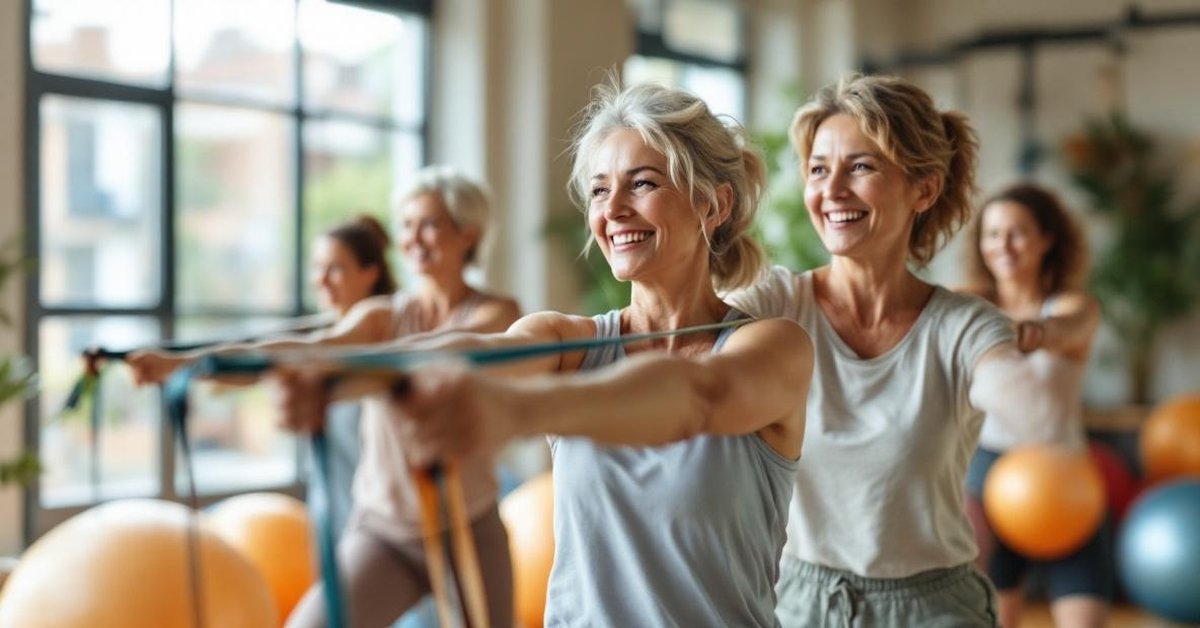
Age-related sarcopenia, or muscle loss, accelerates after 40, diminishing mobility and independence. A study in the *Journal of Aging and Physical Activity* found that strength training two to three times weekly can increase muscle mass and improve balance. Labs specializing in women’s health incorporate progressive resistance training, using bands, free weights, or bodyweight exercises to enhance functional strength. This focus helps women maintain everyday capabilities—from lifting groceries to climbing stairs—ensuring long-term autonomy.
Mental Wellness Through Movement
The connection between exercise and mental health is well-documented. The American Psychological Association (APA) notes that physical activity reduces symptoms of anxiety and depression by releasing endorphins and improving sleep. Women over 40 often face stressors related to caregiving, career shifts, or hormonal changes. Labs address this through mindful movement classes like yoga and tai chi, which combine physical exertion with stress reduction. These practices foster resilience, helping women navigate emotional challenges while building physical endurance.
Key Components of a Women’s Health and Exercise Lab
Women’s health and exercise labs differentiate themselves through specialized resources designed for age-specific needs. Unlike generic gyms, they offer science-backed programs that align with the physiological and psychological demands of midlife and beyond. Here’s what makes these facilities uniquely effective:
Personalized Fitness Assessments
Every woman’s body is distinct, shaped by genetics, lifestyle, and health history. Labs begin with comprehensive assessments—measuring strength, flexibility, cardiovascular health, and balance—to create individualized plans. For instance, a woman recovering from injury might receive a low-impact routine, while another aiming to build endurance could focus on interval training. This tailored approach ensures safety and maximizes results, making fitness accessible for all experience levels.
Specialized Equipment for All Fitness Levels
Equipment in these labs prioritizes adaptability. Features like seated resistance machines, adjustable resistance bands, and balance trainers cater to varying abilities. For women with joint concerns, elliptical trainers or aqua aerobics provide low-impact alternatives. Accessibility is key: platforms with non-slip surfaces, adjustable benches, and ergonomic handles reduce injury risks, ensuring comfort for beginners and seasoned exercisers alike.
Expert Guidance from Certified Trainers
Trainers in these labs hold certifications in areas like senior fitness, pre/postnatal care, or chronic disease management. Their expertise helps women navigate conditions such as osteoporosis or arthritis. For example, a trainer might adjust a client’s form during squats to protect knee joints or recommend pelvic floor exercises post-menopause. This level of support fosters confidence, ensuring exercises are performed safely and effectively.
Overcoming Common Barriers to Physical Activity After 40
Despite the benefits, women over 40 often face hurdles to regular exercise. Time scarcity, physical discomfort, and lack of motivation top the list. A women’s health and exercise lab equips members to overcome these challenges through practical solutions.
Managing Time Constraints
Busy schedules—balancing careers, family, and personal commitments—can derail fitness goals. Labs address this by offering flexible options: 30-minute high-intensity interval training (HIIT) sessions for efficiency, or online classes for at-home workouts. Some facilities provide childcare services or early-morning/evening hours to accommodate varying routines. Small-group training also blends social interaction with accountability, maximizing time without sacrificing results.
Addressing Joint Pain and Fatigue
Arthritis, stiffness, and post-workday exhaustion are common deterrents. Labs mitigate these issues by integrating mobility drills (e.g., foam rolling) and restorative yoga to ease joint tension. Trainers emphasize proper warm-ups and cooldowns to prevent injuries. For fatigue-prone individuals, morning workouts may be advised to capitalize on peak energy levels. Additionally, facilities often collaborate with physical therapists to design arthritis-friendly routines.
Staying Motivated with Group Support
Motivation thrives in community settings. Labs foster this through group classes, peer challenges (e.g., step-count competitions), and success-sharing sessions. A study in *BMC Public Health* found that group exercise improves adherence rates by 50% compared to solo workouts. Women also benefit from mentorship within these communities, forming connections that turn fitness into a sustainable, enjoyable habit rather than a chore.
Success Stories: Transformations Through Targeted Exercise Programs
Real-world examples illustrate the impact of women’s health and exercise labs. Take Maria, 47, who regained strength after years of sedentary work by following a lab’s resistance training plan. Or Susan, 55, who improved sleep and balance through tai chi. These stories underscore the adaptability of lab programs to diverse goals.
Real Women, Real Results
Participants often report outcomes beyond physical improvements—like renewed confidence. At a Midwestern wellness lab, 80% of women over 40 said they felt “more empowered” after six months of membership, citing reduced joint pain and better posture. Another member, a breast cancer survivor, credited the lab’s tailored rehab program for restoring her energy and range of motion, highlighting the role of these spaces in post-treatment recovery.
Tracking Progress Beyond the Scale
Lab programs emphasize non-scale victories: improved grip strength, increased walking speed, or mastering a yoga pose. Digital apps linked to lab memberships help track metrics like heart rate variability or minutes of daily movement, offering a holistic view of progress. This approach aligns with research showing that focusing on functional gains boosts long-term commitment compared to weight-centric goals.
Creating Sustainable Lifestyle Changes
The ultimate aim of these labs is to cultivate lifelong habits. By teaching nutrition basics alongside exercise, labs promote a whole-person approach. One facility’s survey found that 70% of members adopted healthier eating patterns after attending nutrition workshops, demonstrating how integrated support drives comprehensive wellness.
FAQ Section
What is a women’s health and exercise lab?
A women’s health and exercise lab is a specialized facility designed to address the unique fitness and wellness needs of women, particularly focusing on age-related changes and holistic health goals. These labs combine evidence-based programming with expert coaching to support physical and mental resilience.
How can exercise labs benefit women over 40?
Exercise labs offer tailored programs that may help improve strength, flexibility, and cardiovascular health while addressing concerns like menopause and bone density loss. Programs often integrate balance training to reduce fall risks, a key concern for aging women, though consulting a healthcare provider is essential before starting.
Are these labs suitable for beginners?
Yes, most labs provide low-impact options and professional guidance, making them ideal for women new to exercise or returning after a break. Instructors modify exercises to suit individual needs, ensuring safety and gradual progression.
What types of workouts are typically offered?
Programs often include strength training, balance exercises, yoga, and group classes designed specifically for women’s health needs at various life stages. Some labs also offer prenatal/postnatal fitness options and mindfulness sessions to address stress management.
Key Takeaways
Regular exercise supports physical and mental health after 40, enhancing energy levels and longevity. Specialized labs offer personalized, science-backed fitness solutions, ensuring programs align with individual goals and limitations. Consistency and proper form matter more than intensity, reducing injury risks. Lastly, community support within these labs enhances long-term wellness success, turning fitness into a sustainable, enjoyable journey.
Frequently Asked Questions
What is a women’s health and exercise lab?
A women’s health and exercise lab is a specialized facility designed to address the unique fitness and wellness needs of women, particularly focusing on age-related changes and holistic health goals.
How can exercise labs benefit women over 40?
Exercise labs offer tailored programs that may help improve strength, flexibility, and cardiovascular health while addressing concerns like menopause and bone density loss. Consult your doctor before starting any program.
Are these labs suitable for beginners?
Yes, most labs provide low-impact options and professional guidance, making them ideal for women new to exercise or returning after a break.
What types of workouts are typically offered?
Programs often include strength training, balance exercises, yoga, and group classes designed specifically for women’s health needs at various life stages.
Disclaimer: This article is for informational purposes only and does not constitute medical advice. Always consult a qualified healthcare provider before making changes to your health regimen.