
Key Takeaways
- Lifestyle changes like weight loss and avoiding alcohol may reduce symptoms.
- Adjusting sleep positions can improve airflow during rest.
- Non-invasive devices and natural remedies offer supportive options.
- Always consult a healthcare provider for personalized care plans.
Understanding Sleep Apnea and Home Remedies
sleep apnea is a common sleep disorder characterized by pauses in breathing or shallow breaths during sleep, often leading to disrupted rest and reduced oxygen levels. For adults over 40, who are at higher risk due to age-related changes in muscle tone and weight distribution, addressing symptoms at home can complement medical treatment. While continuous positive airway pressure (CPAP) machines are a gold standard, research suggests that lifestyle modifications, positional therapy, and natural remedies may alleviate mild-to-moderate symptoms. The American Sleep Apnea Association notes that non-invasive approaches can improve sleep quality and reduce complications like daytime fatigue. Always consult a healthcare provider before starting home remedies to ensure safety and efficacy.
Lifestyle Changes to Alleviate Symptoms
Weight Management and Its Impact
Excess weight, particularly around the neck, can narrow airways and increase apnea severity. A 2020 study in Obesity Reviews found that losing 5–10% of body weight may reduce apnea episodes by up to 50% in overweight individuals. adults 40+ should focus on gradual, sustainable weight loss through a balanced diet rich in vegetables, lean proteins, and whole grains, paired with portion control. Muscle mass naturally declines with age, so incorporating strength training alongside cardio can optimize results. Monitor progress with a healthcare provider to adjust strategies safely.
Avoiding Alcohol and Sedatives
Alcohol and sedatives relax throat muscles, worsening obstructive sleep apnea (OSA). The Sleep Foundation advises avoiding alcohol at least four hours before bedtime, as even moderate consumption can increase snoring and apnea episodes. Sedatives like benzodiazepines have similar effects—research in Sleep Medicine Reviews links their use to a 30% higher risk of severe OSA. Discuss alternatives with a doctor if medications are necessary, and consider non-habit-forming sleep aids like cognitive behavioral therapy (CBT) for insomnia.
Regular Exercise Routine
Daily physical activity strengthens respiratory muscles and improves oxygen efficiency. A 2019 study in Chest showed that 30 minutes of moderate exercise five times weekly reduced apnea symptoms by 25% in adults over 50. Focus on low-impact exercises like brisk walking, swimming, or yoga to avoid joint strain. Include targeted exercises—such as playing wind instruments or practicing diaphragmatic breathing—to tone airway muscles. Consistency is key: irregular workouts may not yield long-term benefits.
Sleep Position Adjustments
Benefits of Side Sleeping
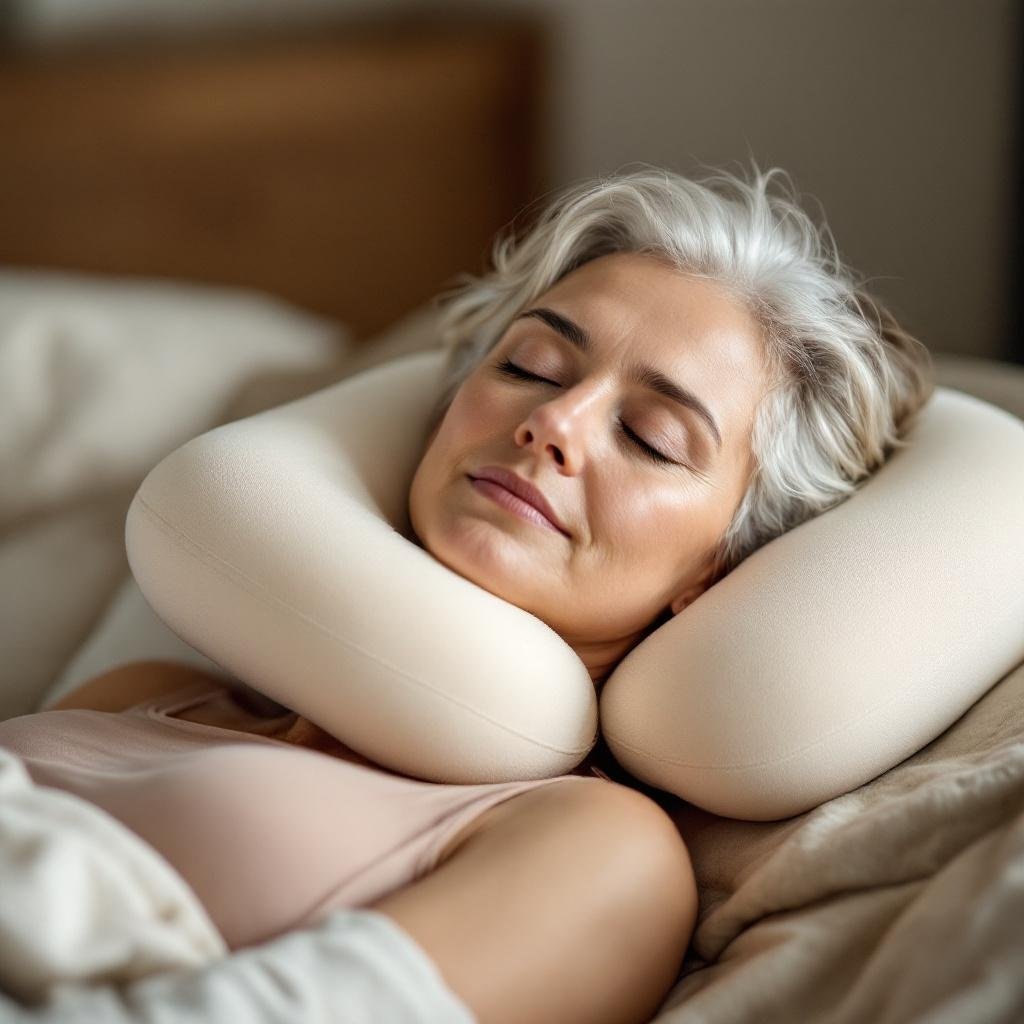
Sleeping on the back (supine position) allows the tongue and soft tissues to collapse into the throat, blocking airflow. Side sleeping (lateral position) prevents this by keeping airways open. A 2017 study in Respiratory Care found that 65% of patients with positional sleep apnea experienced fewer pauses when sleeping on their sides. Use a full-body pillow for support or sew a pocket into the back of a pajama top to hold a tennis ball, discouraging back sleeping. For partners, encourage side-sleeping to improve shared sleep quality.
Using Positional Therapy Devices
Positional therapy devices—like vibrating monitors or wedge-shaped pillows—train individuals to avoid supine sleeping. Modern options include smart devices that track position and emit gentle vibrations when back sleeping is detected. A 2021 review in Journal of Clinical Sleep Medicine found these tools reduced apnea severity by 40% in positional cases. Ensure devices fit your mattress and are adjustable to avoid discomfort. Combine with other remedies for optimal results.
Elevating the Head During Sleep
Raising the head by 30–60 degrees can improve airflow by preventing tissue collapse. A 2006 study in Chest found that elevating the torso with a foam wedge reduced apnea episodes by 32% compared to flat sleeping. Use an adjustable bed frame or layered pillows to achieve the ideal angle without straining the neck. This adjustment may also reduce acid reflux, a common comorbidity with sleep apnea.
Natural Remedies and Devices
Humidifiers for Improved Breathing
Dry air irritates nasal passages, worsening congestion and snoring. A 2015 study in The Journal of Allergy and Clinical Immunology found that heated humidifiers improved nasal airflow in 70% of OSA patients with chronic rhinitis. Add moisture to the bedroom with a cool-mist humidifier, and clean it regularly to prevent mold. For those using CPAP, a heated humidifier attachment can enhance comfort.
Oral Appliances and Mouth Exercises
Custom-fitted oral appliances, prescribed by a dentist, reposition the jaw to keep airways open. Over-the-counter options exist but may be less effective—consult a specialist for proper fitting. Additionally, daily mouth exercises, like tongue presses or playing the didgeridoo, strengthen upper airway muscles. A 2012 study in BMC Neurology showed these exercises reduced apnea symptoms by 15% after three months.
Essential Oils for Nasal Congestion
Peppermint or eucalyptus oil may ease nasal inflammation. Inhale steam with a few drops of oil (avoid direct skin contact) to clear sinuses before bed. While evidence is anecdotal, a 2018 review in Molecules noted that eucalyptol, a compound in eucalyptus oil, has anti-inflammatory properties. Always perform a patch test to check for allergies, and avoid oils if using a plastic CPAP mask, as they may degrade the material.
When to Consult a Healthcare Professional
Home remedies may not suffice for moderate-to-severe apnea. Seek medical advice if you experience frequent awakenings, excessive daytime sleepiness, or morning headaches. Untreated apnea raises the risk of heart disease, stroke, and diabetes—conditions adults over 40 should monitor closely. A sleep study can confirm diagnosis and severity, guiding treatment options like CPAP, oral appliances, or surgery. Always inform your doctor about home remedies to avoid interactions with other treatments.
FAQ Section
Q: Can sleep apnea be managed without a CPAP machine?
A: Non-CPAP options like positional therapy, lifestyle changes, and oral devices may help. Consult your doctor for personalized guidance.
Q: How does weight affect sleep apnea?
A: Excess weight can compress airways, worsening symptoms. Weight loss may improve breathing during sleep, but always consult a healthcare provider.
Q: Are home remedies safe for sleep apnea?
A: Natural remedies may complement treatment but aren’t substitutes for medical advice. Always discuss with your doctor before trying new methods.
Q: What sleep positions help with apnea?
A: Side sleeping and elevated head positions can reduce airway obstruction. Positional therapy devices may assist in maintaining these postures.
Key Takeaways
- Lifestyle changes like weight loss and avoiding alcohol may reduce symptoms.
- Adjusting sleep positions can improve airflow during rest.
- Non-invasive devices and natural remedies offer supportive options.
- Always consult a healthcare provider for personalized care plans.
Frequently Asked Questions
Can sleep apnea be managed without a CPAP machine?
Non-CPAP options like positional therapy, lifestyle changes, and oral devices may help. Consult your doctor for personalized guidance.
How does weight affect sleep apnea?
Excess weight can compress airways, worsening symptoms. Weight loss may improve breathing during sleep, but always consult a healthcare provider.
Are home remedies safe for sleep apnea?
Natural remedies may complement treatment but aren’t substitutes for medical advice. Always discuss with your doctor before trying new methods.
What sleep positions help with apnea?
Side sleeping and elevated head positions can reduce airway obstruction. Positional therapy devices may assist in maintaining these postures.
Disclaimer: This article is for informational purposes only and does not constitute medical advice. Always consult a qualified healthcare provider before making changes to your health regimen.