

Key Takeaways
- Prioritize whole, unprocessed foods for better blood sugar control
- Balance meals with protein, healthy fats, and fiber-rich carbs
- Monitor portion sizes and eat at consistent intervals
- Consult professionals for personalized nutrition plans
Understanding Diabetes and Nutrition Needs
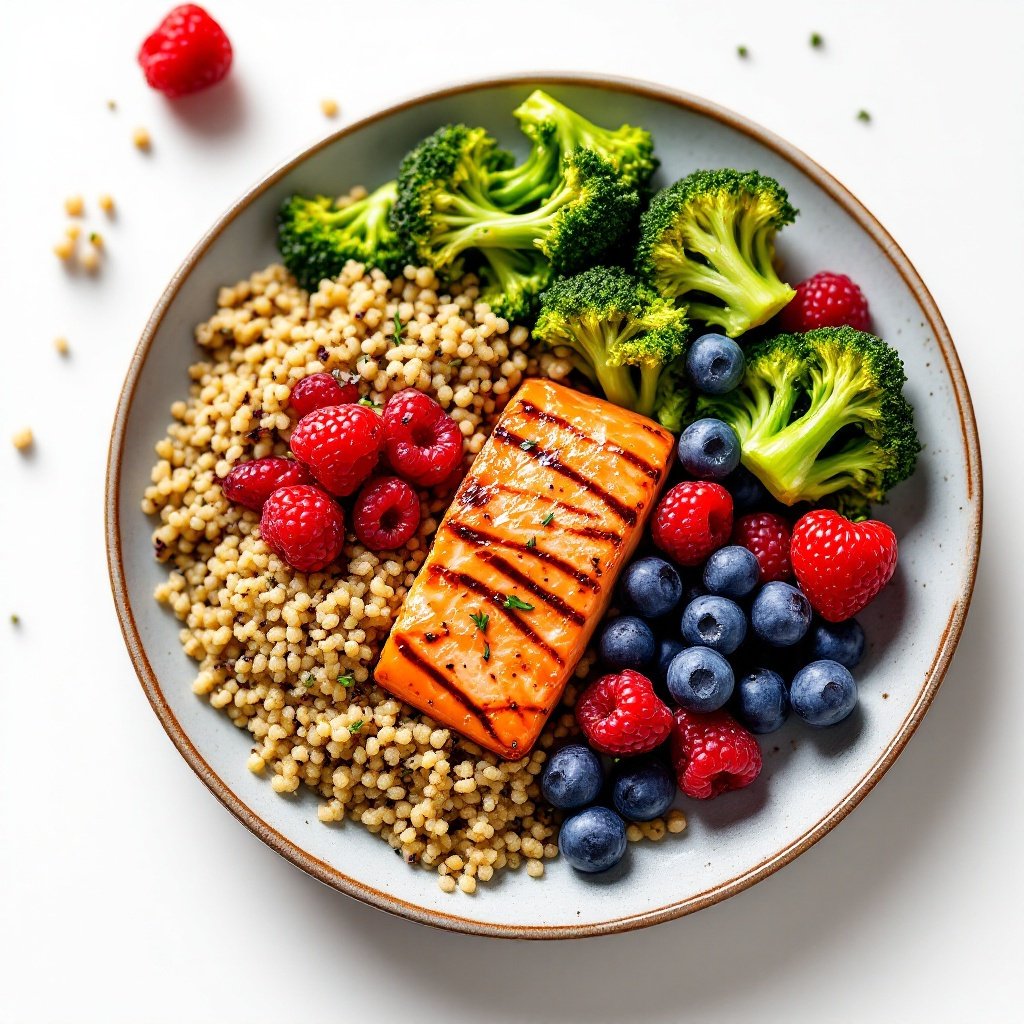
As we age, managing diabetes becomes increasingly complex due to natural physiological changes. For adults over 40, understanding how diabetes intersects with nutrition is critical for maintaining stable blood sugar levels and overall health. The American Diabetes Association emphasizes that proper nutrition remains the cornerstone of diabetes management, particularly as metabolic efficiency declines with age.
How Aging Affects Blood Sugar Regulation
After age 40, several factors complicate glucose metabolism: muscle mass decreases, physical activity often diminishes, and insulin sensitivity naturally declines. Research from the National Institutes of Health indicates that older adults may experience a 10-15% reduction in insulin sensitivity compared to younger adults. This makes post-meal blood sugar spikes more pronounced and harder to regulate. Additionally, age-related changes in kidney function can alter how medications process, necessitating closer dietary monitoring.
Key Nutrients for Stable Glucose Levels
Three macronutrients play crucial roles in blood sugar management: fiber, protein, and healthy fats. The Journal of Clinical Endocrinology & Metabolism highlights fiber’s ability to slow carbohydrate absorption, recommending 25-30g daily from vegetables and whole grains. High-quality protein sources like legumes and lean meats help maintain muscle mass while stabilizing glucose. Omega-3 fatty acids from fish and nuts improve insulin sensitivity, as evidenced by a 2023 meta-analysis showing a 12% improvement in HbA1c levels among regular consumers.
Meal Planning Basics for Blood Sugar Control
Effective meal planning requires understanding carbohydrate quality, portion sizes, and nutrient timing. The Diabetes Plate Method, endorsed by the ADA, recommends filling half the plate with non-starchy vegetables, a quarter with lean protein, and a quarter with whole grains. This visual approach simplifies portion control while ensuring balanced nutrition.
Balancing Carbohydrates with Protein
Combining carbohydrates with protein slows glucose absorption. For example, pairing apple slices with Greek yogurt rather than eating plain fruit creates a steadier blood sugar response. A 2022 study in Nutrients found that meals containing a 1:3 protein-to-carbohydrate ratio reduced post-meal glucose spikes by 22% in adults over 50. Optimal combinations include whole grains with eggs, or legumes with lean meats.
Portion Control Strategies
As metabolism slows after 40, portion management becomes vital. Using smaller 9-inch plates and measuring cups helps maintain appropriate serving sizes. The “Hand Method” provides a portable alternative: one palm-sized portion of protein, one fist-sized serving of carbohydrates, and one thumb-sized portion of fats. For snacks, pre-portioned containers prevent overeating, while apps like MyFitnessPal help track daily intake against personalized targets.
Best Foods for Managing Blood Sugar Levels

Selecting diabetes-friendly foods requires understanding glycemic impact and nutrient density. The University of California San Francisco Medical Center recommends prioritizing foods that provide sustained energy without causing dangerous spikes.
Low-Glycemic Vegetables and Fruits
Non-starchy vegetables like broccoli, spinach, and peppers contain minimal carbohydrates and abundant antioxidants. Include them in 3-5 daily servings through salads, steamed sides, or stir-fries. When choosing fruits, focus on berries, cherries, and apples with skins, which contain polyphenols that improve insulin sensitivity, as shown in a 2021 Journal of Nutrition study.
Whole Grains vs. Refined Carbohydrates
Replacing refined grains with whole grains improves long-term glucose control. Oatmeal, quinoa, and brown rice contain fiber that slows digestion, preventing sharp blood sugar rises. Research from Harvard T.H. Chan School of Public Health links whole grain consumption with a 21% lower risk of type 2 diabetes complications. Look for products with at least 3g fiber per serving and minimal added sugars.
Healthy Fats and Lean Proteins
Incorporate monounsaturated fats from avocados and olive oil to enhance satiety and heart health. For protein, prioritize plant-based sources like lentils and tofu, which provide fiber alongside amino acids. When consuming animal protein, trim visible fat and choose cooking methods like baking or grilling over frying. The American Heart Association recommends limiting red meat consumption to less than 18oz weekly for optimal cardiovascular outcomes.
Foods to Limit or Avoid with Diabetes
Certain foods pose significant risks for blood sugar management and overall health in older adults. The Center for Science in the Public Interest warns that hidden sugars appear in 75% of packaged foods, making label reading essential.
Hidden Sugars in Processed Foods
Beware of seemingly healthy options like flavored yogurts, salad dressings, and “low-fat” products that often contain added sugars. Check nutrition labels for terms like high-fructose corn syrup, dextrose, and words ending in “-ose.” The World Health Organization advises limiting free sugars to less than 10% of daily calories, approximately 12 teaspoons for most adults.
Impact of Refined Carbs and Saturated Fats
White bread, pastries, and sugary cereals cause rapid glucose surges followed by energy crashes. Similarly, foods high in saturated fats like fried items and processed meats increase cardiovascular disease risk, which diabetics already face at triple the rate of non-diabetics. Opt instead for baked goods made with whole grains and replace butter with olive oil in cooking.
Practical Tips for Dining Out and Travel
Maintaining diabetes-friendly eating while traveling requires proactive planning. The Joslin Diabetes Center recommends reviewing restaurant menus online beforehand and requesting modifications like oil-free cooking or half-portions.
Smart Restaurant Choices
Select dishes that align with healthy eating principles: grilled proteins over fried, steamed vegetables instead of creamy sides, and whole grains rather than white rice or pasta. Don’t hesitate to ask for substitutions like salad instead of fries. When ordering ethnic cuisine, choose sushi with brown rice, kebabs over rice-heavy dishes, or tomato-based sauces instead of creamy options.
Packing Diabetes-Friendly Snacks
Carry portable snacks to avoid situations where unhealthy options are the only available choice. Portion-controlled nuts, unsweetened dried fruits, or pre-cut vegetables with hummus provide balanced nutrition. For longer trips, include shelf-stable items like low-sugar protein bars or whole grain crackers. Keep a small cooler with hard-boiled eggs or Greek yogurt when traveling by car or plane.
FAQ
Q: What are the top superfoods for diabetics?
A: Research suggests berries, leafy greens, and fatty fish may help stabilize blood sugar. Always consult your doctor before making dietary changes.
Q: How often should diabetics eat?
A: Eating balanced meals every 4-6 hours may help maintain stable glucose levels. Individual needs vary, so consult a registered dietitian.
Q: Are artificial sweeteners safe?
A: Some sugar substitutes are generally safe when used in moderation. Discuss options with your healthcare provider to determine what’s best.
Q: Can diabetics eat carbohydrates?
A: Yes, carbohydrates are important but focus on complex carbs and monitor portions. Work with a nutritionist to create a personalized plan.
Key Takeaways
-
Prioritize whole, unprocessed foods for better blood sugar control
-
Balance meals with protein, healthy fats, and fiber-rich carbs
-
Monitor portion sizes and eat at consistent intervals
-
Consult professionals for personalized nutrition plans
Frequently Asked Questions
What are the top superfoods for diabetics?
Research suggests berries, leafy greens, and fatty fish may help stabilize blood sugar. Always consult your doctor before making dietary changes.
How often should diabetics eat?
Eating balanced meals every 4-6 hours may help maintain stable glucose levels. Individual needs vary, so consult a registered dietitian.
Are artificial sweeteners safe?
Some sugar substitutes are generally safe when used in moderation. Discuss options with your healthcare provider to determine what’s best.
Can diabetics eat carbohydrates?
Yes, carbohydrates are important but focus on complex carbs and monitor portions. Work with a nutritionist to create a personalized plan.
Disclaimer: This article is for informational purposes only and does not constitute medical advice. Always consult a qualified healthcare provider before making changes to your health regimen.