
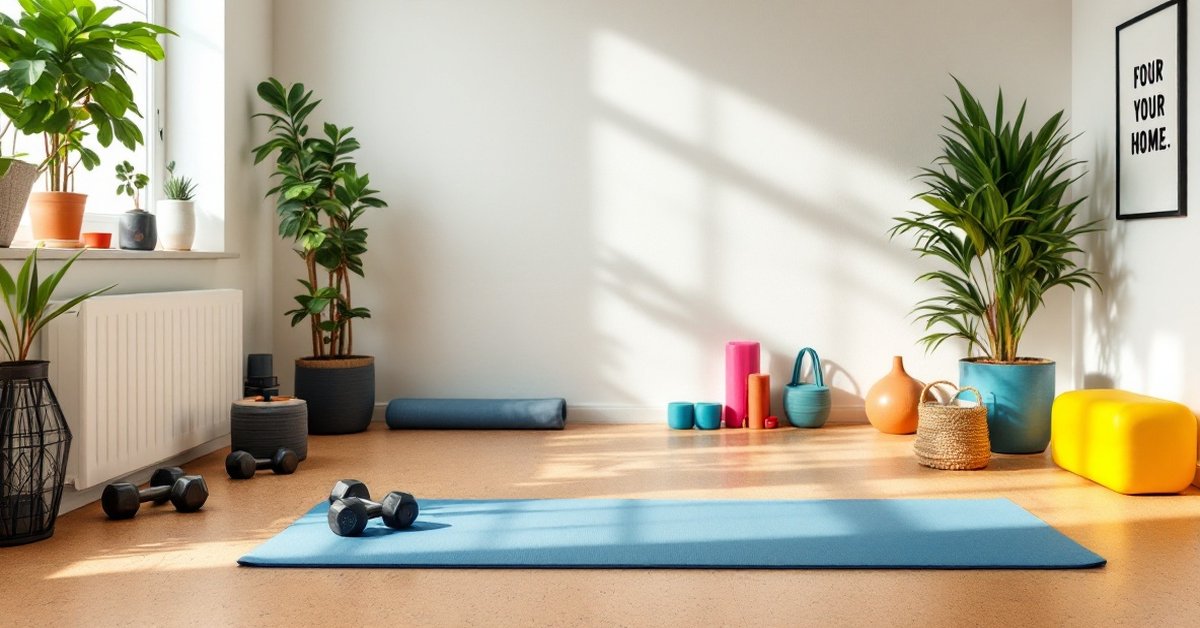
Key Takeaways
- Start with low-impact exercises to match fitness levels
- Invest in versatile, space-saving equipment
- Prioritize safety with proper form and rest days
- Track progress to stay motivated and consistent
Essential Home Gym Equipment for Effective Workouts
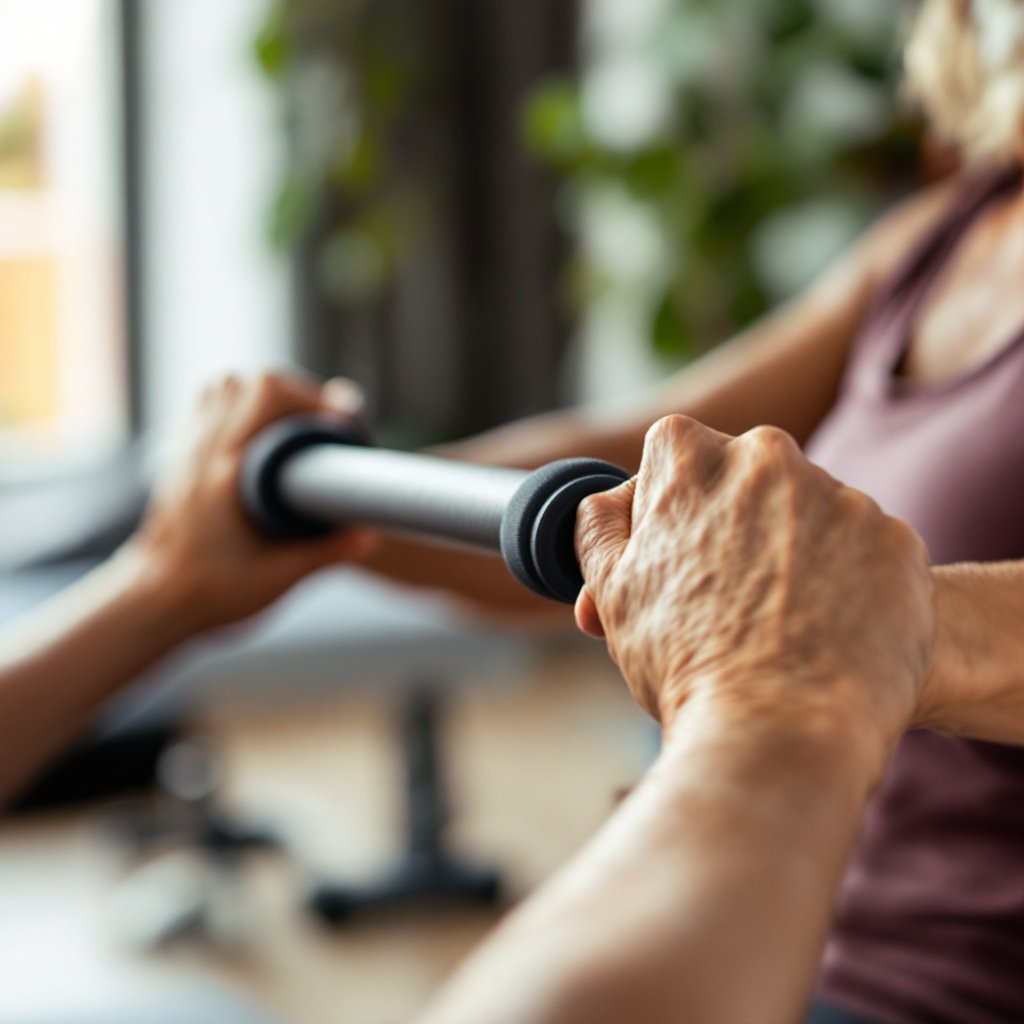
For adults over 40, building a home gym requires thoughtful equipment selection to support safe, effective workouts. Research from the American College of Sports Medicine emphasizes that combining strength and flexibility training improves functional fitness and reduces injury risk as we age. Key investments include resistance bands, adjustable dumbbells, and yoga mats—each offering versatility for different fitness goals while accommodating changing physical needs.
Resistance Bands for Versatile Strength Training
Resistance bands provide scalable strength training without bulky equipment. A 2021 study published in the Journal of Aging and Physical Activity found that elastic resistance training improves muscle activation in middle-aged adults, particularly for those with joint concerns. Available in varying tension levels, bands allow full-body workouts targeting major muscle groups—from bicep curls to glute bridges. Their portability also makes them ideal for travel or small spaces.
Adjustable Dumbbells for Customized Workouts
Adjustable dumbbells are a space-efficient alternative to fixed weights, offering multiple resistance levels in one unit. The Centers for Disease Control and Prevention (CDC) recommends strength training twice weekly for adults over 40 to preserve muscle mass, which naturally declines by 3-5% per decade after age 30. Dumbbells enable progressive overload—a key principle for building strength—by allowing gradual increases in resistance as fitness improves.
Yoga Mats for Stability and Floor Exercises
A quality yoga mat provides cushioning for joint protection during floor exercises, yoga, or mobility drills. The Arthritis Foundation highlights that cushioned surfaces reduce stress on knees and wrists during weight-bearing movements. Look for mats with non-slip textures for balance poses and sufficient thickness (around 1/4 inch) to support spinal alignment during core work or stretching.
How to Set Up a Safe and Functional Home Workout Space
Safety should be the priority when designing a home workout area. According to the National Safety Council, over 4.5 million people sought medical care for exercise-related injuries in 2022, many preventable with proper setup. Consider space, lighting, and flooring to create an environment that encourages consistency without compromising well-being.
Optimize Space for Movement and Accessibility
Designate a clear area that allows full movement for exercises like arm circles or lunges. The American Council on Exercise suggests a minimum space of 6×6 feet for basic routines, with unobstructed paths to prevent tripping hazards. Keep equipment organized and accessible—store bands and dumbbells nearby but out of walkways.
Ensure Proper Lighting and Ventilation
Adequate lighting minimizes fall risks and improves posture awareness. Natural light is ideal, but if using artificial sources, opt for cool-toned bulbs (4000K-5000K) that mimic daylight and enhance visibility. Proper ventilation helps regulate body temperature; aim for a room with windows or a fan to maintain airflow during intense sessions.
Use Cushioned Flooring to Protect Joints
Hard surfaces like wood or tile can increase joint impact during standing exercises. The American Academy of Orthopaedic Surgeons recommends rubber or foam interlocking tiles for home gyms, as they absorb shock and reduce knee strain. Even a thick carpet with a firm pad can offer some joint protection compared to bare floors.
Top Home Gym Routines for Strength and Cardio

Effective home workouts for adults over 40 should balance strength training, cardio, and mobility. The World Health Organization recommends 150 minutes of moderate-intensity aerobic activity weekly plus muscle-strengthening exercises on two or more days. Below are routines tailored to these guidelines while respecting age-related considerations.
Warm-Up: Dynamic Stretches for Injury Prevention
Begin with 5-10 minutes of dynamic stretching to activate muscles and improve circulation. Move from low-intensity movements like arm swings to walking lunges or leg raises. A 2020 review in Sports Medicine noted that dynamic warm-ups enhance performance and reduce muscle stiffness more effectively than static stretching pre-workout.
Strength Training: Full-Body Dumbbell Circuits
Full-body circuits maximize efficiency by targeting multiple muscle groups in one session. Perform exercises like goblet squats, bent-over rows, and seated shoulder presses for 3 sets of 10-12 reps each. Rest 60 seconds between sets. This approach aligns with research from Harvard T.H. Chan School of Public Health, which links full-body resistance training to improved metabolic health and balance in older adults.
Cardio: Low-Impact Exercises for Heart Health
Low-impact cardio options such as brisk marching in place, step-ups, or elliptical machines protect joints while raising heart rate. The American Heart Association stresses that regular aerobic activity helps maintain cardiovascular health and manage blood pressure. Aim for 20-30 minutes at a conversational pace, where you can talk but not sing.
Safety Tips for Home Exercise After 40
While home workouts offer convenience, safety remains critical. The Cleveland Clinic advises adults over 40 to take precautions to prevent injuries, especially when starting new routines. Consider these strategies to train wisely:
Consult Your Doctor Before Starting New Routines
If you have chronic conditions or haven’t exercised regularly, consult a healthcare provider before beginning. This is particularly important for those with hypertension, diabetes, or joint issues. A medical professional can advise on appropriate intensity levels and movements to avoid.
Focus on Proper Form Over Repetition
Using correct form prevents strain and maximizes benefits. For example, during squats, keep your chest upright and knees aligned with toes. The National Academy of Sports Medicine (NASM) recommends starting with bodyweight exercises to master mechanics before adding resistance.
Listen to Your Body and Prioritize Rest Days
Rest allows muscles to recover and adapt. If you experience sharp pain or prolonged soreness, reduce intensity or take an extra day off. The National Institute on Aging reminds us that fatigue and joint discomfort are signals, not signs of weakness—respecting them prevents overuse injuries.
Staying Motivated with Home Workouts
Motivation can wane without the social structure of a gym. A 2022 study in Frontiers in Psychology found that goal-setting and environmental cues significantly improve long-term adherence to home exercise programs. Implement these tactics to stay consistent:
Set Realistic Goals and Track Progress
Define specific, measurable goals like “complete 3 strength sessions weekly” or “increase dumbbell weight by 20% in 8 weeks.” Track progress with a journal or app to visualize improvements in endurance and strength over time.
Create a Consistent Workout Schedule
Treat exercise like any other appointment by scheduling specific days and times. Morning workouts may work best for some, while others prefer evenings. Consistency builds habit formation, as noted by the British Journal of Health Psychology, which found that people who exercised at the same time daily were more likely to maintain routines.
Incorporate Music or Fitness Apps for Engagement
Upbeat music or virtual fitness classes can make workouts more enjoyable. Apps offering guided sessions provide structure and variety—key factors in preventing boredom. Consider apps with age-appropriate programs; many platforms, like AARP’s Staying Sharp, include options specifically designed for mature adults.
FAQ
Q: What budget-friendly equipment works best at home?
A: Resistance bands, dumbbells, and yoga mats offer versatile options without high costs. Look for adjustable weights to maximize workout variety.
Q: How often should adults over 40 exercise at home?
A: Aim for 150 minutes of moderate activity weekly, plus strength training twice a week. Adjust intensity based on individual fitness levels.
Q: Can home workouts build muscle effectively?
A: Yes, using resistance bands or weights with proper form can help maintain muscle mass. Consistency and progressive overload are key.
Q: How to avoid injury while working out at home?
A: Prioritize warm-ups, use correct form, and avoid overexertion. Consider virtual classes for guided sessions if unsure about techniques.
Key Takeaways
- Start with low-impact exercises to match fitness levels
- Invest in versatile, space-saving equipment
- Prioritize safety with proper form and rest days
- Track progress to stay motivated and consistent
Frequently Asked Questions
What budget-friendly equipment works best at home?
Resistance bands, dumbbells, and yoga mats offer versatile options without high costs. Look for adjustable weights to maximize workout variety.
How often should adults over 40 exercise at home?
Aim for 150 minutes of moderate activity weekly, plus strength training twice a week. Adjust intensity based on individual fitness levels.
Can home workouts build muscle effectively?
Yes, using resistance bands or weights with proper form can help maintain muscle mass. Consistency and progressive overload are key.
How to avoid injury while working out at home?
Prioritize warm-ups, use correct form, and avoid overexertion. Consider virtual classes for guided sessions if unsure about techniques.
Disclaimer: This article is for informational purposes only and does not constitute medical advice. Always consult a qualified healthcare provider before making changes to your health regimen.