
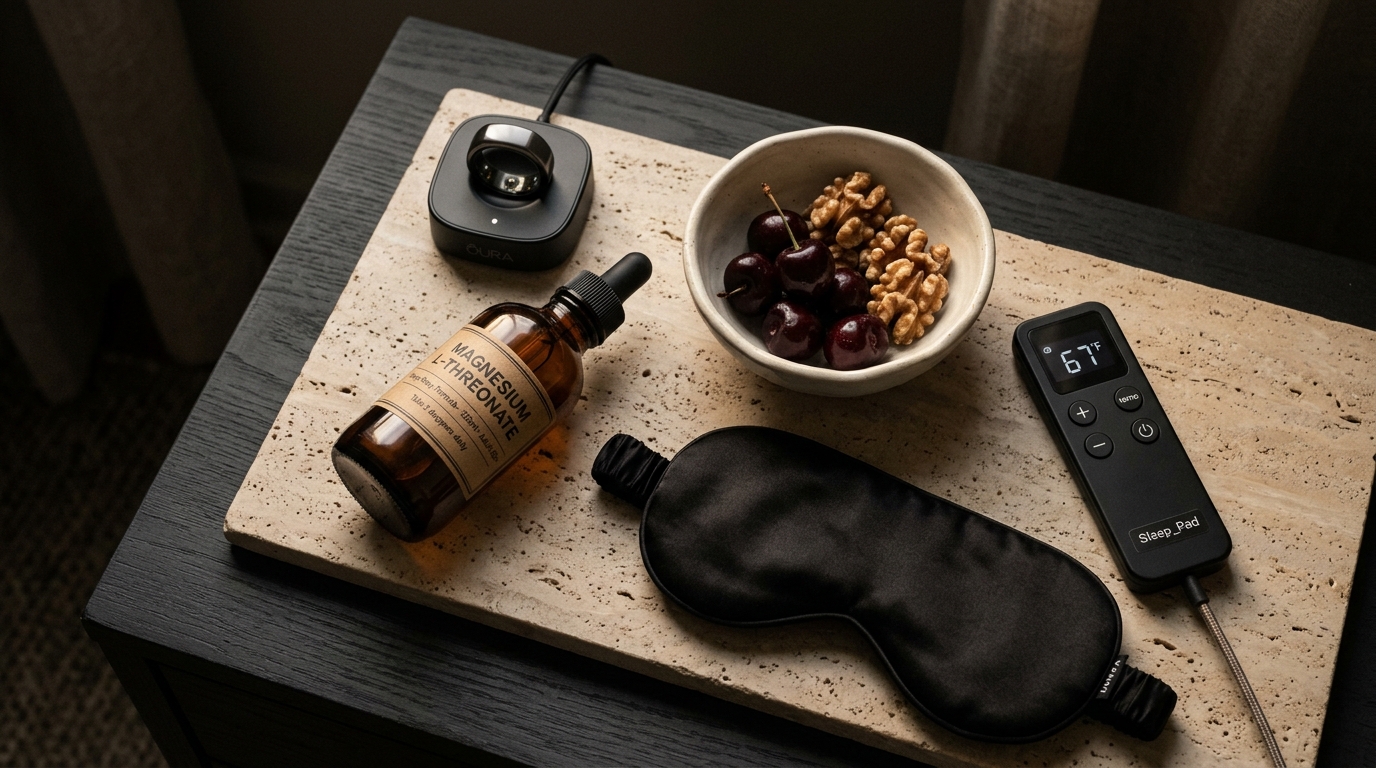
1-Minute Clinical Action Briefing
Deep Sleep Optimization for Adults Over 50
Between ages 20 and 60, humans lose roughly 60% to 70% of their slow-wave deep sleep (N3 stage). This age-related electroencephalographic (EEG) decay cripples the glymphatic system—the brain’s nightly waste drainage network that clears neurotoxic amyloid-beta and tau proteins. Reversing this deficit after 50 requires four targeted protocols: resetting retinal circadian anchors, driving a 1.2°C core temperature drop via evening vasodilation, adopting lateral sleep posture for optimal glymphatic flux, and deploying targeted neurochemical support (magnesium L-threonate and apigenin) rather than sedative hypnotics.
Many adults past the age of 50 report that while they may spend 7 or 8 hours in bed, they wake up feeling mentally unrefreshed, physically stiff, and cognitively fatigued. Polysomnography reveals that total sleep time is rarely the primary culprit; rather, it is the catastrophic shrinkage of Stage 3 slow-wave deep sleep (SWS).
Executing a precision deep sleep optimization protocol for adults over 50 shifts the focus from passive sedation to active restorative neurobiology. By restoring high-amplitude delta waves (0.5 to 4 Hz) and maximizing cerebrospinal fluid (CSF) perfusion through the glymphatic network, older adults can safeguard memory consolidation, boost nocturnal growth hormone release, and dramatically compress neurological aging.
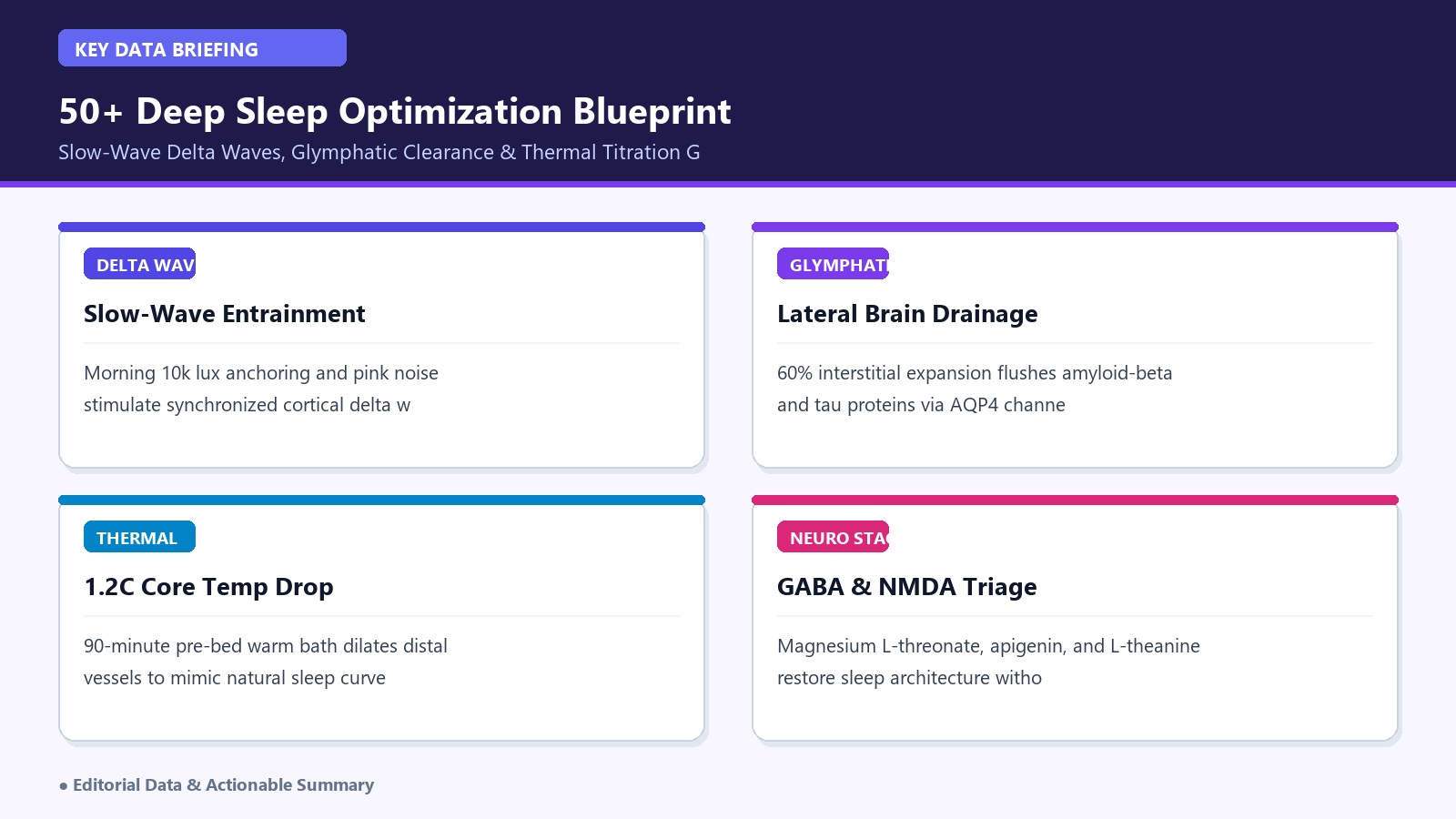
Figure 1: The 4-Pillar Neurobiological Protocol for Restoring Slow-Wave Deep Sleep After 50.
Sleep Stage Architecture: Deep Sleep vs. Light & REM Sleep
The human sleep cycle is composed of distinct neurological phases. The table below compares the physiological roles, age-related vulnerabilities, and clinical enhancement protocols for each sleep stage in adults over 50.
| Sleep Stage | EEG & Neurological Signature | Age 50+ Vulnerability | Clinical Optimization Lever |
|---|---|---|---|
| Stage 3 Deep SWS (N3) | High-amplitude Delta waves (0.5–4 Hz); peak parasympathetic tone | Plummets by 60-70%; impairs glymphatic amyloid clearance & tissue repair | 1.2°C core temp drop, lateral posture, magnesium L-threonate, zero late alcohol |
| Rapid Eye Movement (REM) | Desynchronized Theta waves (4–8 Hz); muscle atonia, vivid dreaming | Moderate decline; blunted by SSRIs, cannabis, and late-night alcohol | Consistent wake times, morning natural sunlight, glycine supplementation |
| Stage 2 Light Sleep (N2) | Sleep spindles (12–14 Hz) and K-complexes; sensorimotor gating | Expands excessively to occupy >60% of total sleep as N3 shrinks | Limiting caffeine after 12:00 PM; dark bedroom environment (<1 lux) |
| Stage 1 Transition (N1) | Alpha to Theta transition; hypnic jerks, light drifting | Frequent nocturnal awakenings cause repeated regression back to N1 | Nocturia management: stop fluids 3h pre-bed; address sleep apnea |

Figure 2: Consistent delta wave entrainment restores next-morning vitality and executive cognitive focus.
Pillar 1: Restoring Delta Wave Amplitude & Adenosine Pressure
Slow-wave sleep is powered by two fundamental forces: homeostatic sleep pressure (adenosine accumulation) and circadian clock entrainment (suprachiasmatic nucleus signaling). As we cross 50, the neural circuitry responsible for generating synchronous cortical delta waves weakens, leading to fragmented, shallow sleep cycles.
To rebuild robust sleep pressure and synchronize delta oscillations:
- Morning High-Lux Anchoring: Expose retinas to 10,000+ lux of outdoor sunlight within 30 minutes of waking. This sets the circadian timer that dictates nocturnal melatonin release 14 to 16 hours later.
- Strict Caffeine Curfew (10-Hour Rule): Adenosine receptor antagonism from afternoon caffeine blunts the homeostatic pressure required to drop into Stage 3 sleep. Cut off caffeine by 11:30 AM or 12:00 PM.
- Acoustic Pink Noise Stimulation: Low-frequency pink noise (simulating rainfall or ocean waves) played during the early sleep cycles has been clinically proven in 50+ cohorts to enhance slow-wave amplitude and memory recall by up to 26%.
Pillar 2: The Glymphatic Brain Drainage Axis & Sleep Posture
Discovered by Dr. Maiken Nedergaard at the University of Rochester, the glymphatic system is a specialized macro-waste clearance pathway. During deep slow-wave sleep, interstitial space inside brain tissue expands by over 60%, allowing cerebrospinal fluid (CSF) to wash through cerebral parenchyma via astroglial aquaporin-4 (AQP4) water channels.
This nightly hydrodynamic rinse removes soluble amyloid-beta, hyperphosphorylated tau, and alpha-synuclein. If deep sleep is truncated, neurotoxic waste accumulates, accelerating cognitive decline.
Optimizing Glymphatic Hydrodynamics in Older Adults
1. Adopt Lateral (Side-Sleeping) Posture: MRI tractography shows glymphatic waste clearance is roughly 25% to 30% more efficient in the lateral position compared to supine (back) or prone (stomach) positions due to gravity-assisted venous drainage.
2. Cervical Spinal Alignment: Use an ergonomic contoured pillow that keeps the cervical spine neutral, preventing compression of jugular venous outflow channels.
3. Screen for Sleep Apnea: Obstructive sleep apnea (OSA) creates intrathoracic pressure spikes that completely halt glymphatic CSF flow. An annual home sleep test is mandatory for adults over 50 who snore.
Pillar 3: Core Body Temperature Titration
Human physiology requires an internal core temperature reduction of 1.0°C to 1.5°C (roughly 2°F) to successfully transition into and maintain Stage 3 slow-wave sleep. As autonomic thermoregulation loses sensitivity after 50, many adults suffer from nighttime vasodilation failure, causing insomnia and midnight wakeups.
- The Warm Bath Paradox (90 Minutes Pre-Bed): Soaking in a 40°C (104°F) bath or hot shower for 15 minutes dilated distal blood vessels in the hands and feet. Upon exiting, blood rushes to the skin surface, rapidly dumping internal heat and triggering a precipitate drop in core temperature that mimics the natural sleep-onset curve.
- Ambient Bedroom Temperature: Maintain the bedroom strictly between 18°C and 19.5°C (65°F–67°F) with breathable organic cotton or linen sheets.
- Thermal Mattress Regulation: For adults experiencing night sweats or hot flashes, active water-cooled mattress pads maintaining 19°C can increase deep sleep percentages by up to 32%.
Pillar 4: The 50+ Precision Sleep Supplement Stack
Sedative hypnotics (such as z-drugs or benzodiazepines) and synthetic mega-dose melatonin (>3mg) do not produce natural sleep; they induce drug-mediated cortical sedation while actively crushing Stage 3 and REM sleep architecture. Instead, modern chronopharmacology utilizes targeted neurochemical precursors that facilitate natural GABAergic relaxation and NMDA receptor modulation:
1
Magnesium L-Threonate (Magtein® 144mg elemental) or Bisglycinate (200–300mg): Crosses the blood-brain barrier to modulate NMDA receptors and upregulate GABA, lowering nighttime autonomic nervous system arousal.
2
Apigenin (50mg chamomile extract): A natural bioflavonoid that acts as a gentle, non-addictive positive allosteric modulator of GABA-A receptors, facilitating the transition into slow-wave delta states.
3
L-Theanine (100–200mg): An amino acid found in green tea that stimulates cortical alpha waves (8–12 Hz) before sleep, quieting nighttime rumination and anxiety without causing grogginess.
4
Glycine (3 grams): Serves as an inhibitory neurotransmitter in the brainstem and spinal cord while directly dilating surface blood vessels to accelerate the crucial 1°C core temperature drop.
The 24-Hour Deep Sleep Restoration Checklist
☐ 07:00 – Morning: Obtain 10–15 minutes of direct sunlight outside without sunglasses to set the master circadian clock.
☐ 11:30 – Midday: Final caffeine cutoff; switch to water, herbal tea, or decaf.
☐ 17:30 – Evening: Complete resistance or Zone 2 training at least 4 hours before bedtime to avoid elevated core temp.
☐ 19:00 – Kitchen Closed: Finish dinner 3 to 4 hours before sleep; minimize late liquids to eliminate 3 AM nocturia.
☐ 21:00 – Wind Down: Dim overhead lights, put screens away, take targeted sleep supplements with minimal water.
☐ 22:30 – Lights Out: Cool bedroom (18°C), total darkness (<1 lux), settle into lateral side-sleeping position.
Frequently Asked Questions
How many hours of deep sleep should an adult over 50 get each night?
In healthy younger adults, deep sleep represents roughly 15% to 20% of total sleep time (approx. 75 to 100 minutes). While normal aging reduces this, adults over 50 should target a clinical minimum of 10% to 15% (roughly 50 to 75 minutes of Stage 3 slow-wave sleep) per night to ensure adequate glymphatic clearance and cellular recovery.
Why does drinking alcohol before bed ruin slow-wave deep sleep?
While alcohol is a sedative that hastens sleep onset, its metabolic breakdown products (such as acetaldehyde) act as a severe neurostimulant 3 to 4 hours later. Alcohol elevates nocturnal heart rate, suppresses heart rate variability (HRV), fragments delta wave architecture, and completely paralyzes normal glymphatic flow.
How can I stop waking up at 3:00 AM to urinate (nocturia)?
Nocturia after 50 is frequently driven by daytime venous pooling in the lower legs and evening fluid intake. Stop drinking fluids 3 hours before bed, elevate your legs for 20 minutes in the late afternoon to mobilize interstitial fluid before sleep, and elevate your head slightly (3 to 5 degrees) to reduce atrial natriuretic peptide (ANP) release.
Can wearable trackers accurately measure my deep sleep stages?
Modern consumer wearables (such as Oura Ring Gen 3/4, Whoop 4.0, or Apple Watch) correlate roughly 75% to 85% with medical polysomnography (PSG) for slow-wave sleep. While not a clinical diagnosis, tracking your relative 30-day baseline trend provides actionable feedback on how temperature, supplements, and dinner timing impact your deep sleep duration.
Medical Disclaimer: This article is published for educational and longevity research purposes only and does not constitute medical advice or clinical diagnosis. If you suffer from chronic insomnia, severe daytime somnolence, or suspected sleep apnea, consult a board-certified sleep medicine physician.