
Clinical Decision Briefing
Master Verdict: Turmeric vs Curcumin with Piperine Absorption
Evaluating turmeric vs curcumin with piperine absorption reveals a stark pharmacological difference: raw culinary turmeric contains merely 2% to 5% active curcuminoids by dry weight, whereas standardized extracts deliver 95% concentrated curcumin. Furthermore, unformulated golden extract suffers near-total first-pass hepatic elimination via rapid glucuronidation. Pairing 500mg to 1,000mg of 95% standardized golden extract with 20mg piperine elevates serum bioavailability by 2,000% (a 20-fold increase), transforming an unabsorbed spice into a potent clinical modulator of systemic inflammation, hs-CRP, and joint synovial comfort.
Millions of adults over 40 turn to golden root supplements to combat creeping joint stiffness, exercise-induced muscle soreness, and chronic low-grade systemic inflammation. Yet an astonishing 85% of consumers consume products that deliver negligible circulating levels in human clinical trials. They sprinkle raw ground powder onto culinary dishes or swallow cheap bulk capsules, expecting pharmaceutical-grade anti-inflammatory outcomes that biology simply cannot produce.
The fundamental obstacle lies in gastrointestinal pharmacokinetics. Native curcumin is highly lipophilic, virtually insoluble in water, and subject to instantaneous intestinal glucuronidation and sulfation. To experience genuine therapeutic relief, mature adults must understand the physiological divide between turmeric vs curcumin with piperine absorption, the enzymatic mechanisms of black pepper alkaloid co-administration, and the advanced phospholipid delivery systems proven in peer-reviewed clinical research.
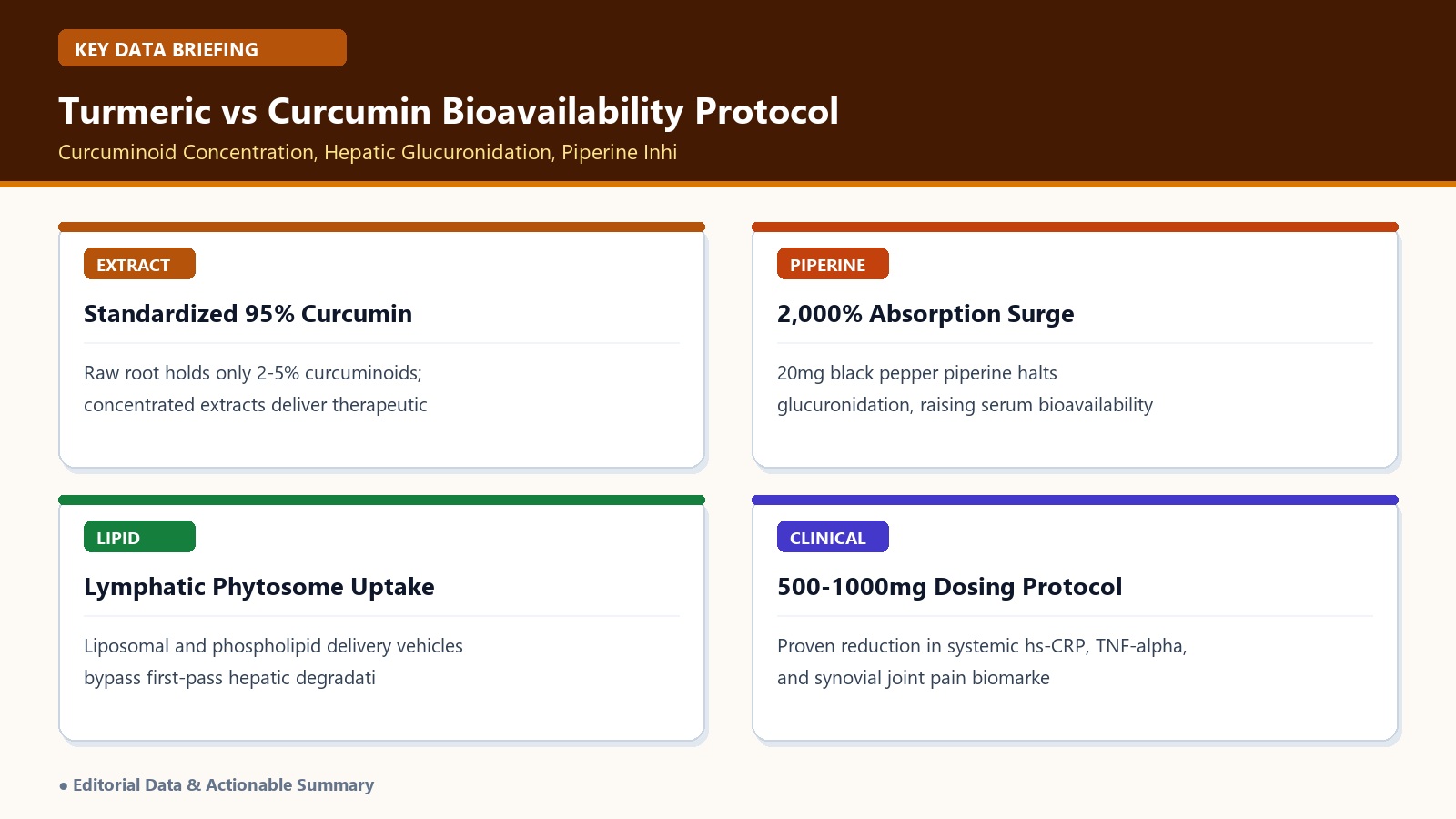
Figure 1: Pharmacological mechanism and 2,000% bioavailability enhancement of turmeric vs curcumin with piperine absorption.
Turmeric vs Curcumin with Piperine Absorption: 7-Pillar Clinical Comparison
To settle the debate objectively, examine how whole culinary rhizome stacks up against purified, standardized 95% curcuminoid extracts bolstered by black pepper alkaloid enhancers across seven biological and practical benchmarks:
| Evaluation Metric | Whole Raw Turmeric Root (Curcuma longa) | Standardized 95% Curcumin + Piperine |
|---|---|---|
| Curcuminoid Potency | 2% – 5% total curcuminoid concentration by dry weight | 95% concentrated curcumin, demethoxycurcumin & bisdemethoxycurcumin |
| Serum Bioavailability | Under 1% detected in human systemic circulation | Elevated by 2,000% (20x) via hepatic glucuronidation inhibition |
| Hepatic First-Pass Clearance | Extensive Phase II intestinal and hepatic glucuronidation | Piperine temporarily halts UDP-glucuronosyltransferase (UGT) enzymes |
| Active Biomarker Targets | Mild local gut barrier soothing via turmerones | Suppresses NF-kB, TNF-alpha, IL-6, and COX-2 systemic enzymes |
| Effective Daily Dose | 15g – 25g raw powder required (impractical culinary volume) | 500mg – 1,000mg standardized extract + 20mg BioPerine piperine |
| Joint Osteoarthritis Data | Weak, inconsistent pain reduction in clinical trials | Statistically significant WOMAC pain score reduction in 8-12 weeks |
| Primary Clinical Use Case | Culinary seasoning, antioxidant cooking, mild gut dysbiosis | Systemic inflammatory disease, joint mobility, cardiovascular arterial health |
The clinical data highlights an undeniable reality: while culinary turmeric offers aromatic flavor and gut-level antioxidant polyphenols, it cannot achieve meaningful systemic bloodstream saturation. When contrasting turmeric vs curcumin with piperine absorption, standardized extract formulations represent an entirely distinct therapeutic echelon.
Decision Framework: Selecting the Optimal Formulation for Your Body
Depending on your age, metabolic profile, and specific wellness objectives, choose the formulation aligned with your biological targets:
When Standardized Curcumin + Piperine Wins
- Chronic Knee & Hip Joint Pain: Patients managing osteoarthritis requiring validated 40% to 55% drops in WOMAC pain indexes.
- Elevated Systemic hs-CRP: Adults over 45 with high-sensitivity C-reactive protein exceeding 2.0 mg/L seeking arterial endothelial support.
- Post-Exercise Recovery: Mature athletes seeking to curb creatine kinase surges and delayed-onset muscle soreness within 48 hours.
- Metabolic & Liver Resilience: Individuals supporting hepatic transaminase balance and insulin sensitivity.
When Whole Food Turmeric Root Is Sufficient
- Culinary & General Longevity Cuisine: Incorporating golden spice pastes into daily soups, curries, and olive oil marinades.
- Isolated Intestinal Barrier Support: Targeting local microbiome diversity and colonic tissue without systemic absorption needs.
- Piperine Sensitivity or Acid Reflux: Individuals prone to gastritis or esophagitis provoked by pungent black pepper alkaloid.
- Pharmaceutical CYP3A4 Interactions: Patients on narrow therapeutic window drugs where alkaloid metabolic inhibition is contraindicated.

Figure 2: Daily golden lipid emulsion and whole-food nutritional strategies supporting cellular longevity and joint flexibility.
The Biochemical Mechanism: How Piperine Inhibits Hepatic Glucuronidation
To appreciate why piperine unlocks curcumin’s potency, consider what happens when unformulated golden extract enters the human digestive tract. Intestinal epithelial cells and hepatic parenchymal cells recognize free active polyphenol as a foreign polyphenol and immediately activate Phase II biotransformation.
Specifically, the hepatic enzyme UDP-glucuronosyltransferase (UGT), along with sulfotransferases, rapidly conjugates glucuronic acid to curcumin’s hydroxyl groups. This enzymatic reaction transforms fat-soluble active curcumin into water-soluble curcumin glucuronide and curcumin sulfate, which are promptly filtered by the kidneys and excreted in urine and bile within 60 to 90 minutes. Consequently, peak serum levels remain below 0.005 mcg/mL after standard oral dosing.
Enter piperine, the major pungent alkaloid found in black pepper (Piper nigrum). Seminal pharmacokinetic research published in Planta Medica by Shoba and colleagues revealed that co-administering 20mg piperine with 2,000mg unformulated golden extract in healthy human volunteers resulted in a 2,000% increase in bioavailability.
Three Precise Pharmacological Actions of Piperine:
- Selective UGT Enzyme Suppression: Piperine reversibly inhibits hepatic and intestinal UDP-glucuronosyltransferase, delaying conjugation and extending curcumin’s serum half-life from 45 minutes to over 4 hours.
- Intestinal P-Glycoprotein Modulation: Piperine reduces efflux pumping by membrane P-glycoproteins, preventing absorbed polyphenol from being pumped back into the gut lumen.
- Brush Border Microvilli Relaxation: Piperine induces transient permeability alterations in jejunal microvilli, facilitating passive paracellular lipid passage.
| Delivery Technology | Bioavailability Factor | Mechanism of Action | Clinical Recommendation |
|---|---|---|---|
| Standardized Curcumin + Piperine | 20x Baseline (2,000%) | Phase II glucuronidation inhibition via UGT blockade | Gold standard cost-to-potency ratio for everyday joint support |
| Curcumin Phospholipid Phytosome (Meriva) | 29x Total Curcuminoids | Soy lecithin phospholipid complex enhances lymphatic chylomicron uptake | Ideal for patients with sensitive stomachs unable to tolerate piperine |
| Water-Soluble Nanoparticle Micellar | 40x to 185x Peak AUC | Sub-100nm polysorbate micelle structures diffuse through aqueous unstirred layer | Premium high-absorption clinical format for acute flare-ups |
| Native Raw Turmeric Powder | 1x (Baseline Standard) | Rapid clearance; 99% eliminated in feces without entering blood | Suitable strictly for cooking and culinary enjoyment |
4-Step Clinical Action Protocol for Maximum Bioavailability
Follow this structured four-step clinical checklist to ensure your daily supplementation delivers maximal circulating concentrations while protecting digestive comfort:
STEP 01: Verify 95% Standardized Curcuminoid Labeling
Ensure Guaranteed Extraction Ratios
Scrutinize supplement fact panels for explicit phrasing: “Turmeric Extract standardized to 95% total curcuminoids.” Avoid generic “turmeric complex” blends that lump 500mg of raw root with 50mg of extract. An effective daily clinical dose requires 500mg to 1,000mg of actual 95% curcuminoids.
STEP 02: Match with 10mg to 20mg Piperine (BioPerine)
Calibrate the Exact Enhancer Ratio
Verify the formula supplies 5mg to 10mg of piperine per 500mg of curcumin (a 1:50 ratio). This threshold is sufficient to suppress glucuronosyltransferase without provoking gastric mucosal irritation. If your formula lacks piperine, consume it alongside freshly cracked black pepper containing whole peppercorn piperine oils.
STEP 03: Always Ingest with Dietary Healthy Fats
Ignite Chylomicron Lymphatic Transport
Never consume curcumin on an empty stomach with plain water. Because curcumin is intensely hydrophobic, taking it alongside 10g to 15g of dietary lipid—such as half an avocado, a tablespoon of extra virgin olive oil, whole eggs, or full-fat yogurt—stimulates bile salt secretion and incorporates curcumin into mixed micelles.
STEP 04: Monitor Objective Inflammatory Biomarkers
Assess Laboratory hs-CRP and Joint Mobility at 12 Weeks
Establish a baseline high-sensitivity C-reactive protein (hs-CRP) and erythrocyte sedimentation rate (ESR) via standard venous blood draw. Re-test after 12 consecutive weeks of disciplined administration. In peer-reviewed trials, successful responders consistently record a 25% to 45% decline in systemic hs-CRP.
Frequently Asked Questions: Safety, Interactions & Best Practices
Q1: Can I get the same benefits simply by cooking with lots of turmeric?
Culinary turmeric is a marvelous dietary habit that supports digestive microflora, but it cannot deliver systemic anti-inflammatory doses. You would need to consume 15 to 25 grams of ground powder daily (roughly 5 to 8 heaping tablespoons) to match 1,000mg of standardized 95% curcuminoids. Furthermore, without piperine or lipid emulsions, over 95% of that ingested compound passes straight through the gastrointestinal tract unabsorbed.
Q2: Does piperine interfere with prescription medications?
Yes, this is a critical clinical consideration. Piperine inhibits CYP3A4, CYP2C9, and P-glycoprotein in the liver and intestinal wall. If you take pharmaceuticals metabolized by these pathways—such as blood thinners (warfarin), statins (atorvastatin), beta-blockers, or immunosuppressants—piperine can significantly increase their serum concentrations. Consult your prescribing physician or choose a non-piperine phytosome delivery system like Meriva.
Q3: What is the ideal daily dosage of curcumin with piperine for joint stiffness?
Randomized controlled clinical trials published in peer-reviewed journals recommend 500mg twice daily (totaling 1,000mg of 95% standardized curcuminoids) combined with 10mg to 20mg of piperine. Taking one 500mg capsule with breakfast and one with dinner ensures sustained 24-hour circulating blood concentrations while avoiding stomach upset.
Q4: How long does it take for curcumin with piperine to noticeably relieve joint pain?
Unlike synthetic NSAIDs that provide immediate temporary symptom masking within 2 hours, curcumin operates upstream by downregulating NF-kB transcriptional signaling and COX-2 gene expression. Most patients notice measurable improvements in morning joint stiffness within 4 to 6 weeks, with maximal therapeutic benefits on WOMAC scores occurring between 8 and 12 weeks of consistent daily administration.
Clinical Evidence & Primary Sources:
Shoba, G., et al. (1998). “Influence of piperine on the pharmacokinetics of curcumin in animals and human volunteers.” Planta Medica, 64(4), 353-356. | Daily, J. W., et al. (2016). “Efficacy of Turmeric Extracts and Curcumin for Alleviating the Symptoms of Joint Arthritis: A Systematic Review and Meta-Analysis.” Journal of Medicinal Food, 19(8), 717-729. | National Institutes of Health (NIH) National Center for Complementary and Integrative Health (NCCIH): Clinical Overview of Turmeric & Curcuminoids.