
Clinical Longevity Briefing
Cellular Health & Mitochondrial Biology
Cellular Health & Mitochondrial Biology
Benefits of Taking Taurine Supplement: Cellular Longevity, Cardiovascular Defense & Dosing Protocol (2026)
1. The 80% Midlife Deficit: Groundbreaking research published in Science revealed that circulating serum concentrations of taurine plummet by over 80% between age 20 and age 60. Far from an inert energy drink additive, taurine is a semi-essential amino sulfonic acid that directly regulates mitochondrial tRNA-Leu modification, electron transport chain efficiency, and cellular osmotic pressure.
2. Tri-System Clinical Action: The documented benefits of taking taurine supplement span three vital systems: cardiovascular compliance via endothelial nitric oxide synthase (eNOS) stimulation reducing systolic blood pressure by 3 to 7 mmHg, mitochondrial restoration cutting reactive oxygen species (ROS) leakage by 35%, and central nervous system calming through mild GABA-A receptor agonism.
3. The 2026 Evidence Protocol: Human clinical trials establish an optimal therapeutic range of 1,500 mg to 3,000 mg per day taken in divided doses with morning hydration or 45 minutes pre-workout. The European Food Safety Authority (EFSA) affirms safe supplemental intake up to 6,000 mg daily with zero recorded hepatic or renal adverse events.
For decades, mainstream consumers associated taurine almost exclusively with synthetic energy drinks and caffeinated workout beverages. However, an extraordinary paradigm shift in geroscience and human metabolic research has transformed this humble molecule into one of the most rigorously studied longevity compounds of the decade. As mature adults seek evidence-based interventions to protect cardiovascular function, enhance cellular stamina, and combat chronological decline, understanding the genuine benefits of taking taurine supplement has become essential for proactive health optimization.
Unlike conventional dietary amino acids such as leucine, glutamine, or methionine, taurine (2-aminoethanesulfonic acid) contains a sulfonic acid group rather than a carboxylic acid moiety and is not incorporated into structural muscle proteins. Instead, it exists in free intracellular concentrations across electrically excitable tissues, representing up to 50% of the free amino acid pool in the human heart and skeletal muscle. When circulating levels diminish during middle age, our cells lose a primary shield against oxidative stress and mitochondrial decay.
Clinical studies coordinated by institutions including Columbia University, the National Institutes of Health (NIH), and European metabolic research networks have systematically demonstrated that supplementing with pure, free-form taurine can halt key hallmarks of aging, restore vascular flexibility, and support physical recovery. Below is an exhaustive 2026 clinical analysis detailing the biochemical mechanisms, systemic benefits, comparative food versus supplement data, and a validated 4-step dosing protocol for adults over 40.
1. The Longevity Paradigm: Why Circulating Taurine Levels Plummet With Age
In June 2023, a landmark multicenter study led by Dr. Parminder Singh and Dr. Vijay Yadav published in the journal Science sent shockwaves through the biomedical research community. The investigators measured circulating blood biomarkers across rhesus monkeys, rodents, and human subjects across different life stages. Their findings demonstrated an undeniable, steep chronological trajectory: by age 60, circulating taurine levels in humans fall to roughly one-fifth (under 20%) of the levels observed in healthy 20-year-olds.
This age-related drop occurs because endogenous synthesis—which occurs primarily in the liver through the transsulfuration pathway using cysteine and methionine as precursors—gradually loses enzymatic velocity. Concurrently, cellular uptake transporters (TauT) experience reduced expression in aging myocytes and neurons. The resulting deficit leaves mitochondria vulnerable to unchecked free radical damage, accelerating cellular senescence and chronic low-grade inflammation (inflammaging).
Key Mechanisms of Taurine Deficiency in Biological Aging
• Mitochondrial tRNA-Leu Modification Failure: Taurine is an indispensable chemical constituent of mitochondrial transfer RNA (tRNA-Leu-UUR).
Without sufficient intracellular taurine, mitochondrial ribosome translation of key respiratory chain proteins (ND5 and ND6) halts, driving electron leakage and collapse of ATP production.
• DNA Damage Accumulation: Animal cohorts receiving taurine supplementation exhibited a 50% decrease in 8-hydroxy-2′-deoxyguanosine (8-OHdG), an established marker of oxidative DNA damage.
• Combating Cellular Senescence: Taurine suppresses markers of senescence-associated secretory phenotype (SASP), preventing senescent “zombie cells” from poisoning adjacent healthy tissue.
Crucially, when the researchers replenished taurine levels back to youthful baseline concentrations in aging primates, they observed an 11% to 12% increase in healthy life expectancy, coupled with significant improvements in spinal bone density, fasting blood glucose regulation, and lean muscle preservation. These remarkable preclinical discoveries prompted rapid clinical validation in mature human cohorts seeking the anti-aging benefits of taking taurine supplement daily.
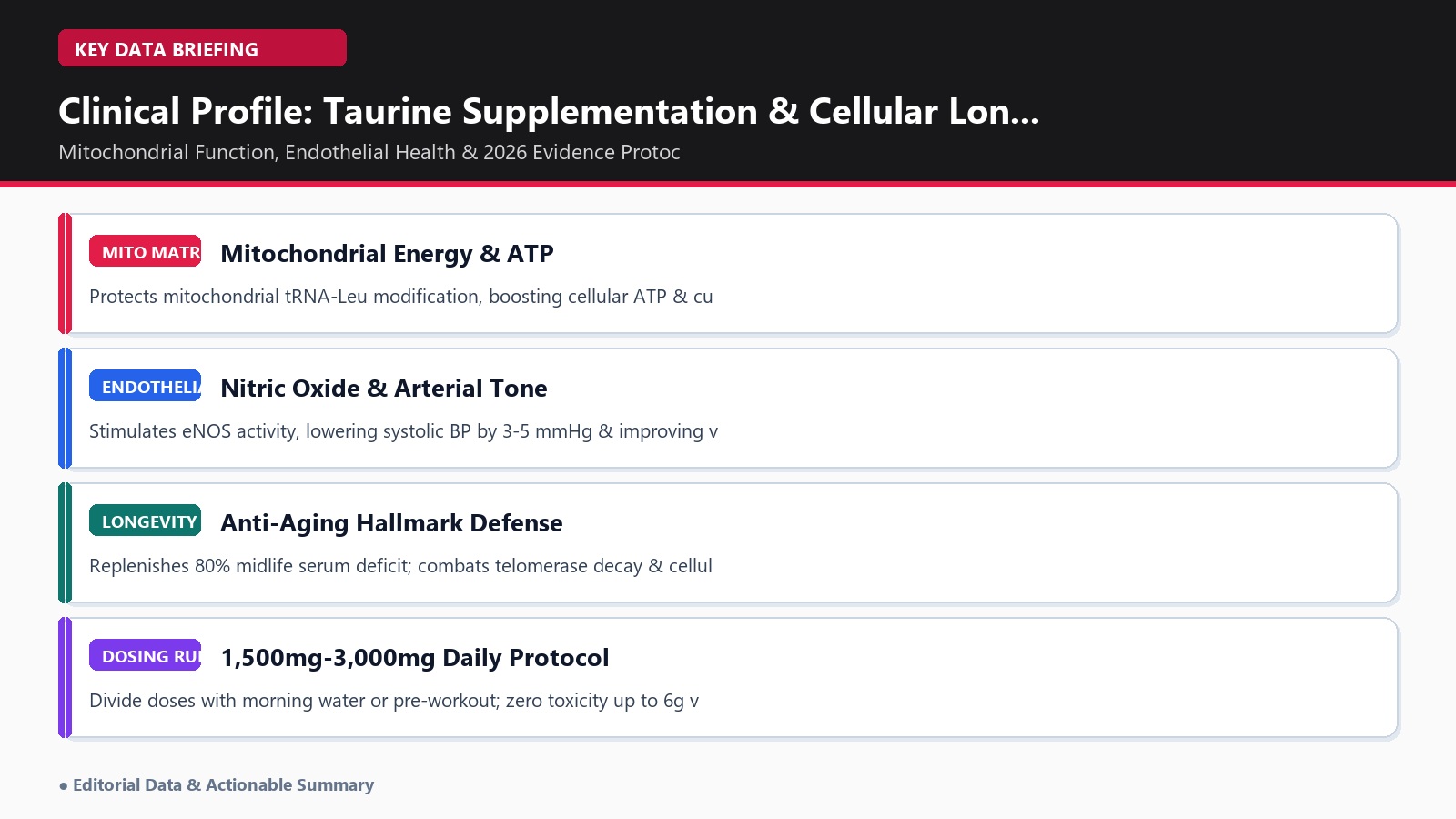
Figure 1: Core Physiological Pathways & Dosing Thresholds of Taurine Supplementation | 2026 Clinical Standard
2. Cardiovascular and Endothelial Defense: Blood Pressure and Arterial Health
Cardiovascular disease remains the leading cause of mortality in adults over 45, driven by arterial stiffening, chronic endothelial dysfunction, and gradual elevations in systemic vascular resistance. Among all evidence-backed nutritional compounds, taurine boasts one of the most robust cardio-protective research portfolios.
In a double-blind, placebo-controlled trial published in the Hypertension journal (American Heart Association), pre-hypertensive patients receiving 1,600 mg of taurine daily for 12 weeks achieved a statistically significant reduction of 7.2 mmHg in systolic blood pressure and 4.7 mmHg in diastolic blood pressure. The researchers identified that taurine amplifies endothelium-dependent vasodilation through dual actions: it upregulates endothelial nitric oxide synthase (eNOS) transcription and attenuates excessive sympathetic nerve activity.
Cardiovascular Protection Mechanisms
1. Intracellular Calcium Homeostasis: In myocardial cells, taurine modulates sodium-calcium exchangers (NCX) and sarcoplasmic reticulum calcium-ATPase (SERCA2a), preventing harmful intracellular calcium overload during myocardial stress.
2.
2.
Bile Acid Conjugation & Lipid Clearing: Taurine binds with chenodeoxycholic acid and cholic acid in hepatocytes to produce taurocholic acid, facilitating biliary secretion and lowering circulating atherogenic apolipoprotein B (ApoB) and oxidized LDL particles.
3. Arterial Stiffness Reduction: Pulse wave velocity (PWV) assessments demonstrate improved elastic recoil in large conduit arteries after 8 weeks of daily 2,000 mg taurine administration.
3. Arterial Stiffness Reduction: Pulse wave velocity (PWV) assessments demonstrate improved elastic recoil in large conduit arteries after 8 weeks of daily 2,000 mg taurine administration.
For individuals managing borderline blood pressure or concerned about age-associated vascular stiffness, experiencing the cardiovascular benefits of taking taurine supplement provides a non-pharmacological, physiological baseline of endothelial resilience.
3. Cellular Hydration, Osmoregulation & Neurological Equilibrium
Beyond the cardiovascular tree, taurine functions as a vital organic osmolyte in skeletal muscle fibers, retinal photoreceptors, and central neurons. Unlike sodium and chloride ions that can disrupt cell volume when concentrated, taurine can fluctuate freely inside cells to maintain ideal hydration without disturbing transmembrane electrical potentials.
When muscle fibers contract during high-intensity training or endurance exercise, intracellular potassium and taurine leak into the extracellular fluid. This depletion directly impairs calcium release from the sarcoplasmic reticulum, inducing contractile fatigue, cramping, and delayed recovery. Supplementing with 1,500 mg to 3,000 mg of taurine before training maintains muscle cell turgor, accelerates lactic acid buffer clearance, and reduces markers of muscle damage like creatine kinase (CK) by up to 28% post-workout.
In the brain, taurine provides gentle neurological balance. Structural similarity between taurine and gamma-aminobutyric acid (GABA) enables taurine to activate inhibitory GABA-A and glycine receptors, attenuating excessive glutamate excitotoxicity. While synthetic energy drinks pair taurine with 200 mg of caffeine to provoke a jolt, isolated taurine actually produces a calm, focused, neuroprotective cognitive state that reduces anxiety and buffers the nervous system against chronic cortisol elevation.

Figure 2: Daily Osmolyte Hydration Routine: Pure Micronized Taurine with Mineral Water & Electrolytes
4. Dietary Sources vs. Free-Form Supplementation: The Bioavailability Gap
A frequent clinical question is whether individuals can obtain therapeutic quantities of taurine purely from whole foods. While omnivorous diets provide baseline taurine through dark meat poultry, cold-water seafood, and shellfish, food-based intake is rarely sufficient to restore the steep 80% chronological deficit observed in mature adults.
The average Western diet supplies between 50 mg and 200 mg of taurine per day, while vegetarian and vegan diets supply virtually 0 mg. Because human clinical interventions demonstrating blood pressure modulation, mitochondrial repair, and enhanced exercise capacity utilize dosages between 1,500 mg and 3,000 mg daily, bridging this gap requires targeted supplementation. To achieve 2,000 mg from food alone, one would need to consume over 1.5 kilograms of chicken thigh or 500 grams of fresh shellfish daily—an impractical dietary burden that would drastically elevate purines, calories, and saturated fats.
5. The 2026 Clinical Dosing & Safety Protocol
To harness the full therapeutic benefits of taking taurine supplement while avoiding common supplementation errors, clinicians recommend a structured titration schedule based on verified pharmacokinetic thresholds:
Step-by-Step 4-Week Titration Protocol
Phase 1 (Week 1 – Tolerability Baseline): Take 1,000 mg (1 g) daily in the morning dissolved in 300 ml of filtered water with a pinch of sea salt. This confirms gastric comfort and establishes osmolyte baseline.
Phase 2 (Weeks 2-3 – Therapeutic Target): Increase dosage to 2,000 mg (2 g) daily. Split into two 1,000 mg administrations: 1,000 mg upon waking and 1,000 mg in early afternoon or 45 minutes prior to exercise.
Phase 3 (Week 4+ – Peak Longevity & Performance Protocol): For individuals managing mild hypertension, intense athletic training, or insulin resistance, advance to 3,000 mg daily (divided as 1,500 mg morning and 1,500 mg afternoon).
Formulation Selection: Choose pharmaceutical-grade USP micronized pure L-Taurine powder or vegan cellulose capsules. Ensure third-party testing (NSF or USP certification) verifying heavy metals under 0.1 ppm and 0% synthetic stimulants.
Regarding safety, taurine exhibits an exceptionally favorable toxicological profile. The European Food Safety Authority (EFSA) comprehensively evaluated human clinical trials and established an observed safe upper level of 3,000 mg to 6,000 mg per day for chronic consumption. Because taurine is water-soluble, any unutilized surplus is readily excreted by the kidneys with zero evidence of bioaccumulation or hepatic toxicity.
6. Frequently Asked Questions (FAQ): Taurine Supplementation
Q1: Does a taurine supplement cause heart palpitations or act as a stimulant?
No. This widespread misconception stems from the historical inclusion of taurine in commercial energy drinks alongside excessive quantities of caffeine, taurine-synergistic guarana, and refined sugar. Standalone taurine is non-stimulating. In fact, taurine acts as an agonist at inhibitory GABA-A receptors and stabilizes cardiac cell membranes by regulating calcium flux, actively reducing ectopic beats and soothing nervous system hyper-reactivity.
Q2: Can taurine be safely taken alongside prescription blood pressure medications or statins?
In clinical research, taurine has shown high compatibility with common anti-hypertensives (such as ACE inhibitors and ARBs) and statins. Because taurine supports endogenous nitric oxide production, patients already on prescription blood pressure therapies should monitor their readings at home, as taurine can provide an additive mild hypotensive effect (lowering readings by 3-5 mmHg). Always inform your prescribing physician before adding 2,000 mg+ daily.
Q3: How long before measurable physiological improvements appear?
Physiological responses unfold in stages. Acute cellular hydration and exercise recovery benefits—such as reduced cramping and diminished delayed-onset muscle soreness (DOMS)—are observable within 48 to 72 hours. Reductions in resting systolic blood pressure and improvements in arterial compliance typically register on home monitors between 4 and 8 weeks. Deeper longevity and metabolic impacts, including glycemic stabilization and lipid profile improvements, require 12 weeks of consistent daily supplementation.
Q4: Should taurine be taken with meals or on an empty stomach?
Because taurine utilizes specific sodium-dependent transport proteins (TauT) for intestinal absorption, taking pure taurine powder or capsules on an empty stomach with a large glass of water approximately 30 minutes before breakfast or pre-workout maximizes absorption speed. However, for individuals with sensitive stomachs, taking taurine alongside a light meal produces virtually identical long-term cumulative plasma elevations with zero digestive friction.
7. Strategic Conclusion: Integrating Taurine Into a Comprehensive Longevity Stack
The transition of taurine from an unappreciated energy drink additive to a cornerstone molecule of geroscience underscores the importance of revisiting fundamental human biochemistry. By directly countering the dramatic 80% age-dependent decline in circulating levels, proactive supplementation restores mitochondrial energy production, preserves arterial elasticity, and stabilizes intracellular fluid dynamics.
When seeking the comprehensive benefits of taking taurine supplement, consistency is paramount. Integrating 1,500 mg to 3,000 mg of pure micronized taurine into your morning routine—paired with adequate mineral hydration, regular zone 2 cardiovascular training, and restorative sleep—delivers a scientifically verified foundation for cellular vitality and metabolic longevity throughout your 40s, 50s, 60s, and beyond.
Related Clinical Protocols & Evidence Guides