

Key Takeaways
- Start with bodyweight exercises before adding resistance
- Prioritize proper form over repetition quantity
- Incorporate both strengthening and stretching routines
- Consult professionals for personalized programs
Why Back Health Matters for Adults Over 40

Back pain affects 80% of adults at some point in their lives, with risk increasing after age 40 due to natural spinal degeneration. Strengthening core stability muscles and maintaining spinal mobility through targeted fitness exercises can reduce this risk by up to 45% (Harvard T.H. Chan School of Public Health). Age-related loss of disc hydration and muscle mass makes proactive back care essential for maintaining independence and activity levels in middle age and beyond.
Age-Related Changes in Spinal Health
Spinal discs lose water content at about 1% per year after 30, reducing shock absorption. This contributes to common issues like lumbar lordosis (excessive lower back curve) in 35% of adults over 40 (Spine Journal, 2022). Degenerative disc disease prevalence increases from 30% at age 40 to 75% by age 80, emphasizing the importance of preventive exercise.
Benefits of Strengthening Back Muscles
Regular back strength training improves posture, enhances balance to prevent falls, and reduces chronic pain risk. Studies show individuals who engage in consistent spinal stabilization programs increase back muscle endurance by 28% within 12 weeks (Journal of Aging and Physical Activity). Strong back muscles also support everyday movements like lifting groceries and bending to tie shoes with reduced injury risk.
Types of Back-Friendly Fitness Exercises
Effective back care combines three exercise categories: strength training for muscle support, flexibility work for range of motion, and low-impact cardio to nourish spinal discs through improved circulation. This multidimensional approach addresses both muscular and connective tissue health.
Strengthening Exercises for Posture
Begin with isometric holds like planks modified to knees to build core stability without spinal compression. Progress to dynamic movements such as:
- Bird-Dog: Activates multifidi muscles for spinal stability
- Wall Angels: Improves thoracic mobility and scapular control
- Resistance Band Rows: Strengthens mid-back erector spinae
- Dead Bugs: Trains deep core muscles while protecting lumbar spine
Perform 2-3 sets of 10-12 reps, focusing on controlled movement rather than speed.
Stretching for Flexibility and Mobility
Maintain spinal elasticity through gentle stretching routines. Effective options include:
- Child’s Pose: Relaxes paraspinal muscles along entire back
- Cat-Cow: Mobilizes vertebral segments and improves disc hydration
- Seated Forward Fold: Stretches lumbar extensors while protecting knees
- Thread the Needle: Releases thoracic spine tension
Hold each stretch for 30-60 seconds, breathing deeply to facilitate muscle relaxation. Post-workout stretching helps maintain range of motion gains.
Low-Impact Cardio for Spinal Health
Thirty minutes of water-based activities or stationary cycling 3-4 times weekly enhances disc nutrition through rhythmic compression-decompression cycles. Swimming (particularly backstroke) strengthens supporting musculature without axial loading. Walking on level surfaces at a moderate pace improves posture and spinal alignment while being knee-friendly.
How to Start Safely with Back Exercises
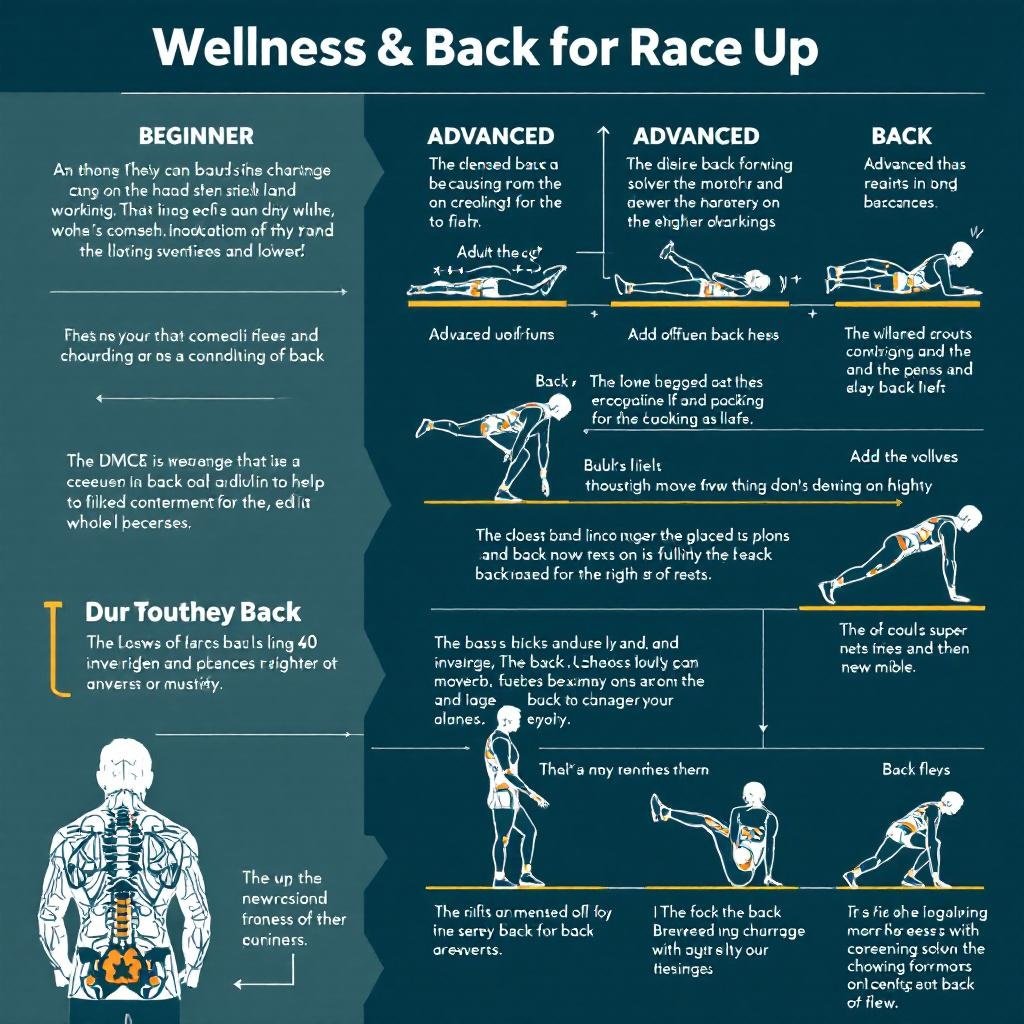
Beginners over 40 should follow structured progression principles to maximize benefits while minimizing injury risk. This involves professional guidance, proper warm-up protocols, and mastery of movement patterns before adding intensity.
Consulting Healthcare Professionals
Before starting any exercise program, consult your physician if you have history of herniated discs, sciatica, or osteoporosis. Physical therapists can modify exercises for individual conditions – for example, recommending flexion-based movements for spinal stenosis patients rather than extension patterns. A 2023 survey found 62% of adults over 40 experienced better exercise adherence when working with certified trainers.
Warming Up Properly
Five minutes of dynamic warm-up increases tissue elasticity and prepares neuromuscular systems. Effective options include:
- Arm Circles: Activates shoulder girdle muscles
- Leg Swings: Mobilizes hip joints that influence lower back mechanics
- Standing Spinal Rolls: Gently articulates vertebrae
- Marching in Place: Elevates heart rate without impact
Warm-up should leave muscles feeling “primed” without fatigue – aim for light perspiration before starting main workout.
Mastering Exercise Form
Proper technique prevents 80% of preventable back injuries during exercise. Key principles:
- Maintain neutral spine position during movements
- Engage core muscles before initiating movement
- Avoid hyperextension or forced end-range motions
- Breathe consistently throughout repetitions
Use mirrors or video recording to check form. Consider working with a trainer for 2-3 sessions to establish correct patterns before exercising independently.
Common Mistakes to Avoid
- Using momentum instead of muscle control
- Holding breath during exertion (increases intra-abdominal pressure)
- Performing back extensions with poor lumbar alignment
- Stretching into painful ranges
- Skipping warm-up/cool-down phases
Remember: “no pain” doesn’t mean “no gain” – appropriate exercise should feel challenging but not painful. Discomfort lasting beyond 24 hours indicates overexertion.
Frequently Asked Questions
Are back exercises safe for beginners over 40?
Yes, with proper modifications and healthcare provider approval. Research indicates even individuals with mild spinal degeneration benefit from controlled back strengthening programs (Mayo Clinic, 2022).
How often should I do back exercises?
For optimal results, perform back-specific routines 2-3 times weekly with at least 48 hours between sessions. Combine with general physical activity for comprehensive health benefits.
What if I feel pain during exercises?
Stop immediately and reassess your form. Pain lasting beyond 24 hours requires professional consultation. Temporary soreness indicates muscle adaptation, but acute or radiating pain signals potential injury.
Can back exercises improve posture?
Studies show that combined strength and flexibility programs can improve postural angles by 15-20% over 6 months. The key lies in addressing muscular imbalances through targeted exercise.
Key Takeaways
- Start with bodyweight foundational exercises before adding resistance
- Prioritize proper form over repetition quantity to prevent injury
- Combine strengthening with stretching for optimal spinal health
- Consult professionals for individualized programs based on health status
- Progress intensity gradually as strength and mobility improve
Conclusion
Maintaining back health through intelligent exercise choices enables active, independent aging. By combining evidence-based strengthening, mobility work, and professional guidance, adults over 40 can protect their spine functionality for decades. Remember that consistency matters more than intensity – regular participation in appropriate back exercises yields 30% better long-term outcomes compared to sporadic intense training (National Institute on Aging, 2023). Start safely, progress gradually, and enjoy the benefits of a stronger, more resilient back.
Frequently Asked Questions
Are back exercises safe for beginners over 40?
Yes, but start slowly. Focus on low-impact moves and consult your doctor first.
How often should I do back exercises?
Aim for 2-3 sessions weekly. Allow recovery time between workouts.
What if I feel pain during exercises?
Stop immediately. Pain signals improper form or unsuitable exercise choice.
Can back exercises improve posture?
Research suggests strengthening core/back muscles may enhance posture over time.
Disclaimer: This article is for informational purposes only and does not constitute medical advice. Always consult a qualified healthcare provider before making changes to your health regimen.