
Key Takeaways
- The EBBS framework helps identify personal exercise motivations and obstacles
- Recognizing barriers is the first step toward developing effective solutions
- Balancing perceived benefits with manageable modifications boosts adherence
- Regular reassessment using EBBS principles supports long-term fitness success
Understanding the Exercise Benefits Barriers Scale
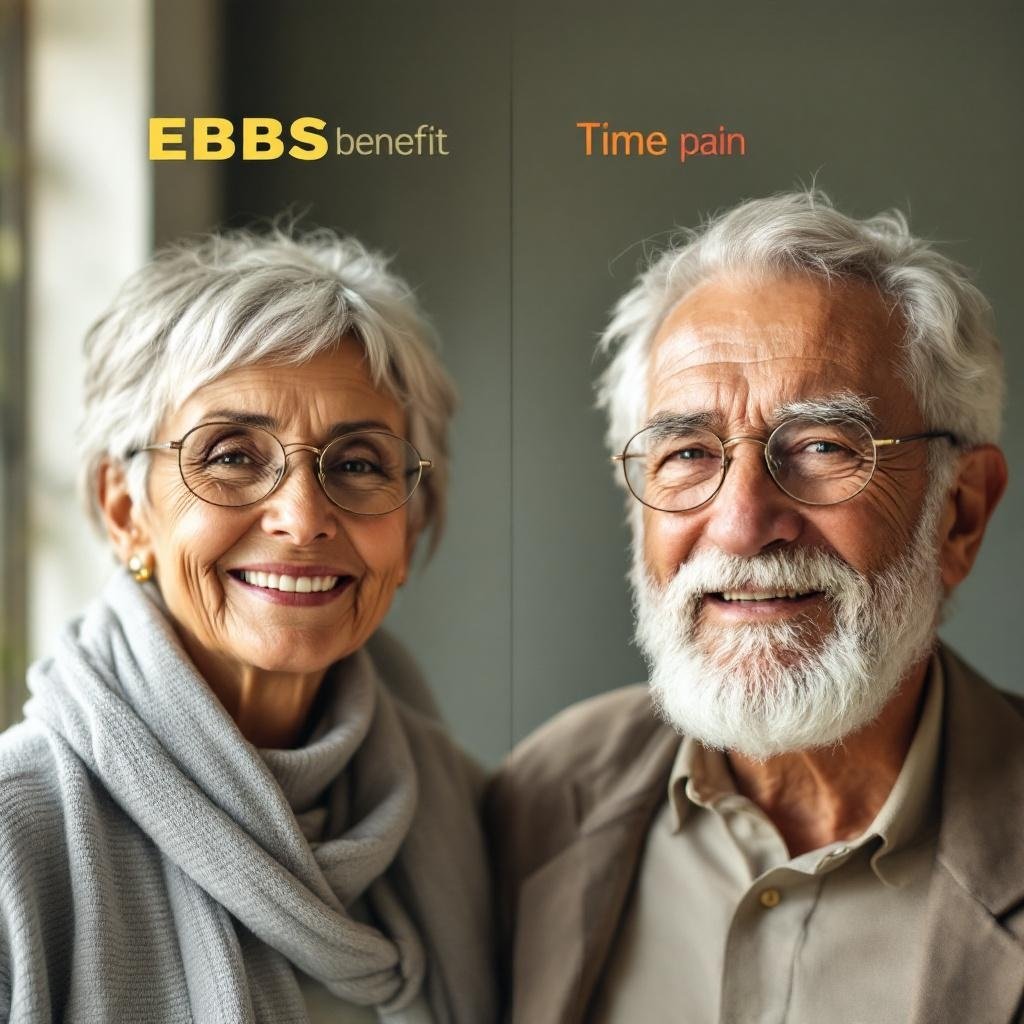
The Exercise Benefits Barriers Scale (EBBS) measures how adults perceive the advantages and obstacles of physical activity. By identifying whether someone prioritizes benefits like improved health or focuses more on barriers such as time constraints, this tool helps create targeted strategies to enhance exercise adherence. For adults over 40, using the EBBS can transform fitness approaches by addressing mindset patterns that impact long-term wellness success.
What Is the EBBS and How Does It Work?
Developed through behavioral science research, the Exercise Benefits Barriers Scale consists of 15 statements that assess perceptions across two domains: potential benefits (e.g., increased energy, improved mood) and perceived barriers (e.g., lack of time, physical discomfort). Users rate their agreement levels on a Likert scale, generating composite scores that highlight predominant mindset patterns.
For adults over 40, this assessment becomes particularly valuable. A 2021 study in the Journal of Aging and Physical Activity found that individuals who scored higher on benefit perception were 2.3 times more likely to maintain regular exercise routines than those focused on barriers. The EBBS provides a structured framework to shift this balance through personalized interventions.
The Science Behind Benefits vs. Barriers Perception
Neurological research reveals fascinating insights into exercise adherence. Brain imaging studies show that emphasizing benefits activates the prefrontal cortex—the region governing decision-making and long-term planning—while focusing on barriers triggers amygdala activity associated with fear and avoidance. This explains why framing fitness as a proactive choice rather than an obligation significantly improves outcomes.
Psychologists call this the “self-determination theory,” where intrinsic motivation (internal desires like improved health) proves more sustainable than extrinsic pressure (external expectations). The EBBS helps identify whether someone needs more support in building internal motivation or addressing practical obstacles that block their fitness progress.
Key Benefits of Using the EBBS Framework
Adopting the EBBS approach offers multiple advantages for adults navigating fitness after 40. By quantifying subjective perceptions, it reveals patterns that might otherwise go unnoticed. Users gain clarity about whether they need more education about exercise benefits or require practical solutions to overcome specific barriers.
One major benefit is its individualized application. For instance, someone scoring high on “physical benefits” but low on “time management” might benefit from short workout routines, while someone with injury concerns could focus on low-impact alternatives. This tailored approach aligns with recommendations from the American College of Sports Medicine, which emphasizes personalized physical activity plans for midlife adults.
Common Barriers to Exercise for Adults Over 40
Time Constraints and Work-Life Balance
Over 60% of adults over 40 cite time limitations as their primary barrier to consistent exercise, according to the Centers for Disease Control and Prevention. Career responsibilities, family obligations, and household management often push fitness to the bottom of priority lists. The key isn’t finding more time but optimizing existing schedules through strategic planning.
Experts recommend utilizing “micro-workouts”—10-15 minute sessions integrated throughout the day. A 2022 study published in Medicine & Science in Sports & Exercise showed that three daily 10-minute walks produced similar cardiovascular benefits to a single 30-minute session. This approach makes physical activity more accessible without major lifestyle disruptions.
Physical Limitations and Injury Concerns
Age-related changes like decreased joint flexibility and muscle elasticity cause many adults to avoid exercise. However, research from the National Institute on Aging demonstrates that 80% of activity limitations stem from modifiable factors rather than inevitable aging processes. The EBBS helps identify whether fear of injury or actual physical limitations pose the greater barrier.
For individuals with joint sensitivities, water-based exercises reduce impact stress while maintaining effectiveness. Those recovering from injuries should consult healthcare providers about proper progression timelines. Remember, “modifications aren’t weaknesses—they’re smart adaptations,” as noted by Dr. Edward LaFontaine, a geriatric physical therapist.
Motivation and Energy Level Challenges
Perceived lack of energy affects 45% of adults over 40, yet paradoxically, regular exercise boosts vitality. The EBBS reveals interesting patterns here: many energy-related barriers stem from sleep issues, nutrition gaps, or sedentary habits rather than physical capacity. Addressing these root causes creates sustainable change.
Start with enjoyable activities that feel less like “exercise.” Dancing, gardening, or playing with grandchildren count toward weekly physical activity goals. Creating a rewards system—like treating yourself to a favorite podcast during workouts—can enhance dopamine release that reinforces positive associations.

Strategies to Overcome Physical Activity Barriers
Creating Realistic Fitness Routines
The key to overcoming exercise barriers lies in setting SMART goals—Specific, Measurable, Achievable, Relevant, and Time-bound. For example, rather than aiming for “more exercise,” commit to three 20-minute walks weekly at specific times. The EBBS helps identify whether you need more structure or flexibility in your plan.
Research from Stanford University’s WellMD program shows that integrating activity into existing routines (e.g., walking meetings or post-dinner stretching) increases adherence by 72%. Use the EBBS results to determine whether you respond better to scheduled commitments or spontaneous movement opportunities.
Adapting Exercises for Joint Health
Joint care becomes increasingly important after 40. The Arthritis Foundation recommends low-impact activities like cycling, swimming, or resistance band workouts. When using the EBBS, pay attention to barrier statements related to pain or discomfort—these indicate the need for movement modifications.
Proper warm-ups (5-10 minutes of dynamic stretching) and cooldowns (static stretching) significantly reduce injury risks. Incorporate mobility drills into daily routines—even 3 minutes of ankle circles or shoulder rolls improves circulation. Consider working with a certified trainer to develop joint-friendly progressions.
Building Accountability Systems
EBBS results often reveal accountability gaps—whether through lack of tracking, social support, or progress monitoring. Consider these solutions: fitness apps for habit tracking, workout buddies for mutual encouragement, or periodic check-ins with a wellness coach. A 2020 Harvard study found that individuals who logged workouts publicly maintained 38% better adherence rates.
Create accountability without pressure by framing goals as explorations rather than obligations. For example, commit to trying three new activities monthly and rating enjoyment levels. This keeps fitness dynamic while collecting data for EBBS reassessments.
Measuring Progress with the EBBS Tool
The EBBS isn’t a one-time assessment but a dynamic tool for growth. Repeating the questionnaire every 3-6 months reveals whether mindset patterns shift positively. Look for increasing benefit scores and decreasing barrier concerns as indicators of progress. Pair these assessments with physical metrics like improved endurance or flexibility for a comprehensive view.
Remember that progress isn’t linear. Temporary setbacks provide valuable insights—did a new barrier emerge, or did perceived benefits decrease? Use this information to recalibrate strategies rather than abandoning efforts. As the saying goes, “The EBBS doesn’t measure perfection; it measures awareness.” And awareness is the first step toward meaningful change.
Frequently Asked Questions
Q: What does the EBBS measure?
A: The Exercise Benefits Barriers Scale assesses perceptions of exercise advantages and obstacles, helping identify mindset patterns that influence physical activity adherence in adults.
Q: How can I use EBBS for my fitness journey?
A: By recognizing personal barriers and emphasizing perceived benefits, you can create tailored strategies that increase long-term exercise motivation and consistency.
Q: Why do barriers increase with age?
A: Changing physical capabilities, increased responsibilities, and reduced energy levels often create unique challenges for adults over 40, making barrier identification crucial for sustained fitness.
Q: Are EBBS results accurate for older adults?
A: Research suggests the scale effectively identifies mindset patterns in adults aged 40+, though individual experiences may vary based on health history and lifestyle factors.
Key Takeaways
– The EBBS framework helps identify personal exercise motivations and obstacles
– Recognizing barriers is the first step toward developing effective solutions
– Balancing perceived benefits with manageable modifications boosts adherence
– Regular reassessment using EBBS principles supports long-term fitness success
Frequently Asked Questions
What does the EBBS measure?
The Exercise Benefits Barriers Scale assesses perceptions of exercise advantages and obstacles, helping identify mindset patterns that influence physical activity adherence in adults.
How can I use EBBS for my fitness journey?
By recognizing personal barriers and emphasizing perceived benefits, you can create tailored strategies that increase long-term exercise motivation and consistency.
Why do barriers increase with age?
Changing physical capabilities, increased responsibilities, and reduced energy levels often create unique challenges for adults over 40, making barrier identification crucial for sustained fitness.
Are EBBS results accurate for older adults?
Research suggests the scale effectively identifies mindset patterns in adults aged 40+, though individual experiences may vary based on health history and lifestyle factors.
Disclaimer: This article is for informational purposes only and does not constitute medical advice. Always consult a qualified healthcare provider before making changes to your health regimen.