

1-Minute Cardiovascular Briefing
HIIT for Heart Health After 40: The 4×4 Protocol
Cardiorespiratory fitness, measured as VO2 max, is the single strongest epidemiological predictor of all-cause and cardiovascular mortality. While low-intensity Zone 2 cardio builds a foundational capillary base, it takes short bouts of near-maximal cardiac effort (85% to 95% HRmax) to stimulate left ventricular eccentric remodeling and expand stroke volume. For adults past 40, executing just 1 to 2 weekly sessions of low-impact interval training (such as the Norwegian 4×4 protocol on a stationary bike or incline treadmill) boosts VO2 max by 10% to 15% in 8 weeks while safeguarding joint longevity.
After age 40, natural arterial stiffening, declining stroke volume, and gradual loss of cardiac compliant elastin reduce cardiorespiratory capacity by roughly 10% per decade. Left unaddressed, this decline limits physical stamina, elevates resting blood pressure, and significantly increases long-term risk of heart failure with preserved ejection fraction (HFpEF).
Incorporating hiit for heart health after 40 offers the most potent stimulus known to modern exercise cardiology to halt and reverse this structural decline. By strategically loading the cardiovascular system with structured intervals followed by active recovery, mature adults can safely expand heart chamber filling capacity, dramatically boost mitochondrial biogenesis, and achieve elite functional vitality.
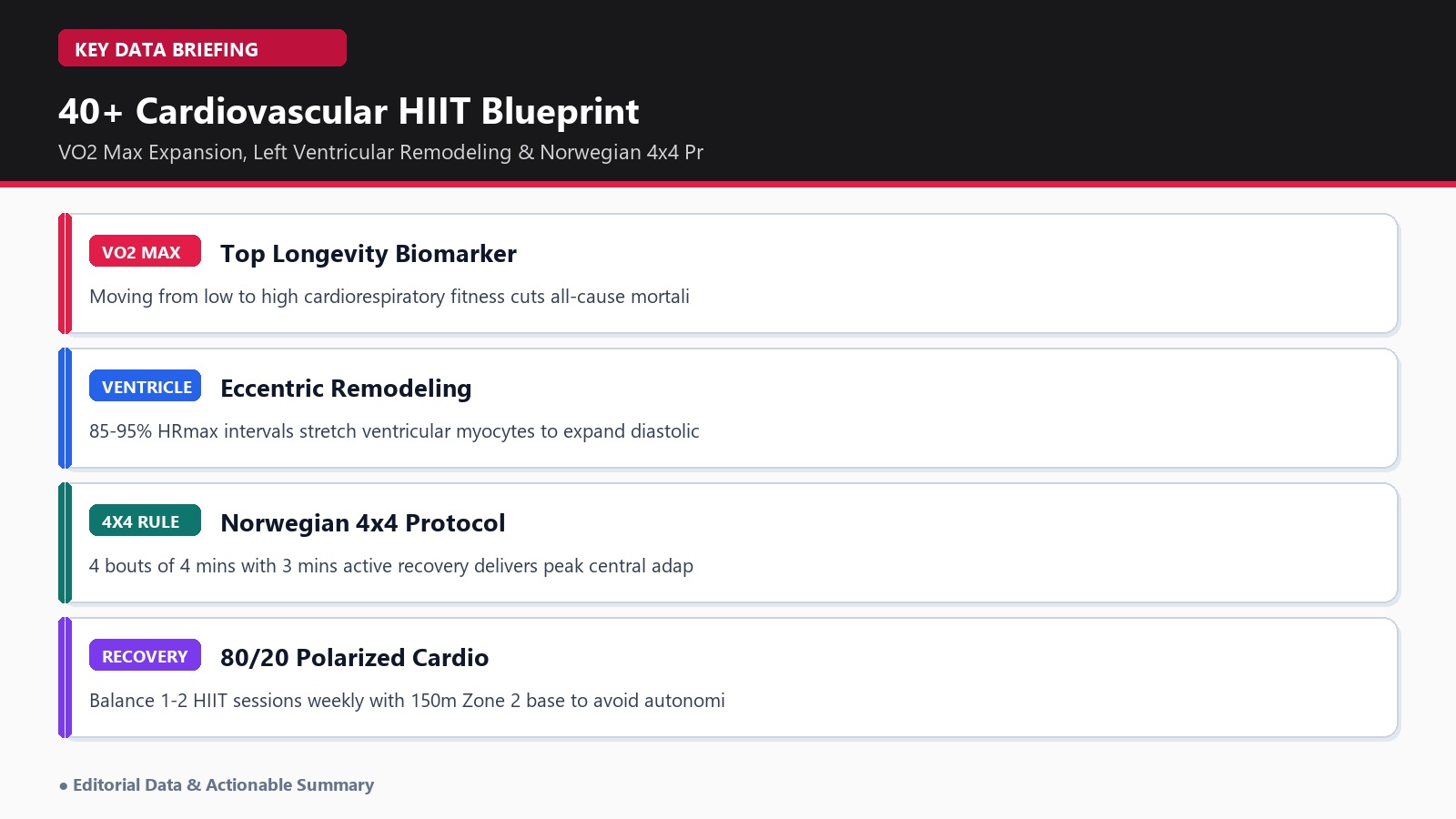
Figure 1: Cardiac Adaptations, Left Ventricular Remodeling, and the Norwegian 4×4 Protocol.
Cardiovascular Modalities: HIIT vs. Zone 2 vs. Moderate Cardio
The table below evaluates the primary cardiovascular training modalities across VO2 max expansion, cardiac structural remodeling, time efficiency, and orthopedic safety for adults over 40.
| Training Modality | Target Intensity & Heart Rate | VO2 Max & Stroke Volume Impact | 40+ Orthopedic & Recovery Profile |
|---|---|---|---|
| HIIT (Norwegian 4×4 Protocol) | 85% to 95% HRmax intervals (4 min on, 3 min active rest) | +10% to +15% VO2 max surge; stretches left ventricle to increase end-diastolic volume | Highly efficient (30 min total); requires low-impact modalities (bike, rower, incline) |
| Zone 2 Steady-State Cardio | 60% to 70% HRmax (lactate < 2.0 mmol/L, conversational pace) | Builds mitochondrial density, fat oxidation, and capillarization; modest VO2 max ceiling | Minimal recovery cost; can be performed 3-4 times per week safely |
| Moderate Intensity (MICT / Jogging) | 70% to 80% HRmax (“grey zone” aerobic tempo) | Moderate aerobic maintenance; insufficient peak stimulus for stroke volume expansion | Repetitive pavement impact creates high joint stress on knees and hips after 40 |
| Sedentary / Light Steps Only | <50% HRmax (casual walking, household chores) | VO2 max declines ~10% per decade; progressive left ventricular stiffening | Zero cardiac fatigue; leads to long-term arterial rigidity and frailty |

Figure 2: Peak interval training safely drives cardiac remodeling when structured with controlled rest intervals.
1. The Longevity Metric: Why VO2 Max Outranks All Other Biomarkers
In landmark epidemiological research published in JAMA Network Open examining over 122,000 patients undergoing treadmill exercise testing, cardiorespiratory fitness demonstrated a direct, dose-dependent inverse association with all-cause mortality. Moving from the lowest fitness quintile to the top quartile slashed all-cause mortality risk by an unprecedented 500% (hazard ratio 5.0).
VO2 max reflects the maximum volume of oxygen your body can extract from the air, transport through the bloodstream via the heart and lungs, and utilize in active muscle mitochondria. After age 40, your VO2 max serves as the physiological ceiling for your functional independence:
- The Functional Independence Reserve: Routine daily activities (such as carrying heavy groceries, climbing multiple flights of stairs, or hiking) require a baseline VO2 of roughly 18 to 22 mL/kg/min. Building a high peak in your 40s and 50s guarantees decades of vigorous mobility in your 70s and 80s.
- Endothelial Nitric Oxide Surge: High-shear laminar blood flow during intense intervals triggers endothelial nitric oxide synthase (eNOS), keeping coronary and systemic arteries flexible.
- Rapid Glucose Clearing: Maximal cardiac output recruits muscle GLUT4 transporters independent of insulin, providing immediate glycemic control.
2. Left Ventricular Remodeling: Stretching the Stiff Aging Myocardium
The primary limiting factor of VO2 max is not the lungs or peripheral muscles—it is the heart’s stroke volume (the volume of blood pumped per beat). As we age, collagen cross-linking and chronic high blood pressure cause concentric remodeling, where the left ventricular wall thickens inward, shrinking the chamber cavity and reducing diastolic filling capacity.
To counteract this stiffening, exercise cardiologists at the Norwegian University of Science and Technology (NTNU) proved that sustained intervals at 85% to 95% of maximum heart rate induce eccentric left ventricular remodeling. Under this high stroke volume demand:
The Myocardial Adaptation Cascade
1. Increased End-Diastolic Volume: Venous return stretches myocytes, increasing the chamber size so the heart can fill with more oxygenated blood between contractions.
2. Enhanced Elastic Recoil: Restores the diastolic “suction” force of the left ventricle, allowing the heart to fill rapidly without raising pulmonary pressures.
3. Lower Resting Heart Rate: Because each beat delivers significantly more blood, the heart does not need to beat as frequently at rest, preserving cardiac wear-and-tear.
3. The 4×4 Protocol: Low-Impact Implementation for 40+ Adults
The gold-standard research-backed interval prescription is the Norwegian 4×4 protocol. Rather than chaotic 20-second all-out sprints (which rely purely on the phosphagen system and pose hamstring or Achilles injury risks), 4-minute intervals specifically target central cardiovascular hemodynamics:
1
Warm-Up (10 Minutes): Low-intensity aerobic movement gradually raising heart rate to 60–70% HRmax.
2
Interval 1 (4 Minutes): Work at 85% to 95% HRmax. You should be breathing heavily and unable to speak more than a couple of disjointed words (“talking test”).
3
Active Recovery 1 (3 Minutes): Do NOT stop moving. Pedal, walk, or row slowly at ~60% to 70% HRmax to flush blood lactate and maintain venous return.
4
Repeat (Rounds 2, 3 & 4): Complete a total of four 4-minute work intervals interspersed with three 3-minute active recovery periods.
5
Cool-Down (5 Minutes): Easy spinning or light ambulation bringing heart rate down below 100 bpm before exiting the machine.
Joint Preservation Tip: To avoid orthopedic overuse injuries to hips, knees, and ankles after 40, perform the 4×4 protocol using low-impact, high-power modalities: a steep treadmill incline (10–15% at 5.5–6.5 km/h), a Concept2 rowing machine, an Airdyne assault bike, or a stationary magnetic spin cycle.
4. Recovery Kinetics & Autonomic Safeguards: Avoiding Overtraining
More is not better when it comes to high-intensity cardiovascular training after 40. True high-intensity work places acute demand on the sympathetic nervous system and adrenal axis. Attempting HIIT three or four times per week often leads to chronic sympathetic overdrive, elevated resting heart rate, suppressed heart rate variability (HRV), and blunted sleep architecture.
- The Golden 80/20 Cardiovascular Split: Dedicate 80% of your weekly aerobic volume to steady-state Zone 2 training (150 to 180 minutes), and restrict HIIT to just 20% (one or two 30-minute sessions maximum).
- Track Heart Rate Recovery (HRR): Check how many beats your heart rate drops in the first 60 seconds after completing your final interval. A drop of 25 to 30+ bpm indicates excellent vagal nerve reactivation and cardiovascular reserve.
- Cardiologist Clearance First: Adults over 40 initiating high-intensity training who have been previously sedentary, smoke, or possess cardiovascular risk factors (elevated ApoB, family history of premature CAD) should undergo a baseline coronary calcium scan (CAC) and exercise stress test.
The 7-Day Cardiovascular Longevity Blueprint
Monday: Zone 2 Cardio (45 mins stationary bike or brisk incline walk, HR 60-70% max)
Tuesday: Full-Body Compound Resistance Training (45 mins)
Wednesday: HIIT Session 1: Norwegian 4×4 Protocol (30 mins on stationary bike or rower)
Thursday: Active Recovery (8,000+ daily steps, light stretching or sauna)
Friday: Zone 2 Cardio (45-60 mins brisk outdoor trail walk or cycling)
Saturday: Full-Body Compound Resistance Training (45 mins)
Sunday: Complete Rest or Optional 30 mins gentle Zone 2 stroll
Frequently Asked Questions
Is HIIT safe for heart health in adults over 40 or 50?
Yes, when structured with appropriate warm-ups and low-impact modalities. In fact, clinical trials conducted on cardiac rehabilitation patients with stable coronary artery disease found the Norwegian 4×4 protocol to be safer and more effective at improving ventricular function than continuous moderate jogging. However, adults with unmanaged hypertension or arrhythmias must obtain physician clearance before starting.
How do I accurately calculate my 85% to 95% target heart rate?
While the standard “220 minus age” formula gives a rough approximation, the Tanaka formula (208 − [0.7 × age]) is significantly more accurate for adults over 40. For a 45-year-old, estimated max HR is 176 bpm; an 85% to 95% target zone translates to 150 to 167 bpm. A chest-strap monitor provides the most reliable real-time tracking during intervals.
Can I substitute HIIT entirely for Zone 2 cardio?
No. HIIT and Zone 2 trigger complementary but distinct physiological adaptations. Zone 2 training specifically increases capillary density and develops slow-twitch Type I muscle fibers to maximize fat oxidation. HIIT stimulates left ventricular stretch and central cardiac output. Skipping Zone 2 compromises your aerobic foundation and creates chronic autonomic fatigue.
How quickly will I see improvements in VO2 max from the 4×4 protocol?
Clinical studies consistently document measurable increases of 8% to 15% in VO2 max within 6 to 8 weeks of completing two 4×4 sessions per week. Participants typically notice lower resting heart rates, faster heart rate recovery post-exercise, and significantly reduced breathlessness when climbing stairs within the first three weeks.
Medical Disclaimer: This article is published for educational and longevity research purposes only and does not constitute medical advice or clinical diagnosis. Always consult a board-certified cardiologist or sports medicine physician before undertaking high-intensity cardiovascular exercise, especially if you have known cardiovascular risk factors or preexisting medical conditions.