
1-Minute Cardiometabolic Briefing
Mediterranean Diet for Longevity After 40: The PREDIMED Standard
Beyond general lifestyle folklore, the cardioprotective potency of the Mediterranean diet hinges on specific polyphenol pharmacokinetics and lipid biochemistry. The landmark PREDIMED trial (NEJM) (7,447 participants) demonstrated a 30% reduction in major cardiovascular events (MACE) specifically when diets were enriched with at least 50 mL of high-phenolic extra virgin olive oil (EVOO) or 30 grams of mixed tree nuts daily. After 40, these specific biophenols (hydroxytyrosol, oleocanthal) blunt endothelial LDL oxidation, boost flow-mediated vasodilation, and cultivate gut Akkermansia muciniphila to compress biological aging.
For years, popular media has celebrated the Mediterranean diet as the world’s best dietary pattern. However, conventional coverage frequently waters down the science into vague platitudes: eat more vegetables, cook with olive oil, and drink red wine. In clinical reality, generic adherence without strict attention to biophenol concentration and fatty acid profiles yields little therapeutic benefit.
Executing an evidence-based mediterranean diet for longevity after 40 requires treating food components as active biological response modifiers. By targeting subendothelial lipoprotein retention, suppressing vascular cell adhesion molecules (VCAM-1), and modulating the gut-heart axis, mature adults can systematically halt atherosclerosis and safeguard cognitive and cardiovascular longevity.
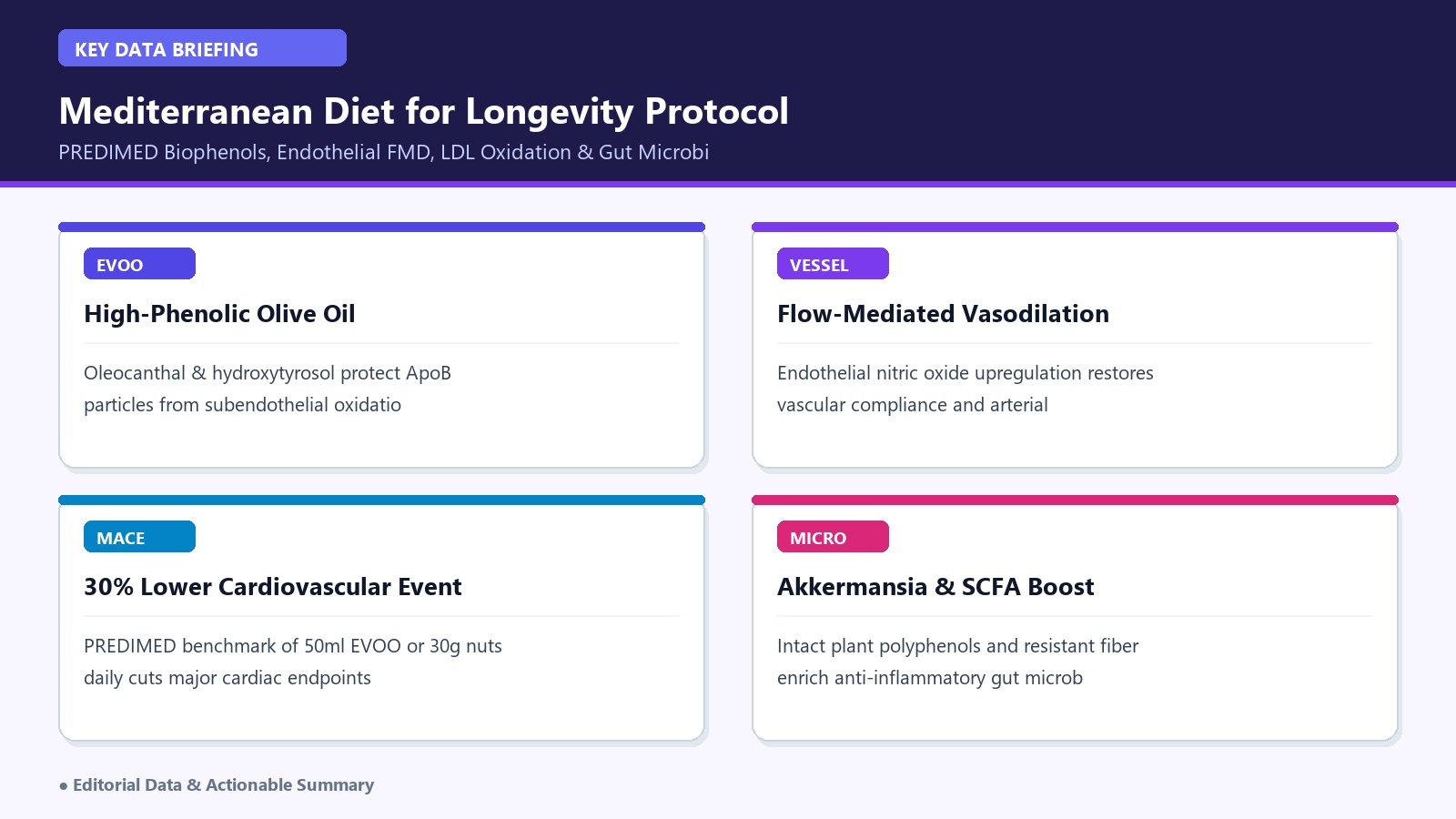
Figure 1: Pharmacokinetics of Mediterranean Biophenols and Cardiometabolic Endothelial Protection.
Dietary Patterns Compared: Mediterranean vs. Western vs. Extreme Diets
The table below evaluates a high-polyphenol Mediterranean dietary pattern against other prominent diets across vascular endothelial function, lipoprotein oxidation, microbiome diversity, and long-term cardiovascular outcomes.
| Dietary Model | Endothelial Flow-Mediated Dilation | Lipoprotein & ApoB Oxidation (oxLDL) | Cardiovascular Risk (5-Year MACE) |
|---|---|---|---|
| High-Phenolic Mediterranean (PREDIMED) | Significant improvement (+2.5% to +3.8% FMD within 12 weeks) | Hydroxytyrosol protects LDL particles from oxidative modification | -30% reduction in stroke, myocardial infarction, and cardiovascular death |
| Standard Western Diet (SAD) | Severe endothelial dysfunction; postprandial flow impairment | High oxLDL and advanced glycation end-products (AGEs) | Baseline reference (highest incidence of premature coronary events) |
| Ultra-Low-Fat Vegan (Ornish Style) | Moderate improvement in vascular tone; lowers total LDL | Low total particles, but may elevate triglycerides and reduce HDL | Effective in strict clinical trials; challenging long-term compliance |
| Strict Carnivore / High Saturated Fat | Fasting insulin drops; acute postprandial FMD often blunted | ApoB and LDL-P surge 50-150%; potential subendothelial deposition | Unknown long-term MACE data; lacks protective polyphenols & fiber |

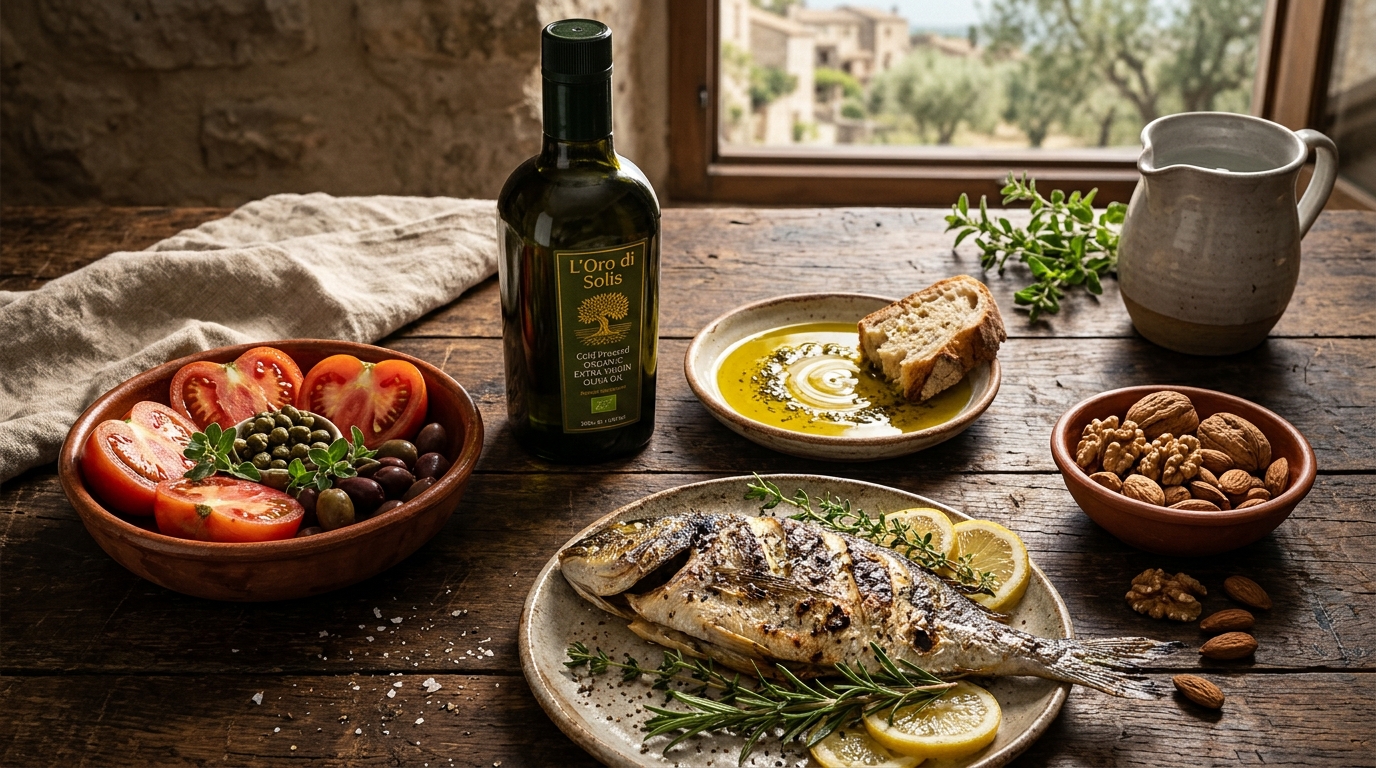
Figure 2: Daily incorporation of whole, unrefined Mediterranean staples fosters metabolic vitality past 40.
1. The PREDIMED Evidence: Why High-Phenolic EVOO is Mandatory
Published in the New England Journal of Medicine, the PREDIMED trial stands as the definitive clinical intervention assessing cardiovascular primary prevention. Over 7,400 older adults at high cardiovascular risk were randomized into three groups: a Mediterranean diet supplemented with extra virgin olive oil (≥50 g/day), a Mediterranean diet supplemented with mixed nuts (30 g/day), or a low-fat control diet.
The trial was halted early due to overwhelming efficacy: both Mediterranean groups experienced a statistically significant 30% relative risk reduction in major cardiovascular events compared to the low-fat cohort. The active driving force was not merely the monounsaturated oleic acid, but the bioactive phenolic fraction:
- Oleocanthal (Nature’s Ibuprofen): Directly inhibits cyclooxygenase enzymes (COX-1 and COX-2) in a dose-dependent manner identical to ibuprofen, calming chronic sterile vascular inflammaging without gastrointestinal toxicity.
- Hydroxytyrosol (The Free-Radical Sponge): One of the most potent known biological antioxidants. It incorporates directly into circulating LDL particles, preventing the oxidative modification that transforms benign lipoproteins into atherogenic foam-cell triggers.
- Total Polyphenol Minimum: To achieve clinical cardioprotection, seek EVOO containing at least 250 mg/kg of certified biophenols (certified under EU Commission Regulation 432/2012).
2. Endothelial FMD & Halting the Atherosclerotic Plaque Cascade
Atherosclerosis does not begin with high cholesterol; it begins with endothelial injury. The vascular endothelium is a monolayer of cells lining your arteries that regulates vascular tone, prevents blood clot formation, and shields deeper layers from inflammatory infiltration.
When endothelial nitric oxide (eNOS) production falls with age, the artery loses its ability to dilate in response to blood flow—a deficit measurable via Flow-Mediated Dilation (FMD). The Mediterranean dietary matrix:
Endothelial Protection Mechanisms in Mature Adults
1. Restores eNOS Bioavailability: Polyphenols and l-arginine from walnuts and dark leafy greens stimulate continuous nitric oxide synthesis, lowering resting systolic pressure.
2. Downregulates VCAM-1 & ICAM-1: Inhibits adhesion molecules that recruit circulating monocytes into arterial walls, preventing early fatty streak formation.
3. Preserves Glycocalyx Integrity: The delicate sugar-protein gel lining inside blood vessels is protected from degradation caused by postprandial glucose spikes.
3. The Fermentable Fiber & Gut-Cardiovascular Axis
A core reason the Mediterranean diet outperforms low-fat approaches is its unmatched diversity of prebiotic dietary fibers. Consuming legumes, artichokes, onions, garlic, and wild greens provides over 30 to 45 grams of fermentable non-digestible carbohydrates daily.
Colonic anaerobic bacteria ferment these fibers into short-chain fatty acids (SCFAs)—primarily acetate, propionate, and butyrate. These metabolites:
- Cultivate Akkermansia muciniphila: EVOO biophenols significantly increase the abundance of Akkermansia, thickening the intestinal mucin layer and preventing endotoxemia (leaky gut LPS translocation into systemic blood).
- Inhibit Hepatic Cholesterol Synthesis: Propionate directly inhibits hepatic HMG-CoA reductase, exerting a natural statin-like modulation on endogenous cholesterol production.
- Suppresses Plasma TMAO: Replacing red processed meat with small fatty fish (sardines, mackerel, anchovies) keeps plasma trimethylamine N-oxide (TMAO) low, preventing platelet hyper-reactivity.
4. The 2026 Mediterranean Longevity Plate: Daily Nutritional Rules
To replicate the clinical benefits of the PREDIMED study without falling into the “refined pasta and commercial bread” trap, adhere strictly to these core dietary standards:
1
The EVOO Foundation: Consume 3 to 4 tablespoons (45–50 mL) of certified cold-pressed extra virgin olive oil daily, poured raw over cooked dishes, salads, and vegetables. Never use refined industrial seed oils (canola, soybean, corn).
2
The Daily Nut Handful: Eat 30 grams of raw, unroasted tree nuts daily (specifically 15g walnuts for ALA omega-3s, 7.5g almonds, and 7.5g hazelnuts).
3
SMASH Seafood 3x Weekly: Prioritize Small, Low-Toxin, Fatty Fish (Salmon, Mackerel, Anchovies, Sardines, Herrings) providing 2 to 3 grams of marine EPA/DHA weekly to achieve an Omega-3 Index above 8%.
4
Legumes Over Grains: Replace refined wheat pastas and white rice with lentils, chickpeas, and cannellini beans. This provides a low-glycemic, high-protein plant matrix that eliminates postprandial glucose surges.
Frequently Asked Questions
Q1: Can I cook with extra virgin olive oil, or does heat destroy its benefits?
High-quality EVOO is exceptionally heat-stable. Thanks to its dominant monounsaturated oleic acid profile and dense antioxidant biophenol shield, EVOO exhibits superior oxidative stability compared to vegetable seed oils even at normal frying temperatures (up to 190°C / 375°F). However, pouring high-phenolic EVOO raw over foods right before serving ensures 100% preservation of heat-sensitive aromas and polyphenols.
Q2: Does the Mediterranean diet provide enough protein for adults over 40?
Traditional rural Mediterranean eating was lower in animal protein, but the modern clinical longevity adaptation emphasizes 1.4 to 1.6 grams of protein per kilogram of body weight. By incorporating wild SMASH fish, pastured eggs, Greek sheep yogurt, tempeh, lentils, and clean poultry, adults over 40 can easily hit optimal muscle protein synthesis thresholds without sacrificing cardiovascular benefits.
Q3: Is red wine mandatory for the cardiovascular benefits of the diet?
No. While moderate red wine was culturally present in Mediterranean epidemiological studies, recent mendelian randomization trials confirm that ethanol carries net cardiometabolic and carcinogenic risks that outweigh resveratrol’s minor antioxidant benefits. Non-drinkers should never start drinking; you can obtain far higher polyphenol doses from EVOO, capers, blackberries, and green tea without neurotoxic alcohol.
Q4: How quickly do blood pressure and lipid markers improve on this diet?
In clinical trials, measurable reductions in systolic blood pressure (3 to 6 mmHg) and significant decreases in oxidized LDL and high-sensitivity C-reactive protein (hs-CRP) appear within 4 to 8 weeks. Long-term arterial wall remodeling and improvements in carotid intima-media thickness typically consolidate over 12 to 24 months.
Medical Disclaimer: This article is published for educational and longevity research purposes only and does not constitute medical advice or clinical diagnosis. If you have preexisting cardiovascular disease, familial hypercholesterolemia, or take prescription cardiovascular medications, always consult your cardiologist or physician before making major dietary modifications.