
Clinical Cardiovascular & Lipid Longevity Protocol
How to Lower ApoB Without Statins Naturally: The 2026 Direct Clinical Protocol
Learning how to lower apob without statins naturally requires targeting hepatic LDL receptor clearance and intestinal sterol absorption rather than suppressing cholesterol synthesis alone. Clinical trials confirm that combining high-viscosity soluble fiber (psyllium husk 10-15g/day), standardized citrus bergamot (500-1,000mg/day), dietary saturated fat substitution (<6% of calories), and Zone 2 aerobic conditioning achieves a cumulative 20% to 35% reduction in circulating atherogenic ApoB particle count without pharmacological myalgia or transaminase elevation.
ApoB Optimal Target: <80 mg/dL (<60 high risk)
Soluble Fiber Drop: -10% to -15% ApoB particles
Citrus Bergamot BPF: -12% to -18% ApoB/LDL-P
Average Cumulative Drop: -22% to -34% in 12 Weeks
For decades, standard preventive cardiology focused almost exclusively on low-density lipoprotein cholesterol (LDL-C)—the total weight of cholesterol carried inside LDL particles. However, contemporary cardiovascular literature published in the Journal of the American College of Cardiology and endorsed by preventive lipidologists demonstrates that LDL-C frequently masks residual arterial risk. The true driving force behind atherosclerotic plaque formation is not the cholesterol cargo itself, but the absolute number of atherogenic particles circulating through the endothelium.
Every single atherogenic particle—including low-density lipoprotein (LDL), very low-density lipoprotein (VLDL), intermediate-density lipoprotein (IDL), and lipoprotein(a)—carries exactly one molecule of apolipoprotein B-100 on its surface. Consequently, measuring serum ApoB provides a direct 1:1 physical count of all potential plaque-building particles. For individuals who experience statin-associated muscle symptoms (SAMS), have mild baseline elevations, or seek non-pharmaceutical optimization, understanding how to lower apob without statins naturally provides a scientifically validated roadmap to arterial preservation.
Why ApoB Trumps LDL-C: Particle Count vs Cholesterol Concentration
To understand why ApoB is the ultimate biomarker of cardiovascular longevity, imagine blood circulation as a busy highway system. LDL-C measures the weight of passengers (cholesterol molecules) inside cars, whereas ApoB counts the total number of cars on the road. A patient can have “normal” LDL-C (e.g., 95 mg/dL) while harboring an extremely dense fleet of small, depleted LDL particles, resulting in a dangerous ApoB level exceeding 115 mg/dL. This clinical condition—known as lipid discordance—is common in individuals with metabolic syndrome, insulin resistance, or visceral adiposity.
When small dense LDL particles collide with arterial walls, their diminutive size allows them to penetrate the subendothelial space of coronary arteries far more readily than large buoyant particles. Once trapped inside the intima, ApoB undergoes oxidation, triggering monocyte recruitment, macrophage phagocytosis, foam cell formation, and progressive calcified plaque development. Because each atherogenic particle carries exactly one ApoB protein, lowering total circulating ApoB particles directly decreases the probability of endothelial collisions and plaque initiation.
Clinical Benchmark: The 2026 ApoB Longevity Thresholds
Modern longevity medicine and European Society of Cardiology (ESC) guidelines classify cardiovascular risk based on fasting serum ApoB:
• Optimal Longevity Target: <70 to 80 mg/dL (corresponds to the 20th percentile of population risk)
• High-Risk / Established Plaque Target: <55 to 60 mg/dL (halts or regresses calcified volume)
• Elevated Atherogenic Risk: >90 to 100 mg/dL (accelerates endothelial plaque deposition)
• Severe Risk: >120 mg/dL (mandates urgent comprehensive lifestyle or medical intervention)
• Optimal Longevity Target: <70 to 80 mg/dL (corresponds to the 20th percentile of population risk)
• High-Risk / Established Plaque Target: <55 to 60 mg/dL (halts or regresses calcified volume)
• Elevated Atherogenic Risk: >90 to 100 mg/dL (accelerates endothelial plaque deposition)
• Severe Risk: >120 mg/dL (mandates urgent comprehensive lifestyle or medical intervention)
The 4 Biological Levers of Non-Pharmaceutical ApoB Clearance
Unlike pharmaceutical statins, which primarily work by competitively inhibiting the intracellular enzyme HMG-CoA reductase in hepatocytes, a successful natural protocol orchestrates multiple biological clearance mechanisms simultaneously:
1. Hepatic LDL Receptor Upregulation: By accelerating bile acid elimination through the gastrointestinal tract, the liver is forced to convert internal cholesterol stores into replacement bile acids. To replenish hepatic cholesterol pools, hepatocytes increase surface expression of LDL receptors (LDLR), pulling ApoB particles out of peripheral circulation.
2. Competitive Sterol Absorption Blockade: Dietary and biliary cholesterol must be absorbed via the Niemann-Pick C1-Like 1 (NPC1L1) transporter in enterocytes. Introducing plant sterols competitively blocks NPC1L1 absorption sites, reducing the intestinal delivery of chylomicron remnants to the liver.
3. Saturated Fat Down-Regulation: Excess dietary saturated fatty acids (particularly palmitic acid C16:0 and myristic acid C14:0) downregulate hepatocyte LDL receptor recycling by stiffening cell membranes. Replacing saturated fats with monounsaturated and polyunsaturated fats restores fluid cell membrane dynamics and increases LDL receptor recycling speed.
4. Mitochondrial Fatty Acid Oxidation & VLDL Secretion Reduction: Sustained aerobic exercise in Zone 2 enhances skeletal muscle uptake of circulating free fatty acids, preventing hepatic steatosis and diminishing the overproduction of large, triglyceride-rich VLDL particles that eventually decay into atherogenic small dense LDL.
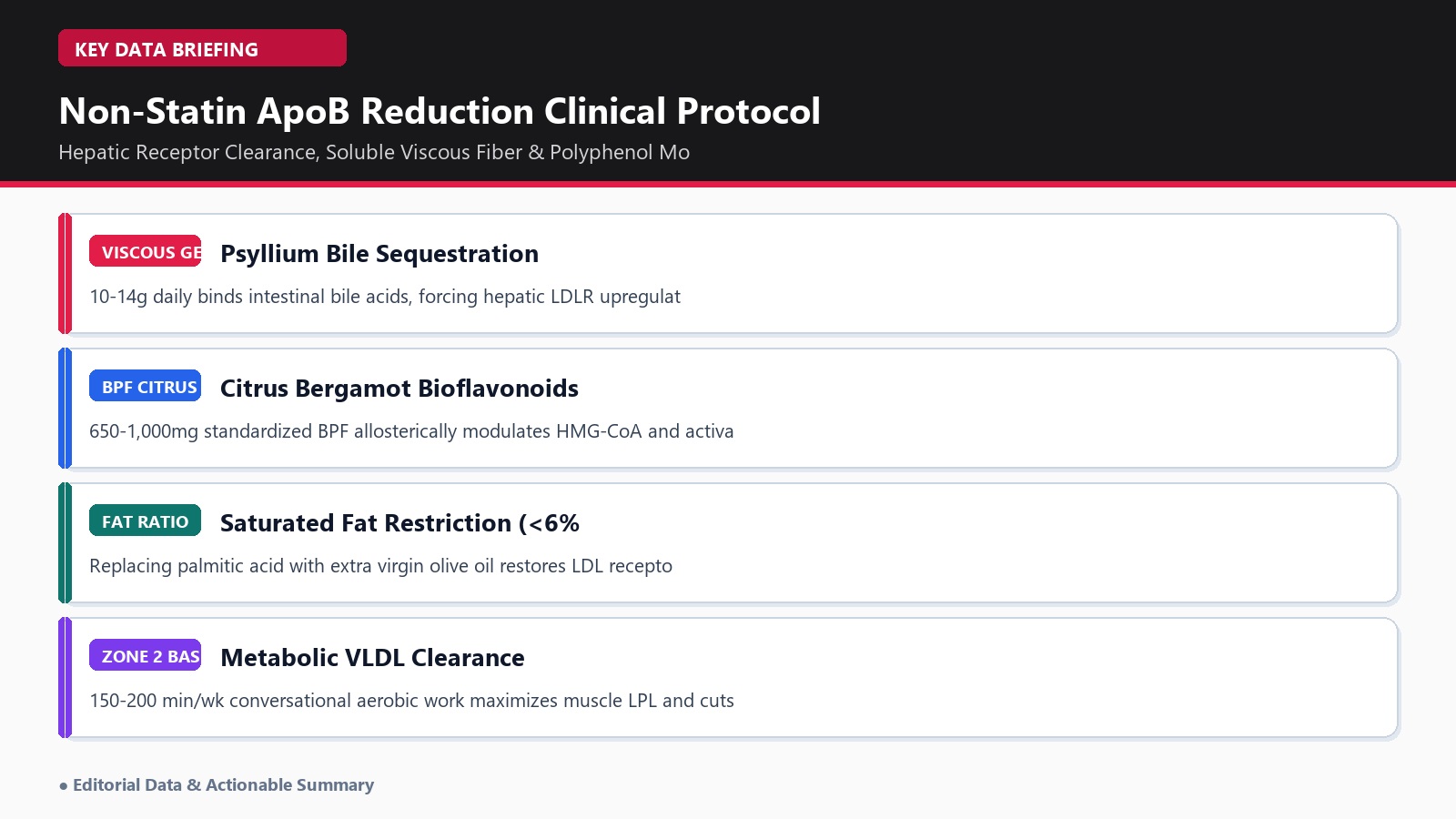
Figure 1: Comprehensive non-pharmaceutical clinical protocol for reducing circulating ApoB particle concentration and upregulating hepatic clearance.
The 4-Step Action Protocol to Lower ApoB Naturally
Executing this 4-step protocol systematically over an 8 to 12-week timeframe provides quantifiable drops in both total ApoB particle number and small dense LDL fraction:
Step 1: High-Viscosity Soluble Fiber Titration (10 to 15 Grams Daily)
Soluble viscous fibers—most notably psyllium husk, oat beta-glucan, and partially hydrolyzed guar gum (PHGG)—form an impenetrable viscous gel matrix within the small intestine. This gel physically sequesters bile acids, carrying them out in feces rather than allowing 95% enterohepatic reabsorption. In response, hepatocytes deplete intracellular cholesterol stores to synthesize new bile, stimulating a marked upregulation in surface LDL receptors.
Clinical Action: Begin with 5 grams (1 rounded teaspoon) of whole blond psyllium husk stirred vigorously into 12 ounces of cold water, consumed 15 minutes before your largest meal. After 10 days, increase to 10 grams daily (divided into 5g before lunch and 5g before dinner). Maintain generous total daily fluid intake (≥2.5 liters) to support gastrointestinal motility.
Step 2: Targeted Botanical Phytochemicals (Citrus Bergamot BPF & Plant Sterols)
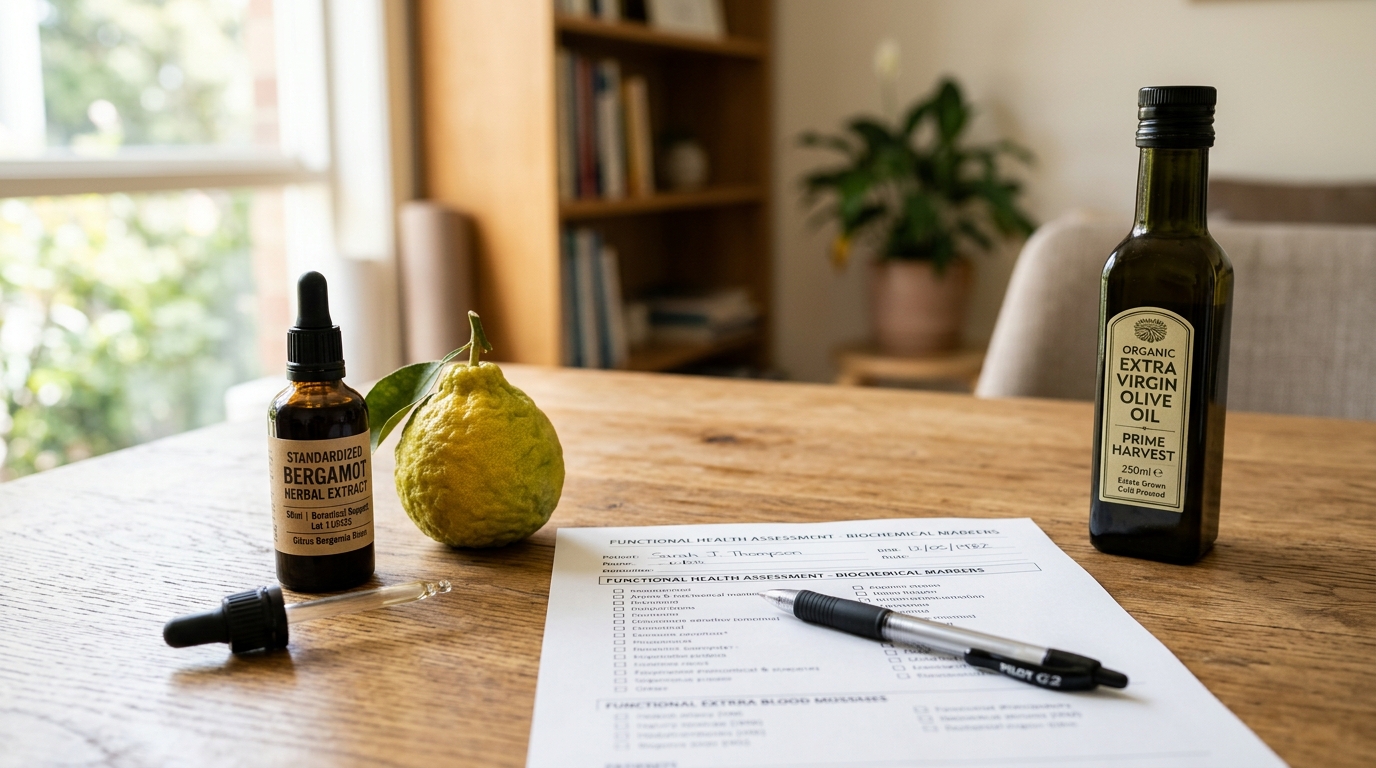
Standardized Citrus Bergamot Polyphenolic Fraction (BPF)—derived from the Calabrian citrus fruit (Citrus bergamia Risso)—contains concentrated flavonoid aglycones including brutieridin and melitidin. These unique bioflavonoids possess structural 3-hydroxy-3-methylglutaryl moieties that exert mild, physiological allosteric modulation of HMG-CoA reductase without the systemic myotoxicity of synthetic statins. Concurrently, supplementing 1.5 to 2.0 grams of non-esterified plant sterols/stanols competitively displaces cholesterol micellar incorporation.
Clinical Action: Administer 500mg to 1,000mg of standardized Citrus Bergamot extract (containing ≥38% to 40% total polyphenols) twice daily 30 minutes before morning and evening meals. Add 2 grams of plant sterol esters daily, taken alongside fat-containing foods to maximize micellar displacement.
Step 3: Strategic Dietary Lipid Substitution (The Saturated-to-MUFA Swap)
While broad dietary cholesterol has minimal impact on serum ApoB in 75% of the population, saturated fatty acid consumption is the single most potent dietary driver of elevated ApoB. In particular, long-chain saturated fats (palmitic, myristic, and lauric acids found in butter, coconut oil, heavy cream, and fatty cuts of beef) suppress hepatic LDL receptor mRNA transcription. Replacing saturated fats with high-polyphenol extra virgin olive oil (EVOO), avocados, and nuts drives profound particle clearance.
Clinical Action: Restrict saturated fat to less than 6% of total daily caloric intake (approximately 12 to 15 grams per day for a 2,000 kcal diet). Replace butter and tropical oils with 30ml to 45ml (2 to 3 tablespoons) of early-harvest high-polyphenol extra virgin olive oil rich in oleic acid and oleocanthal.
Step 4: Metabolic Clearance via Zone 2 Aerobic Conditioning & Resistance Work
Zone 2 aerobic exercise—defined as the exercise intensity where cellular lactate remains below 2.0 mmol/L and mitochondrial fat oxidation reaches maximum capacity (FatMax)—accelerates peripheral clearance of circulating triglyceride-rich lipoproteins. Zone 2 training stimulates skeletal muscle lipoprotein lipase (LPL) activity while increasing hepatic blood flow, aiding rapid receptor-mediated endocytosis of circulating ApoB particles.
Clinical Action: Accumulate 150 to 220 minutes per week of dedicated Zone 2 aerobic training (incline walking, cycling, or rowing at a conversational pace, approximately 65% to 75% of maximum heart rate), complemented by 2 full-body resistance training sessions weekly to preserve metabolic glycogen sinks.
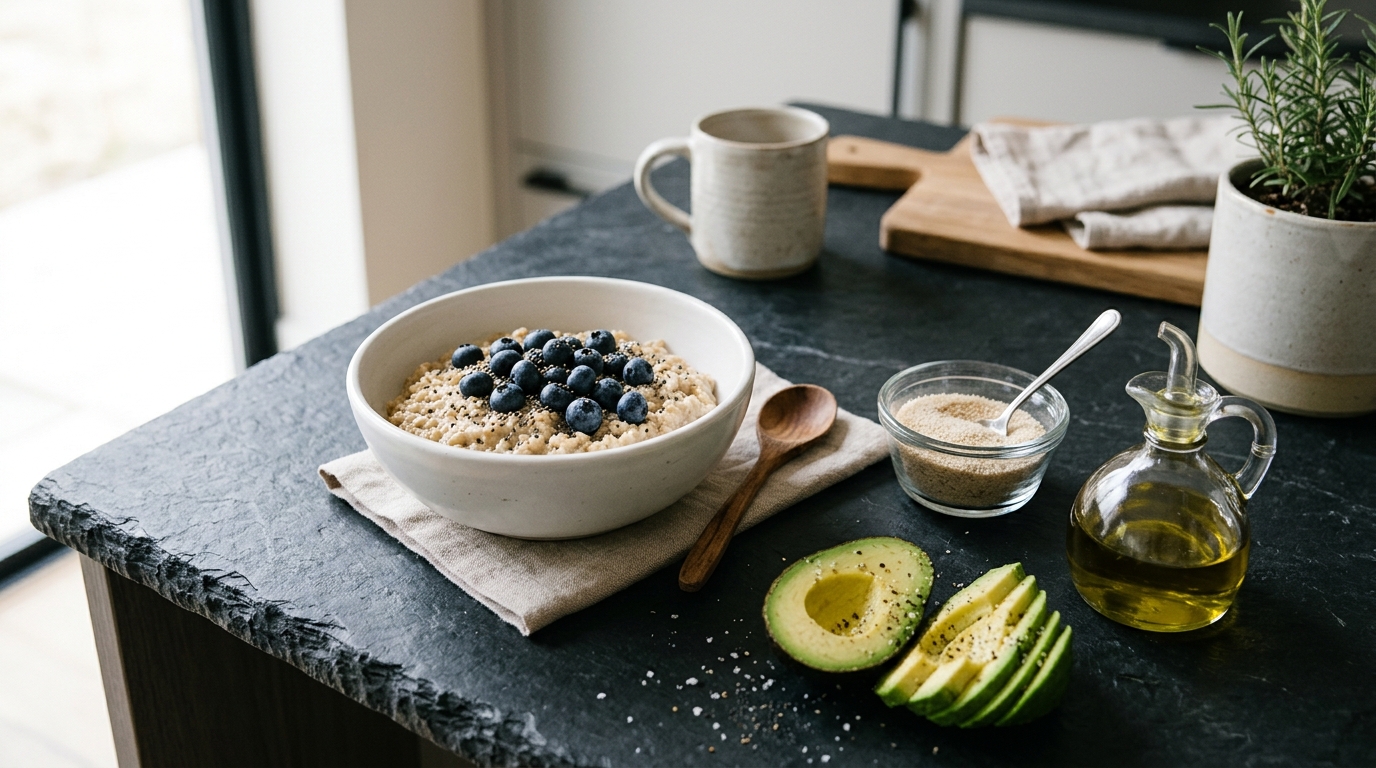
Figure 2: Daily adherence to high-viscosity soluble fibers, Mediterranean monounsaturated fats, and standardized polyphenols drives sustainable particle clearance.
Evidence Matrix: Natural Interventions vs ApoB Reduction Efficacy
The table below synthesizes peer-reviewed human clinical trials, detailing specific mechanisms, typical dosages, expected ApoB percentage reductions, and primary clinical targets:
| Intervention Strategy | Primary Biological Mechanism | Clinical Dosage Threshold | Expected ApoB Reduction |
|---|---|---|---|
| Psyllium Husk Soluble Fiber | Fecal bile acid sequestration & hepatic LDLR upregulation | 10g to 14g daily (divided doses) | -8% to -14% in 8 weeks |
| Citrus Bergamot Extract (BPF) | Mild allosteric HMG-CoA reductase modulation & AMP-kinase | 650mg to 1,000mg standardized | -12% to -18% in 12 weeks |
| Plant Sterols & Stanols | Competitive inhibition of intestinal NPC1L1 absorption | 2.0g daily with fat-containing meal | -7% to -11% in 6 weeks |
| Saturated Fat Restriction (<6%) | Prevents downregulation of hepatocyte LDL receptor mRNA | <14g daily (Swap to EVOO/avocado) | -10% to -22% (Hyper-responders) |
| Zone 2 Aerobic Training | Enhances skeletal LPL activity & decreases VLDL secretion | 150 to 200 min/week (<2.0 mmol/L) | -6% to -10% + Triglycerides -25% |
| Combined Synergy Protocol | Simultaneous synthesis, absorption, and receptor clearance | Full 4-Step Action Protocol | -22% to -35% Cumulative Drop |
Genetic Modifiers: The ApoE4 Genotype and Dietary Fat Sensitivity
Not every individual responds identically to dietary interventions. Approximately 20% to 25% of the global population carries at least one copy of the Apolipoprotein E epsilon-4 allele (ApoE4). In ApoE4 carriers, hepatic LDL receptors exhibit heightened sensitivity to dietary saturated fats. When an ApoE4 carrier adopts a high-fat ketogenic or carnivore diet rich in butter, tallow, and coconut oil, their circulating ApoB can spike dramatically—frequently exceeding 140 to 180 mg/dL within weeks.
Conversely, ApoE4 individuals are “hyper-responders” to saturated fat reduction. Replacing butter and animal fats with monounsaturated extra virgin olive oil and increasing soluble fiber leads to rapid, pronounced reductions in ApoB in this genotype. If your baseline ApoB remains stubbornly above 100 mg/dL despite a healthy appearance, determining your ApoE genotype via a simple genetic panel or direct lab assay provides vital clinical personalization.
Frequently Asked Questions (FAQ)
Q1: How fast can I expect to see my ApoB drop after starting natural interventions?
Hepatic LDL receptors adapt rapidly to dietary changes. Soluble fiber supplementation and saturated fat restriction initiate measurable changes in hepatic particle clearance within 14 to 21 days. However, establishing steady-state circulatory equilibrium requires consistent adherence for 8 to 12 weeks. Schedule follow-up blood work at the 12-week mark to accurately evaluate the clinical efficacy of your protocol.
Q2: What is the primary difference between ApoB and LDL-C on a blood test?
LDL-C measures the total weight of cholesterol enclosed within LDL particles (milligrams per deciliter), whereas ApoB counts the actual physical number of atherogenic particles in circulation. Because small, dense LDL particles carry very little cholesterol cargo yet are highly prone to arterial wall penetration, relying solely on LDL-C severely underestimates cardiovascular risk in metabolic syndrome and insulin resistance. ApoB provides an unambiguous 1:1 count of all atherogenic vehicles.
Q3: Can natural protocols lower ApoB enough for someone with existing coronary calcium (CAC > 0)?
Natural interventions typically achieve a 20% to 35% reduction in circulating ApoB particles. If a patient starts with an ApoB of 100 mg/dL, a 30% drop brings them to 70 mg/dL—a protective longevity level. However, for patients with advanced established disease, a positive coronary calcium score (CAC > 100), or familial hypercholesterolemia with baseline ApoB exceeding 150 mg/dL, combining natural lifestyle clearance with pharmaceutical therapies (such as low-dose statins, ezetimibe, or PCSK9 inhibitors) is often required to achieve secondary prevention targets under 55 mg/dL.
Q4: Does drinking filtered vs unfiltered French press coffee impact serum ApoB?
Yes, significantly. Unfiltered coffee methods—including French press, Turkish coffee, and boiled espresso—contain substantial amounts of cafestol and kahweol, diterpene compounds that act as potent agonists of the farnesoid X receptor (FXR) in the liver. This suppresses bile acid synthesis and shuts down hepatic LDL receptors, frequently increasing ApoB by 10% to 15%. Switching to paper-filtered drip or pour-over coffee traps diterpenes, preventing coffee-induced ApoB elevations.
Clinical References & Primary Sources:
1. Marston, N. A., et al. (2022). Predicting Benefit From Evolocumab by On-Treatment Apolipoprotein B and Low-Density Lipoprotein Cholesterol: A Secondary Analysis From the FOURIER Trial. Journal of the American College of Cardiology, 80(6), 577-586.
2. Mollace, V., et al. (2019). Hypoglycemic and hypolipemic effects of a novel Citrus bergamia extract in a clinical study: Role of AMP-kinase. Fitoterapia, 137, 104245.
3.
1. Marston, N. A., et al. (2022). Predicting Benefit From Evolocumab by On-Treatment Apolipoprotein B and Low-Density Lipoprotein Cholesterol: A Secondary Analysis From the FOURIER Trial. Journal of the American College of Cardiology, 80(6), 577-586.
2. Mollace, V., et al. (2019). Hypoglycemic and hypolipemic effects of a novel Citrus bergamia extract in a clinical study: Role of AMP-kinase. Fitoterapia, 137, 104245.
3.
Sniderman, A. D., et al. (2019). Apolipoprotein B Particles and Cardiovascular Risks: A Comprehensive Review. JAMA Cardiology, 4(12), 1287-1295.
4. Mach, F., et al. (2020). 2019 ESC/EAS Guidelines for the management of dyslipidaemias: lipid modification to reduce cardiovascular risk. European Heart Journal, 41(1), 111-188.
Medical Disclaimer: This article is for educational and clinical informational purposes only and does not constitute medical diagnosis or personal treatment advice. Always consult a board-certified preventive cardiologist or primary care physician before initiating botanical protocols or modifying cardiovascular medication regimens.
4. Mach, F., et al. (2020). 2019 ESC/EAS Guidelines for the management of dyslipidaemias: lipid modification to reduce cardiovascular risk. European Heart Journal, 41(1), 111-188.
Medical Disclaimer: This article is for educational and clinical informational purposes only and does not constitute medical diagnosis or personal treatment advice. Always consult a board-certified preventive cardiologist or primary care physician before initiating botanical protocols or modifying cardiovascular medication regimens.