
Cardiopulmonary Longevity Briefing
JAMA Mortality Data & ACSM Reference Charts
JAMA Mortality Data & ACSM Reference Charts
VO2 Max Standards by Age and Longevity Risk: Why Cardiorespiratory Fitness Outpredicts Every Lab Biomarker (2026)
1. The Mortality Multiplier: A landmark Cleveland Clinic cohort study of 122,007 adults published in JAMA Network Open demonstrated that shifting from low to above-average cardiorespiratory fitness slashes all-cause mortality risk by 50% to 70%—exceeding the protective effect of quitting smoking or controlling hypertension.
2. Benchmark Thresholds (40–79 Years): Understanding vo2 max standards by age and longevity risk centers on maintaining at least the 75th percentile (39–44 mL/kg/min for men in their 40s–50s; 32–37 mL/kg/min for women), while elite longevity cohorts target the top 2% to buffer the 10% per-decade physiological decline.
3. The 2026 Training Blueprint: Combining 150 to 180 minutes per week of Zone 2 aerobic base training (65%–75% max heart rate) with one weekly Norwegian 4×4 high-intensity interval session raises VO2 max by 12% to 18% within 16 weeks, even in previously sedentary adults over 50.
Consider two 52-year-old executives with identical resting blood pressure (118/76 mmHg), identical LDL cholesterol, and zero history of coronary disease. One records a VO2 max of 27 mL/kg/min—placing him in the bottom quartile for his age—while the other maintains a VO2 max of 46 mL/kg/min through structured endurance training. Over the next 15 years, longitudinal cardiopulmonary data shows the lower-fitness individual carries nearly four times the all-cause mortality hazard.
For decades, standard annual physicals focused almost exclusively on static blood panels and resting vital signs while ignoring dynamic oxygen delivery capacity. In 2016, the American Heart Association (AHA) officially designated cardiorespiratory fitness (CRF)—quantified directly as VO2 max—as a vital clinical sign alongside blood pressure and body temperature.
Evaluating vo2 max standards by age and longevity risk requires looking far beyond athletic bragging rights. Measured in milliliters of oxygen consumed per kilogram of body weight per minute (mL/kg/min), VO2 max integrates cardiac output, pulmonary gas exchange, capillary density, and skeletal muscle mitochondrial capacity into one single longevity score. Below is the definitive 2026 clinical breakdown of age-stratified norms for men and women, mortality hazard curves, and a practical 4-step protocol to raise your score safely after 40.
1. Clinical VO2 Max Standards by Age for Men and Women (ACSM & FRIEND Registry)
Because maximal cardiac output and muscle mass naturally shift across decades, raw oxygen consumption scores must be indexed against age- and sex-specific normative data. The gold-standard reference curves combine the American College of Sports Medicine (ACSM) guidelines with the national Fitness Registry and the Importance of Exercise National Database (FRIEND), which analyzed direct respiratory gas-exchange tests across thousands of healthy adults.
In sedentary populations, VO2 max drops by roughly 10% per decade after age 30; however, consistent aerobic conditioning cuts that decline in half to approximately 4% to 5% per decade. Aiming strictly for “average” (50th percentile) is insufficient for robust healthspan, because modern population averages are skewed downward by widespread physical inactivity. Clinicians focusing on preventive longevity recommend targeting at least the 75th percentile (“Good”) and ideally the 90th percentile (“Superior”).
Notice the critical functional threshold at older ages: an independent daily lifestyle—climbing two flights of stairs briskly, carrying 20 pounds of groceries, and recovering smoothly from minor illnesses—requires a minimum VO2 max of roughly 18 mL/kg/min. If your baseline at age 50 sits at 28 mL/kg/min and declines by 10% per decade, you risk crossing below the frailty floor by age 80. Building an aerobic reserve above 40 mL/kg/min in midlife functions like a physiological savings account for late-life independence.
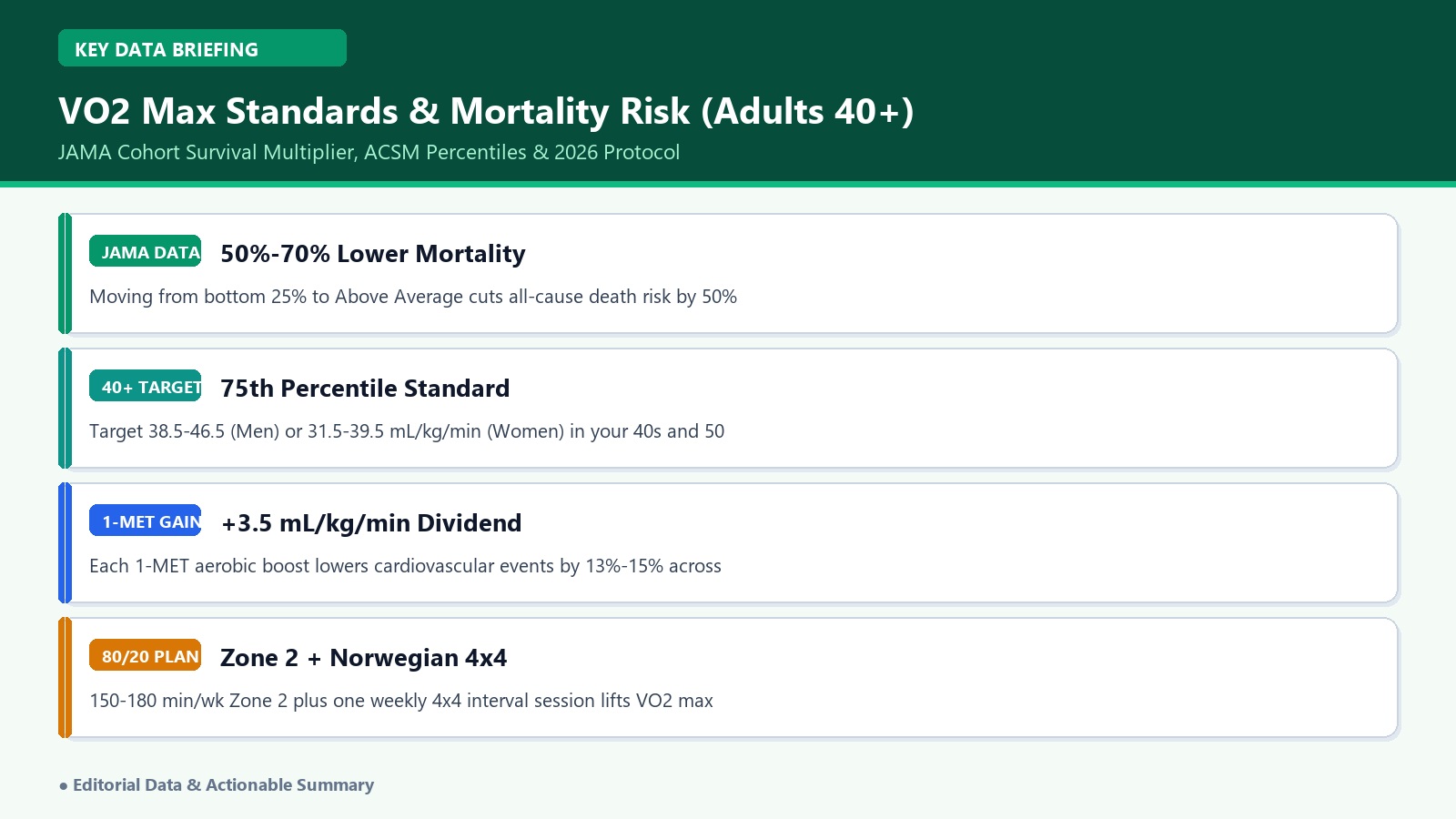
Figure 1: VO2 Max Longevity Percentiles, Mortality Hazard Drop & 2026 Conditioning Blueprint
2. How VO2 Max Tier Quantifies Mortality Risk: The JAMA & NIH Evidence
Until recently, skeptics questioned whether “too much” endurance training might plateau or harm longevity. That hypothesis was decisively overturned by the landmark Mandsager et al. (2018) study in JAMA Network Open, which tracked 122,007 patients who underwent exercise treadmill testing at the Cleveland Clinic across more than two decades, alongside follow-up multi-marathoner longevity analyses published in Nature Scientific Reports.
The investigators discovered a continuous, dose-dependent inverse relationship between cardiorespiratory fitness and death from any cause, with zero upper threshold of toxicity. Even more striking, moving out of the bottom 25% (“Low”) into the “Below Average” (25th–49th percentile) category delivered a massive survival dividend, while reaching the “Elite” top 2.3% yielded the lowest mortality hazard in modern preventive medicine.
Notice the practical translation of these numbers: every single 1-MET increase (equivalent to +3.5 mL/kg/min of VO2 max) correlates with a 13% to 15% reduction in cardiovascular events and a 12% drop in all-cause death. When patients ask why vo2 max standards by age and longevity risk matter more than chasing marginal supplement tweaks, this 1-MET multiplier provides the answer—raising your score by just 7 points adds years of functional life expectancy.
3. The 4-Step 2026 Protocol to Raise Your VO2 Max Safely After Age 40
Improving VO2 max requires stimulating two distinct physiological bottlenecks simultaneously: peripheral mitochondrial utilization (built through steady aerobic volume) and central cardiac stroke volume (challenged through controlled high-intensity intervals). Follow this four-step clinical progression over 16 weeks:
STEP 01 — BASELINE ASSESSMENT
Establish an Objective Starting Benchmark (Lab CPET or Cooper 12-Minute Test)
Before starting structured intervals, measure your baseline accurately. Book a clinical cardiopulmonary exercise test (CPET) with a respiratory mask ($150–$275 at sports medicine clinics) or complete the validated Rockport 1-Mile Walk / Cooper 12-Minute Run test on a flat track. Treat smartwatch estimates as directional trends rather than diagnostic truth until calibrated against a real field effort.
STEP 02 — ZONE 2 MITOCHONDRIAL BASE (80% OF WEEKLY VOLUME)
Accumulate 150–180 Minutes/Week at Conversational Aerobic Intensity
Perform 3 to 4 sessions of 40 to 50 minutes on a stationary bike, brisk incline treadmill (8%–12% grade), or rowing ergometer at 65% to 75% of maximum heart rate (where you can speak in full sentences but sound slightly breathless). Zone 2 stimulates PGC-1alpha signaling, expanding capillary networks and mitochondrial enzyme density without stressing aging joints or elevating cortisol.
STEP 03 — NORWEGIAN 4×4 INTERVALS (20% OF WEEKLY VOLUME)
Execute One Weekly Peak Stroke-Volume Session
Validated by researchers at the Norwegian University of Science and Technology (NTNU), the 4×4 protocol delivers the fastest VO2 max gains safely: warm up 10 minutes, then complete 4 rounds of 4 minutes at 85%–95% max heart rate (hard, sustainable effort—not an all-out 30-second sprint) separated by 3 minutes of active Zone 1 recovery walking or easy pedaling.
STEP 04 — IRON, HYDRATION & 16-WEEK RETEST
Audit Oxygen-Carrying Biomarkers and Re-Measure at Week 16
Oxygen delivery depends on hemoglobin and iron stores; adults whose serum ferritin sits below 40 ng/mL often experience premature aerobic plateaus despite hard training. Pair consistent hydration, 7.5+ hours of restorative sleep, and adequate protein intake (1.6 g/kg/day) before repeating your standardized field or lab CPET test after 16 weeks.
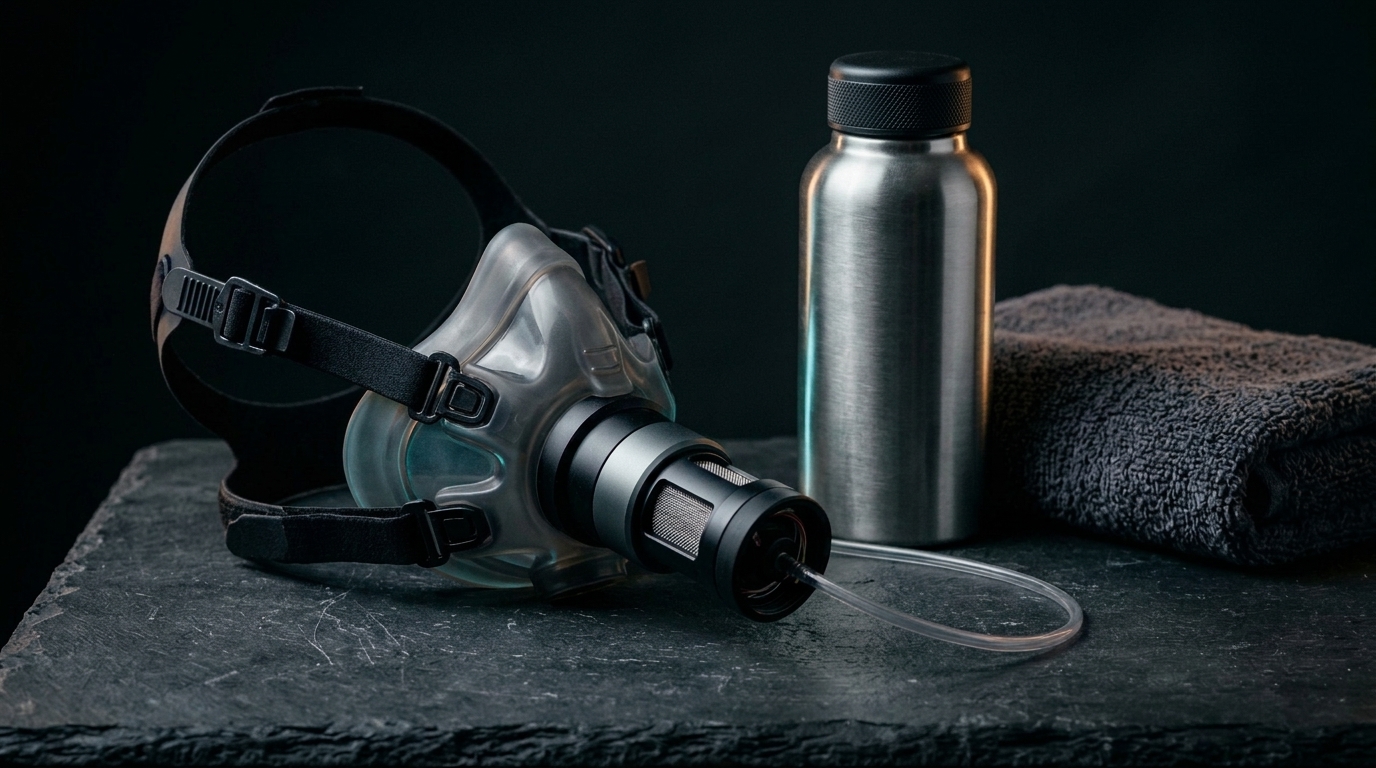
Figure 2: Clinical Cardiopulmonary Assessment & Aerobic Conditioning Equipment for Adults 40+
4. Smartwatch Estimates vs. Lab CPET: Avoiding Measurement Traps
Wearables from Apple, Garmin, and WHOOP have popularized VO2 max tracking among millions of adults, yet consumer algorithms frequently diverge from true metabolic cart measurements by 5% to 15%. Understanding why wearable readings drift prevents unnecessary anxiety—or false confidence—when benchmarking against clinical vo2 max standards by age and longevity risk.
Editor’s Clinical Checkpoints: 3 Hidden Factors That Skew Your VO2 Max Reading
• Beta-Blockers & Heart Rate Formulas: Wrist wearables estimate VO2 max by pairing GPS pace with heart rate against an age-predicted max HR formula (220 minus age). If you take beta-blockers—or naturally have a lower or higher max HR—the algorithm miscalculates your aerobic reserve unless you manually enter your true tested max heart rate.
• Heat, Humidity & Dehydration Drift: Running in 85°F summer humidity elevates heart rate by 10 to 15 bpm at the same pace (cardiac drift), causing watches to artificially downgrade your VO2 max score by 2 to 4 points within a single week.
• Indoor vs.
• Heat, Humidity & Dehydration Drift: Running in 85°F summer humidity elevates heart rate by 10 to 15 bpm at the same pace (cardiac drift), causing watches to artificially downgrade your VO2 max score by 2 to 4 points within a single week.
• Indoor vs.
Outdoor Modality Bias: Most watches only update VO2 max during outdoor GPS runs or walks; cycling requires a dedicated power meter, and indoor elliptical or rowing workouts are often excluded unless synced via specialized metabolic testing.
Additionally, note that VO2 max is normalized by body mass in kilograms (mL/kg/min). Reducing excess visceral adipose tissue by 5 kg while preserving skeletal muscle mass raises your relative VO2 max by roughly 6% to 8% purely through improved power-to-weight efficiency, compounding the structural cardiovascular gains from Zone 2 training.
5. Frequently Asked Questions (FAQ): VO2 Max Standards & Longevity
Q1: What is a good VO2 max standard for men and women over 50?
According to ACSM and FRIEND registry benchmarks, a healthy longevity target (75th percentile) for adults aged 50 to 59 is 38.5 to 42.9 mL/kg/min for men and 31.5 to 35.5 mL/kg/min for women. Scoring above 44.5 (men) or 37.5 (women) places you in the top 10% superior tier associated with maximum cardiovascular resilience.
Q2: Can you still significantly increase VO2 max after age 50 or 60?
Yes. Clinical trials from UT Southwestern Medical Center and NTNU confirm that previously sedentary adults aged 50 to 64 who follow a structured 4-to-5-day aerobic program incorporating Zone 2 endurance and weekly 4×4 intervals improve VO2 max by 15% to 18% and measurably reverse age-related left ventricular cardiac stiffening over 12 to 24 months.
Q3: Why do women have slightly lower numerical VO2 max standards than men?
On average, biological sex differences in hemoglobin concentration (roughly 10%–12% lower in women), left ventricular chamber volume, and essential body fat percentage account for an approximately 15% lower numerical mL/kg/min score at identical fitness percentiles. Relative to sex-matched norms, women achieve the exact same mortality risk reduction at every percentile tier.
Q4: Is high-intensity HIIT safe for adults over 40 starting from a low baseline?
If you currently fall below the 25th percentile or have hypertension, diabetes, or chest symptoms, obtain physician clearance and spend your first 6 to 8 weeks exclusively building Zone 2 endurance (brisk walking or cycling) before adding Norwegian 4×4 intervals. Low-impact modalities like stationary cycling or uphill treadmill walking protect knees while achieving full cardiac training stimulus.
6. Clinical Perspective: Building Your Multi-Decade Oxygen Reserve
Tracking vo2 max standards by age and longevity risk shifts preventive healthcare from reactive symptom management to proactive physiological capacity building. Unlike genetic predispositions you cannot alter, cardiorespiratory fitness responds reliably to consistent, measurable training inputs at every decade of adult life.
Start by verifying your baseline, anchoring your week with 150 to 180 minutes of steady Zone 2 movement, and layering in one controlled Norwegian 4×4 interval session once your aerobic foundation is solid. Over 16 weeks, those deliberate efforts translate directly into higher energy, lower cardiovascular strain, and durable functional independence for the decades ahead.
Related Clinical Protocols & Evidence Guides