
Editor’s 1-Minute Briefing
ISSN Position Stand & Clinical Bioavailability Verdict
ISSN Position Stand & Clinical Bioavailability Verdict
Creatine Monohydrate vs HCL Water Retention: Clear Winner & Non-Bloating Dosing Verdict (2026)
1. The Water Retention Truth: Neither form causes puffy under-the-skin fluid retention when dosed properly—both pull 0.5 kg to 1.5 kg of hydration strictly inside muscle fibers (intracellular water), which drives strength and protein synthesis.
2. Solubility vs. Muscle Saturation: Creatine hydrochloride (HCl) dissolves roughly 38 times faster in water than standard monohydrate, reducing grit and stomach cramping for sensitive guts, but it delivers zero extra muscle gain and costs 3x to 5x more per gram of actual creatine.
3. 1-Second Buyer Rule: Choose micronized creatine monohydrate at 3 g to 5 g daily (skipping the 20 g loading phase) for 90% of adults over 40; switch to HCl only if even split 2.5 g micronized doses trigger loose stools or gastric bloating.
Walk down any supplement aisle or scroll fitness feeds in 2026 and you will see aggressive marketing promising “zero bloat, zero water weight” if you pay $45 instead of $18 for a tub of creatine hydrochloride. Yet thousands of adults over 40 who buy micro-dosed HCl capsules at 750 mg per day quietly wonder why their gym endurance, recovery, and lean mass never budge after eight weeks.
That frustration stems from confusing two completely different biological compartments: intracellular muscle hydration versus gastrointestinal osmotic water. According to the Journal of the International Society of Sports Nutrition (ISSN) and clinical databases indexed on PubMed (NIH), the debate over creatine monohydrate vs hcl water retention comes down to solubility, real daily dosing math, and stomach tolerance—not hidden magic.
1. Creatine Monohydrate vs HCL Water Retention: 7 Core Differences at a Glance
Creatine monohydrate delivers 87.9% pure creatine per gram by molecular weight and carries over 1,000 peer-reviewed human trials, whereas creatine HCl yields roughly 78% pure creatine paired with a hydrochloride salt that boosts water solubility. Compare every clinical and financial metric side by side before spending your supplement budget.
Notice the hidden marketing sleight-of-hand on label serving sizes: many HCl tubs advertise “750 mg micro-dose equals 5 grams of monohydrate” and price 60 servings at $34. Because skeletal muscle turns over roughly 1.6% to 2% of its total creatine pool daily (about 2 grams for an average 75 kg adult), a 750 mg HCl dose yields barely 585 mg of actual creatine—leaving your muscles chronically under-saturated.
2. Which Form Fits Your Body? Two-Track Clinical Buyer Verdict
Rather than declaring one universal winner for every gut and wallet, match your choice to your digestive history, hydration habits, and training intensity over age 40.
WINNER FOR 90% OF ADULTS 40+
Choose Micronized Creatine Monohydrate If:
• You want maximum muscle strength, bone density support, and brain energy backed by decades of NIH dietary guidelines.
• You skip the outdated 20 g/day loading phase and take 3 g to 5 g once daily dissolved in warm tea, soup, or a post-meal shake.
• You prefer keeping annual supplement costs under $110 per year with NSF or Informed-Choice purity testing.
• You skip the outdated 20 g/day loading phase and take 3 g to 5 g once daily dissolved in warm tea, soup, or a post-meal shake.
• You prefer keeping annual supplement costs under $110 per year with NSF or Informed-Choice purity testing.
NICHE DIGESTIVE ALTERNATIVE
Choose Creatine HCl (At Full Dose) If:
• Even 2.5 g of warm-dissolved micronized monohydrate triggers IBS-style cramping, belching, or osmotic diarrhea.
• You dislike gritty powder residue in cold water and want a tiny 4 oz sip before fasted morning workouts.
• You are willing to take 3 g to 4 g daily of HCl (ignoring under-dosed 750 mg claims) so muscles actually reach 100% phosphocreatine stores.
• You dislike gritty powder residue in cold water and want a tiny 4 oz sip before fasted morning workouts.
• You are willing to take 3 g to 4 g daily of HCl (ignoring under-dosed 750 mg claims) so muscles actually reach 100% phosphocreatine stores.
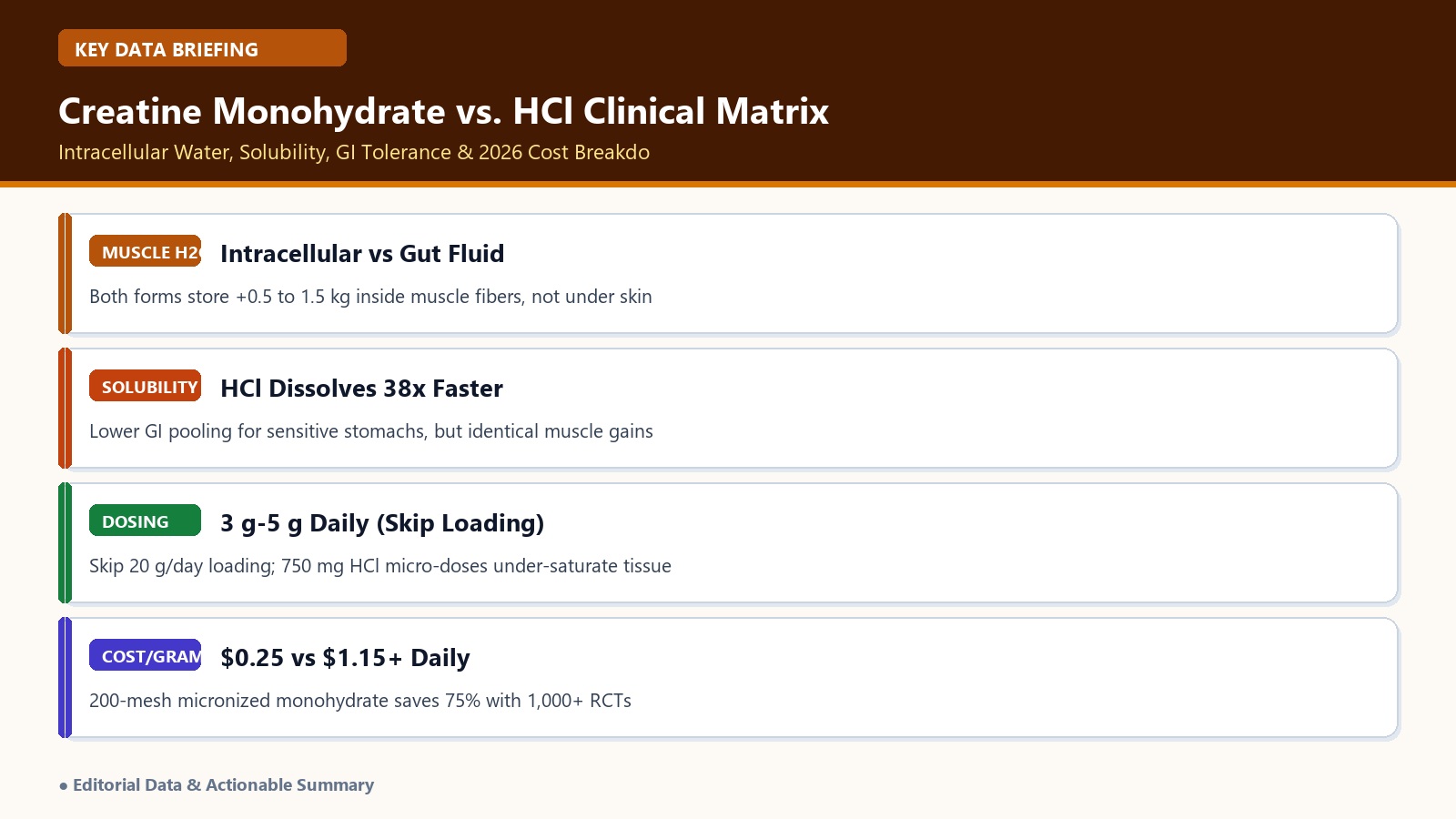
Figure 1: Creatine Monohydrate vs. HCl — Solubility, Intracellular Hydration & Cost Thresholds
3. Intracellular Water vs. Stomach Bloating: 12-Week Cost & Saturation Simulation
When evaluating creatine monohydrate vs hcl water retention, distinguish muscle cell fullness from gut distension. Loading 20 grams per day of standard coarse monohydrate floods the small intestine with undissolved crystals, pulling fluid into the bowel lumen and causing temporary abdominal bloating in roughly 25% to 39% of users. Slow steady dosing eliminates that osmotic spike while achieving identical muscle saturation by day 28.
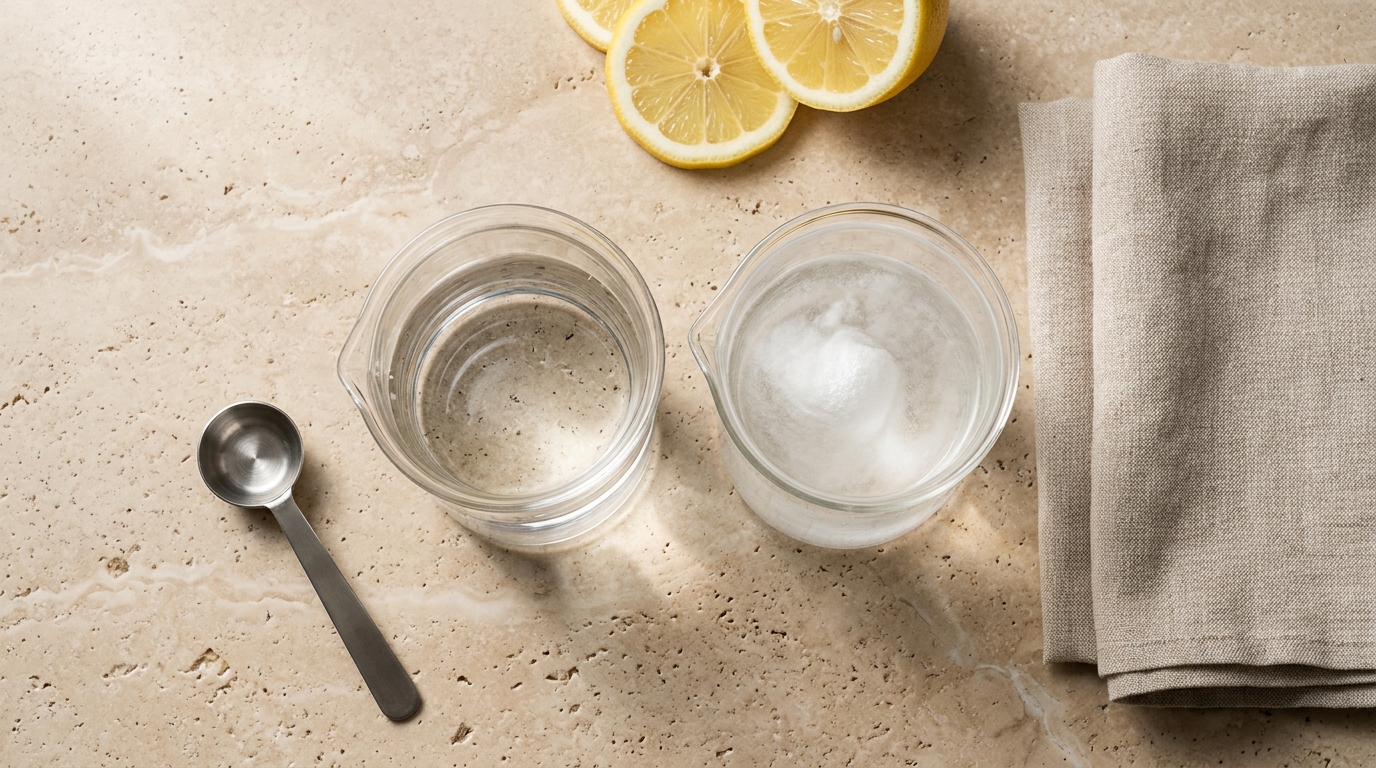
Figure 2: Dissolution Speed in Room-Temperature Water — Clear HCl Solution vs. Micronized Monohydrate Suspension
4. How to Eliminate Bloating Without Overpaying: 4-Step Non-Bloating Protocol
Before paying 4 times more for specialty salts, test whether simple solubility and timing fixes solve your digestive response to monohydrate. Most stomach discomfort disappears within 72 hours when undissolved powder never reaches your colon.
STEP 01 — SKIP LOADING
Start Directly at 3 g to 5 g Daily
Ditch the 20 g/day loading week completely. Taking 3 g (for 55–70 kg adults) or 5 g (for 75–95 kg adults) saturates muscle stores in 28 days with zero acute osmotic bloat.
STEP 02 — DISSOLVE WARM
Use 200-Mesh Micronized + Warm Liquid
Stir 200-mesh micronized powder (or Creapure) into 8 oz of warm water, chamomile tea, or oatmeal for 30 seconds until crystal clear—zero grit means faster upper-gut absorption.
STEP 03 — SPLIT & PAIR
Split Into 2.5 g With Meals
If sensitive, take 2.5 g after breakfast and 2.5 g after dinner. Mild meal-triggered insulin boosts sodium-dependent creatine uptake into muscle while slowing gastric dumping.
STEP 04 — CHECK LABS
Warn Your Doctor About Creatinine
Daily creatine mildly elevates blood creatinine by 0.1–0.2 mg/dL as a harmless metabolic byproduct—ask your physician to check Cystatin-C if eGFR looks falsely flagged.
5. Frequently Asked Questions (FAQ): Creatine Monohydrate vs HCL Water Retention
Q1: Does creatine HCl cause less water retention than creatine monohydrate?
Creatine HCl causes less gastrointestinal water pooling (stomach bloating) when someone struggles to dissolve standard monohydrate, because HCl dissolves ~38x faster. Inside your muscles, however, both forms draw the exact same intracellular hydration once muscle phosphocreatine stores reach full saturation.
Q2: Creatine monohydrate vs micronized—which is better for bloating?
Chemically, micronized creatine is still 100% creatine monohydrate—just milled to a 200-mesh particle size that is roughly 20 times finer. That smaller particle surface area dissolves faster in water, eliminating the gritty bottom-of-the-glass sediment that causes mild stomach upset at the same low price ($0.25/day).
Q3: Why is creatine monohydrate still considered the best form overall?
According to the International Society of Sports Nutrition, no alternative form—including HCl, buffered Kre-Alkalyn, liquid creatine, or creatine ethyl ester—has outperformed creatine monohydrate for muscle phosphocreatine saturation, strength gain, or cognitive energy in head-to-head human trials, while monohydrate contains the highest creatine percentage by weight (87.9%).
Q4: How much extra water should I drink daily when taking creatine after 40?
Add roughly 12 oz to 16 oz (350–500 mL) of extra plain water above your normal baseline intake during your first four weeks. Proper fluid intake supports intracellular muscle storage without triggering leg cramps or dehydration, and choose third-party tested products bearing NSF Certified for Sport or Informed-Choice seals.