
Neuro-Calming & Clinical Phytotherapy Briefing
NIH NCCIH Evidence & 2026 Safety Guidelines
NIH NCCIH Evidence & 2026 Safety Guidelines
Natural Remedies Supplements for Anxiety Relief: Which Clinical Extracts Work Without Sedation (2026)
1. Standardized Clinical Winners: Among natural remedies supplements for anxiety relief, randomized placebo-controlled trials most consistently validate standardized lavender oil (Silexan 80–160 mg), saffron extract (28–30 mg), L-theanine (200–400 mg), and chelated magnesium glycinate (200–400 mg elemental) for lowering Hamilton Anxiety (HAM-A) scores without cognitive sedation.
2. Match Phenotype First: Fast-acting L-theanine relieves acute daytime tension within 30 to 60 minutes, whereas adaptogens like KSM-66 ashwagandha (300–600 mg) and EPA-dominant omega-3s (1,000–2,000 mg) require 4 to 8 weeks of consistent dosing to calm HPA-axis cortisol and neuroinflammation.
3. Mandatory Interaction Guardrails: Never combine St. John’s wort, 5-HTP, or high-dose saffron with prescription SSRIs/SNRIs without physician supervision due to serotonin toxicity risk, and cycle ashwagandha 8 weeks on / 2 weeks off while monitoring thyroid and liver panels.
When midlife stress triggers a racing pulse before an early morning meeting—or keeps your mind cycling through tomorrow’s problems at 2:30 a.m.—many adults over 40 look for non-habit-forming support before starting prescription sedatives. Navigating natural remedies supplements for anxiety relief can feel overwhelming when store shelves pack dozens of unproven “calm blends” next to genuinely effective clinical botanicals.
Clinical reviews from the NIH National Center for Complementary and Integrative Health (NCCIH) and peer-reviewed meta-analyses on PubMed show a sharp divide in supplement quality. Standardized single-ingredient extracts backed by human trials reliably reduce mild-to-moderate anxiety symptoms by 25% to 45%, whereas underdosed proprietary mixes rarely outperform placebo.
Below is the 2026 clinical breakdown of the seven highest-evidence natural supplements for anxiety—organized by anxiety phenotype, exact standardized dosage, onset timeline, and critical medication interaction guardrails.
1. 7 Natural Remedies Supplements for Anxiety Relief: Clinical Evidence Matrix
Because anxiety manifests differently across individuals—ranging from acute adrenaline spikes to chronic cortisol elevation or restless sleep—matching the compound’s neurotransmitter pathway to your dominant symptom determines whether you feel calmer within an hour or notice zero difference.
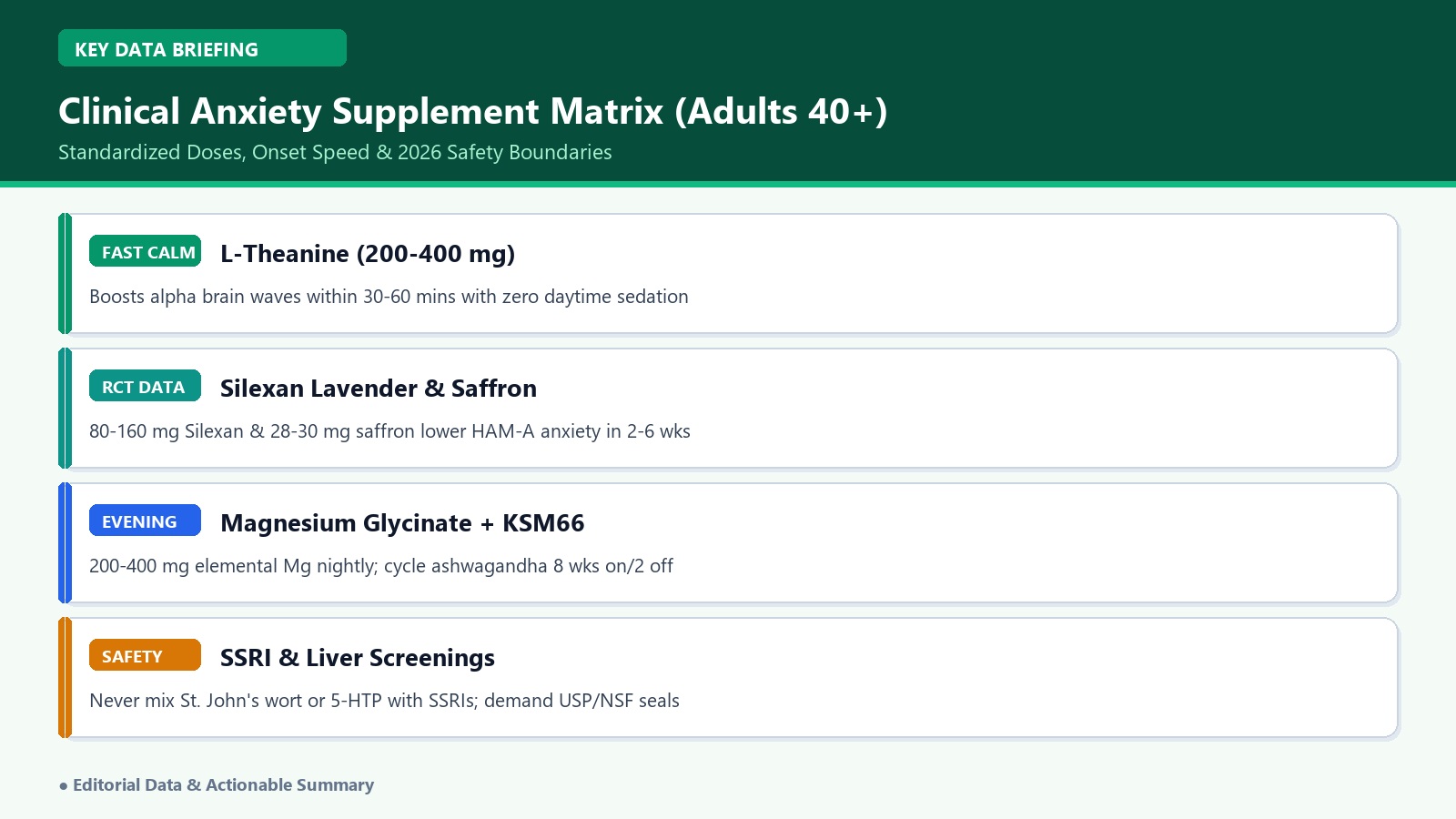
Figure 1: Clinical Standardization, Onset Speed & Safety Matrix for Anxiety Supplements
2. Matching Supplements to Your Anxiety Phenotype (Acute vs. Chronic)
A common mistake with natural remedies supplements for anxiety relief is taking a slow-building adaptogen for acute stage fright—or taking magnesium once at noon and expecting it to resolve six months of burnout. Aligning compound selection with your symptom pattern speeds results and avoids wasted bottles.
WORTH INVESTING IN (CLINICAL GRADE)
Single-Ingredient Standardized Extracts
Look for trademarked extracts tested in human RCTs: 80 mg oral Silexan lavender oil (shown in European trials to rival low-dose lorazepam for generalized anxiety without sedation), 200 mg L-theanine for caffeine jitters and acute workday stress, and 28–30 mg standardized saffron for anxious mood combined with low motivation.
SKIP THE HYPE (POOR VALUE / RISK)
Proprietary “Calm Gummies” & Unstandardized Blends
Avoid 8-herb proprietary blends that hide tiny 15 mg “fairy-dust” doses behind total blend weights, unstandardized kava extracts linked to rare hepatotoxicity, and magnesium oxide (only 4% bioavailable, acting mostly as an osmotic laxative rather than a nervous-system cofactor).
3. Reading Labels & Quality Standards (USP, NSF, and Heavy-Metal Purity)
Because dietary supplements do not undergo pre-market FDA efficacy approval in the United States, independent potency testing is non-negotiable. Clinical audits by Mayo Clinic and independent consumer laboratories regularly uncover herbal capsules containing under 30% of labeled active compounds or trace heavy metals.
3 Label Standards That Separate Clinical Extracts From Filler
• Verify Active Standardization Percentages: Raw root powder is far weaker than standardized extract. Demand exact active markers—such as KSM-66 ashwagandha standardized to 5% withanolides, chamomile standardized to 1.2% apigenin, or saffron standardized to ≥2% safranal and lepticrosalides.
• Check Elemental vs. Compound Mineral Weights: A capsule boasting “1,000 mg Magnesium Glycinate” often delivers only 100 to 140 mg of actual elemental magnesium. Always read the Supplement Facts panel’s elemental %DV line.
• Demand Third-Party Batch Seals: Prioritize brands bearing USP Verified, NSF Certified, or ConsumerLab seals, and request Certificates of Analysis (CoA) confirming lead, arsenic, and pesticide screening.
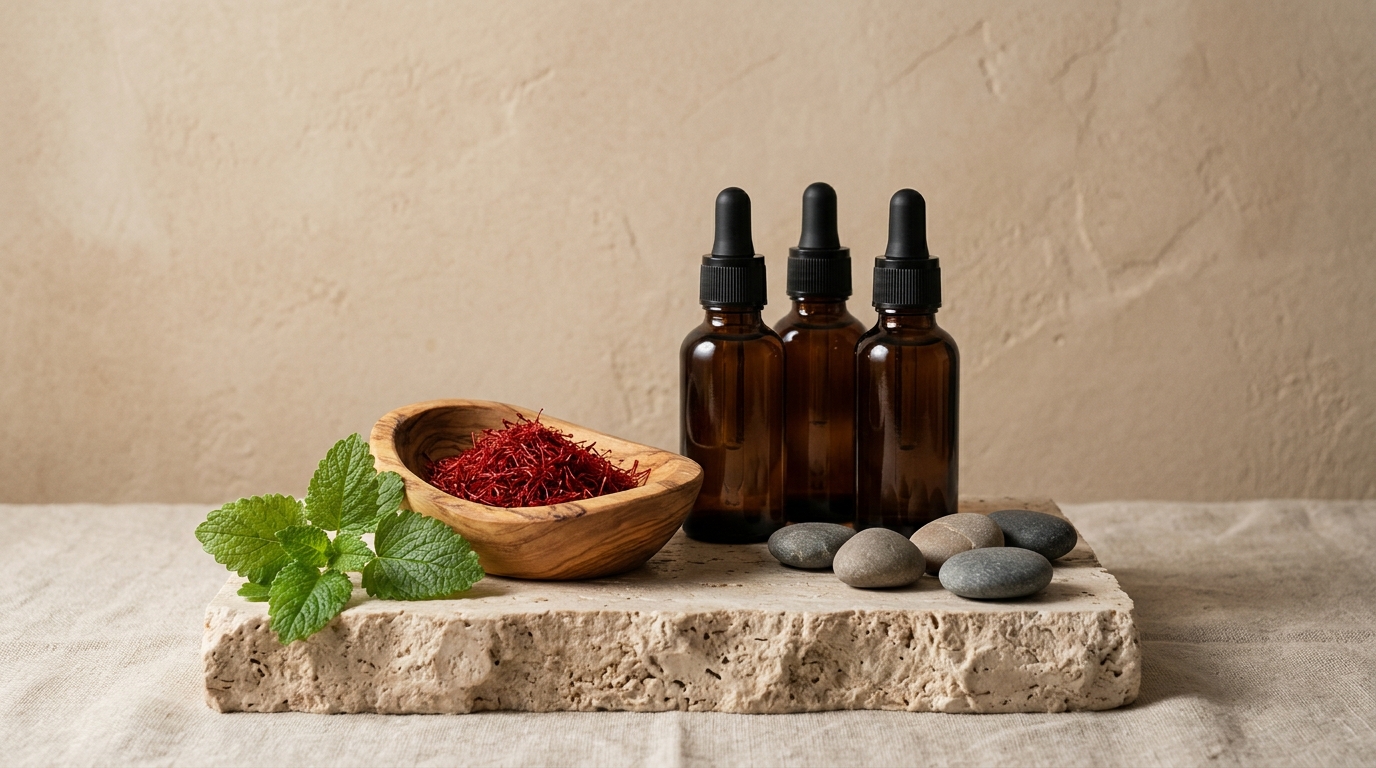
Figure 2: Standardized Botanical Extracts & Mineral Cofactors for Non-Sedating Anxiety Relief
4. Safety Guardrails, Drug Interactions & Lifestyle Amplifiers
“Natural” never guarantees zero pharmacology. Herbs that elevate serotonin, modulate GABA receptors, or alter liver cytochrome P450 enzymes can interact sharply with everyday prescriptions taken by adults over 40. Review these clinical boundaries with your physician or pharmacist before starting a regimen.
INTERACTION RULE 01 — SEROTONIN & SSRI/SNRI CAUTION
Never Layer St. John’s Wort, 5-HTP, or SAMe With Antidepressants
Combining serotonergic supplements with prescription SSRIs (sertraline, escitalopram), SNRIs, or triptans risks serotonin syndrome—marked by sweating, tremor, and rapid heart rate. St. John’s wort also induces CYP3A4 liver enzymes, dangerously accelerating clearance of blood thinners, statins, and blood pressure medications.
INTERACTION RULE 02 — CYCLING & NON-PILL AMPLIFIERS
Cycle Adaptogens & Pair With Vagal Breathing + Zone 2 Cardio
Long-term continuous ashwagandha (beyond 12 weeks) can induce emotional blunting (anhedonia) or elevate free T4 thyroid hormone in sensitive adults—always cycle 8 weeks on, 2 weeks off. Furthermore, pairing 200 mg L-theanine with 150 minutes/week of Zone 2 brisk walking and 5 minutes of physiological sigh breathing amplifies parasympathetic vagal tone far beyond capsules alone.
5. Frequently Asked Questions (FAQ): Natural Anxiety Supplements
Q1: Are natural remedies supplements for anxiety relief safe for long-term daily use?
Nutritional cofactors like magnesium glycinate (200–400 mg), omega-3 fish oil (1,000–2,000 mg EPA/DHA), and L-theanine (200 mg) have strong safety profiles for ongoing daily use in adults with healthy kidney and liver function. Potent botanicals like ashwagandha and valerian are best cycled every 8 to 12 weeks with periodic clinical re-evaluation.
Q2: Can supplements replace prescribed anxiety medications?
Never discontinue prescription anti-anxiety medications or SSRIs abruptly in favor of over-the-counter herbs. Clinical trials support standardized lavender (Silexan) and saffron primarily for mild-to-moderate generalized anxiety; panic disorder, severe depression, or debilitating OCD require physician-guided therapy and medical supervision.
Q3: How long before natural anxiety supplements reduce noticeable symptoms?
Onset speed depends entirely on the mechanism: L-theanine increases calming alpha brain waves within 30 to 60 minutes for situational stress, whereas Silexan lavender oil typically requires 2 weeks and saffron, ashwagandha, or omega-3s take 4 to 8 weeks to produce full HAM-A anxiety score reductions.
Q4: Should I rule out medical causes before starting anxiety supplements?
Yes. In adults over 40, hyperthyroidism, low serum ferritin, vitamin B12 deficiency, perimenopause, and undiagnosed sleep apnea frequently masquerade as generalized anxiety. Running a basic CBC, TSH, ferritin, and fasting glucose panel ensures you treat the real physiological trigger rather than masking symptoms.
6. Practical Action Plan: Starting Safe, Single-Agent Trials
The smartest way to test natural remedies supplements for anxiety relief is introducing one standardized, third-party-tested agent at a time for 21 to 28 days while keeping a quick 1-to-10 daily stress log. For rapid daytime calm without drowsiness, begin with 200 mg L-theanine paired with evening magnesium glycinate (200–300 mg elemental).
If persistent generalized worry continues after 4 weeks, discuss 80 mg standardized lavender oil (Silexan) or 28 mg saffron extract with your doctor—and anchor every capsule with morning daylight, reduced afternoon caffeine, and regular aerobic movement for durable nervous-system resilience.