

CLINICAL LONGEVITY BRIEFING • 2026 EVIDENCE PROTOCOL
Zone 2 Cardio Protocol for Mitochondrial Longevity: Executive Clinical Verdict
- The Mitochondrial Engine of Aging: Between ages 30 and 70, average human mitochondrial capacity and oxidative phosphorylation density decline by approximately 40% to 50%, driving systemic insulin resistance, cardiovascular stiffness, and chronic low-grade inflammation.
- The Zone 2 Sweet Spot (Lactate 1.5–2.0 mmol/L): Training at 60% to 70% of maximum heart rate stimulates Type I slow-twitch muscle fibers to maximize fat oxidation (FATmax) while maintaining blood lactate strictly below 2.0 mmol/L, triggering peroxisome proliferator-activated receptor gamma coactivator 1-alpha (PGC-1α) and robust mitochondrial biogenesis.
- Optimal Longevity Dosage: Clinical exercise physiology from San Millán and Brooks demonstrates that accumulating 150 to 180 minutes per week across 3 to 4 steady-state sessions of 45 to 60 minutes optimizes cellular bioenergetics, slashes all-cause mortality risk by 28% to 35%, and preserves metabolic flexibility well into advanced age.
Implementing a structured zone 2 cardio protocol for mitochondrial longevity is the single most potent physiological intervention available to preserve cellular vitality, metabolic flexibility, and cardiovascular resilience as we age. While high-intensity interval training (HIIT) frequently dominates fitness headlines, the silent foundation of long-term healthspan resides in the microscopic power plants of our cells: the mitochondria. Without robust mitochondrial density and efficient fatty acid oxidation, cells become metabolically inflexible, accumulating toxic lipid intermediates and predisposing the human body to cardiometabolic decline.
Groundbreaking clinical research led by Dr. Iñigo San Millán at the University of Colorado School of Medicine, alongside findings published in Cell Metabolism and Sports Medicine, demonstrates that low-intensity steady-state endurance exercise stimulates mitochondrial biogenesis more effectively than chronic high-intensity anaerobic exhaustion. When executing a precise zone 2 cardio protocol for mitochondrial longevity, your muscles operate primarily on fat, clearing lactate with effortless cellular efficiency and shielding your cardiovascular system against premature degeneration.
1. Cellular Bioenergetics: How Zone 2 Restores Mitochondrial Longevity
To grasp the longevity power of Zone 2, one must look deep within human skeletal muscle tissue. Muscle is composed of two primary fiber types: Type I (slow-twitch oxidative fibers) and Type II (fast-twitch glycolytic fibers). Type I fibers are packed with dense networks of mitochondria, rich capillary beds, and high concentrations of carnitine palmitoyltransferase-1 (CPT-1)—the rate-limiting enzyme responsible for transporting long-chain fatty acids into mitochondria for beta-oxidation.
During low-intensity aerobic exertion, Type I fibers handle virtually all energy demands through aerobic cellular respiration: converting fatty acids and pyruvate into water, carbon dioxide, and 36 ATP molecules. Concurrently, lactate produced during basal glycolysis is cleared through monocarboxylate transporter 1 (MCT-1) into adjacent mitochondria, where it is converted back to pyruvate by lactate dehydrogenase B (LDH-B) and burned cleanly for fuel.
When workout intensity spikes into Zone 3, Zone 4, or Zone 5, the nervous system recruits Type II fibers. These fast-twitch fibers rely on anaerobic glycolysis, generating massive amounts of lactate and hydrogen ions that overwhelm mitochondrial buffering capacity. Blood lactate climbs past 4.0 mmol/L, the sympathetic nervous system triggers high cortisol release, and fat oxidation shuts down completely. By deliberately training within the strict zone 2 cardio protocol for mitochondrial longevity, you force the cellular engine to build more mitochondrial volume, multiply Cristae surface area, and enhance oxidative capacity without systemic wear and tear.
| Training Intensity Zone | Heart Rate & Lactate Level | Primary Substrate Burned | Muscle Fiber Type | Mitochondrial Longevity Adaptation |
|---|---|---|---|---|
| Zone 1 (Active Recovery) | 50% to 60% HRmax <1.2 mmol/L Lactate |
85% Fatty Acids 15% Glucose |
Pure Type I (Slow-Twitch) | Parasympathetic restoration, lymphatic drainage, minimal biogenesis stimulus |
| Zone 2 (Cardio Endurance Protocol) | 60% to 70% HRmax 1.5 to 2.0 mmol/L Lactate |
FATmax Peak (70–80% Fat) 20–30% Glucose |
Type I Slow-Twitch (Maximal Recruitment) | Peak PGC-1α activation, Cristae proliferation, 25–40% increase in mitochondrial volume density |
| Zone 3 (“The Black Hole”) | 71% to 80% HRmax 2.1 to 3.8 mmol/L Lactate |
50% Glucose 50% Fatty Acids |
Mixed Type I & Type IIa | Chronic fatigue trap: too stressful for pure recovery, too slow for maximal neuromuscular power |
| Zone 4 (Lactate Threshold) | 81% to 90% HRmax 4.0 to 6.5 mmol/L Lactate |
85% Glycogen 15% Fatty Acids |
Type IIa (Fast-Twitch Oxidative) | Shifts metabolism towards anaerobic glycolysis; suppresses fat oxidation enzymes |
| Zone 5 (VO2 Max / Anaerobic) | 91% to 100% HRmax >7.0 mmol/L Lactate |
100% Muscle Glycogen 0% Fat Oxidation |
Type IIx (Fast-Twitch Glycolytic) | Increases stroke volume and cardiac contractility; requires 48–72 hours recovery between sessions |
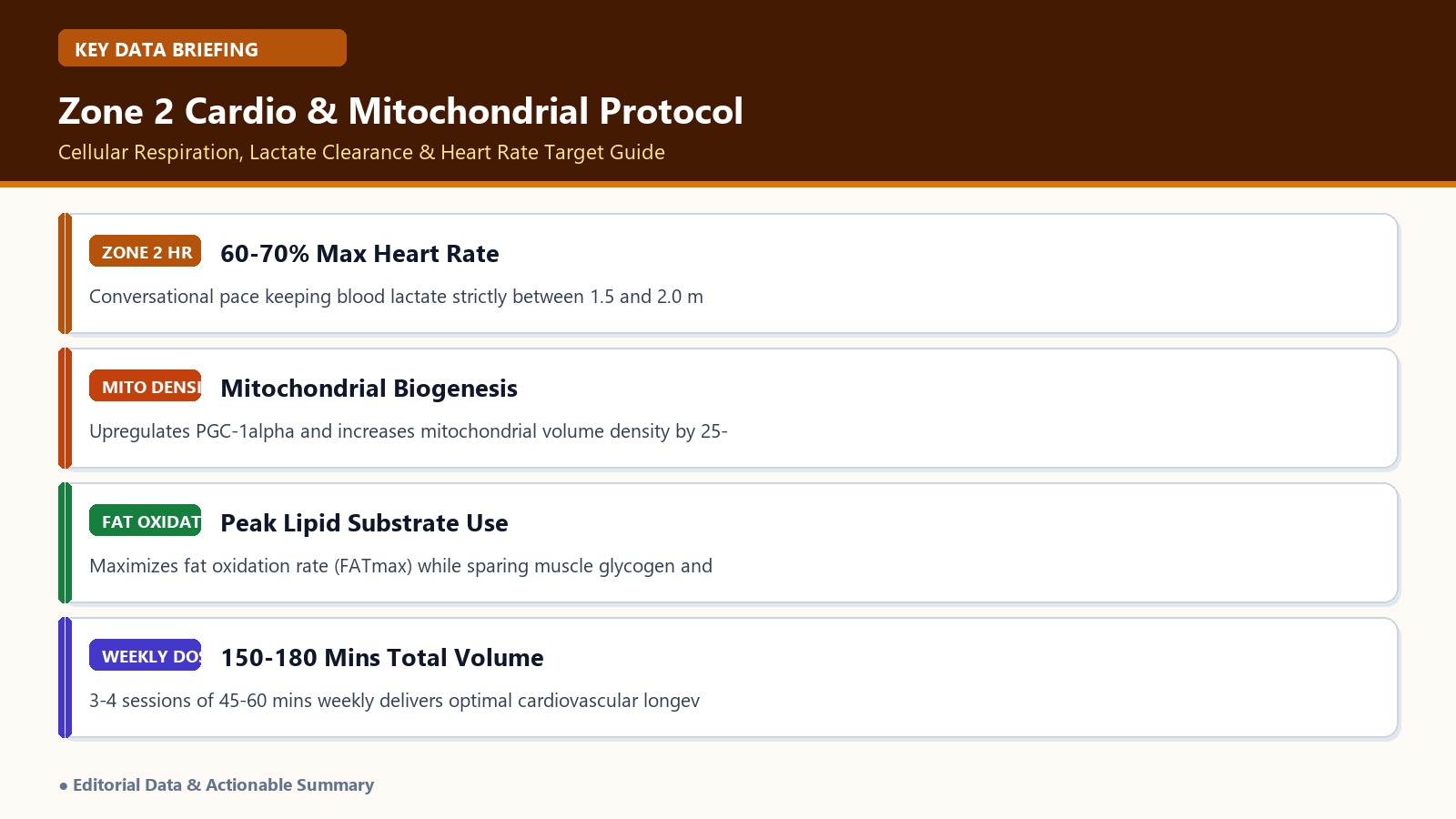
Figure 1: Comprehensive physiological biomarkers across cardiovascular intensity zones: lactate accumulation versus lipid oxidation.
2. Determining Your Exact Zone 2 Heart Rate Target
One of the most frequent errors among adults starting a zone 2 cardio protocol for mitochondrial longevity is exercising at the wrong heart rate. Standard gym machines use generalized formulas like “220 minus age,” which can miscalculate your true physiological thresholds by as much as 15 to 20 beats per minute (bpm). Exercise scientists utilize three clinical approaches to pinpoint Zone 2:
Method A: The Clinical Talk Test (The Gold-Standard Subjective Metric)
In the laboratory, the Ventilatory Threshold 1 (VT1) marks the boundary where your body shifts from breathing exclusively through the nose to requiring occasional mouth breaths to offload carbon dioxide. When performing Zone 2, you should be able to speak complete, coherent sentences in a steady voice without gasping, yet you should sound slightly breathless compared to sitting on a couch. If you can effortlessly sing a song, you are in Zone 1. If you can only speak four or five words before drawing a sharp breath, you have slipped into Zone 3.
Method B: The Maffetone Formula (MAF 180) for Aerobic Base Building
Pioneered by Dr. Phil Maffetone, this calculation provides a practical ceiling for Zone 2 heart rate in healthy adults over 40:
- Baseline Calculation: Subtract your chronological age from 180 (e.g., for a 48-year-old: 180 − 48 = 132 bpm).
- Target Zone Range: Your Zone 2 training window spans from 10 bpm below your MAF number up to your MAF ceiling (e.g., 122 to 132 bpm).
- Clinical Modifier: If recovering from major illness or surgery, subtract an additional 5 bpm; if you have trained consistently for over two continuous years without injury, add 5 bpm.
Method C: Blood Lactate Finger-Prick Calibration (Clinical Precision)
For high-performance longevity enthusiasts utilizing handheld lactate analyzers (such as the Lactate Plus or Edge), Zone 2 corresponds strictly to a capillary blood lactate concentration of 1.5 to 2.0 mmol/L. This is the exact metabolic zone where blood lactate remains flat or slightly elevated above resting levels (which typically range between 0.8 and 1.2 mmol/L), confirming that your Type I fibers are burning fat and clearing lactate as rapidly as it is generated.

Figure 2: Consistent low-impact cycling maintains optimal Zone 2 heart rate without musculoskeletal wear.
3. The 4-Step Clinical Protocol: Implementing Zone 2 in 2026
Transitioning from random cardiovascular workouts to an evidence-based zone 2 cardio protocol for mitochondrial longevity requires deliberate structure. Follow these four foundational steps to optimize cellular adaptations:
STEP 01: Select Low-Impact Ergometers to Protect Articular Cartilage
For individuals over 40, repetitive pounding from high-mileage road running frequently causes patellofemoral pain, plantar fasciitis, and lumbar disc compression before mitochondrial adaptations can fully take root. Instead, choose low-impact steady-state modalities:
- Incline Treadmill Walking: Set speed to 3.0–3.8 mph at a 6% to 12% incline. This delivers high cardiovascular demand with near-zero joint impact.
- Stationary Cycle / Smart Bike: Stationary cycling allows effortless cadence regulation (80–90 RPM) to keep heart rate locked within a narrow 5-beat window.
- Concept2 Rower or SkiErg: Distributes cardiovascular effort across both upper and lower body musculature, engaging up to 86% of total muscle mass.
- Outdoor Rucking: Walking briskly with a weighted backpack (15 to 30 lbs, representing roughly 10% to 15% of body weight) strengthens posture while preserving Zone 2 parameters.
STEP 02: Calibrate Weekly Training Dose to 150–180 Minutes
Mitochondrial biogenesis requires sustained, continuous signaling. Short 15-minute bursts are insufficient to induce the genetic upregulation of PGC-1α and transcription factor A, mitochondrial (TFAM). Structure your week around:
- Frequency: 3 to 4 dedicated sessions per week.
- Session Duration: 45 to 60 minutes of uninterrupted work. (Allow 5 minutes of gentle warmup to gradually elevate heart rate into the Zone 2 bracket).
- Volume Distribution: If time is constrained, two 45-minute sessions plus one 75-minute weekend session provides the requisite 165 minutes of metabolic stimulus.
STEP 03: Optimize Pre-Workout Nutrition & Glycemic Availability
A critical controversy surrounds whether Zone 2 should be performed in a fasted state. While light morning fasted walking increases circulating free fatty acids, consuming a high-sugar sports drink or refined carbohydrates 30 minutes before Zone 2 immediately triggers an insulin spike.
Elevated insulin inhibits hormone-sensitive lipase (HSL) and downregulates CPT-1, suppressing fat oxidation by 30% to 45%.
Clinical Guideline: Perform Zone 2 either fasted (early morning with water and electrolytes) or at least 2.5 hours after a balanced, low-glycemic meal containing lean protein and healthy fats. Avoid fast-acting energy gels or maltodextrin beverages during Zone 2 sessions.
STEP 04: Track Biomarkers of Cellular Adaptation Over 12 Weeks
Unlike subjective gym sensations, mitochondrial health can be quantified objectively through four clinical metrics over an 8- to 12-week timeframe:
- Cardiac Drift at Equal Power: Measure power output (watts) or walking pace at your target heart rate. As mitochondrial density expands, your pace at 125 bpm will increase by 8% to 15% without heart rate drifting upward.
- Resting Heart Rate (RHR): Consistent Zone 2 training strengthens left ventricular end-diastolic volume, dropping basal resting heart rate by 4 to 8 bpm over 12 weeks.
- Heart Rate Recovery (HRR): Measure the drop in heart rate exactly 60 seconds after stopping. An HRR reduction greater than 25 bpm reflects superior parasympathetic reactivation.
- Fasting Blood Glucose & HOMA-IR: By building a massive mitochondrial sponge for glucose disposal, fasting insulin typically drops by 15% to 25%, resolving early insulin resistance.
4. Three Fatal Pitfalls That Sabotage Zone 2 Longevity Benefits
Even dedicated fitness enthusiasts frequently undermine their cellular gains by falling prey to three common training errors:
Pitfall 1: Drifting Into the “Zone 3 Black Hole” Due to Ego
True Zone 2 training feels deceptively easy. When other runners pass you or you feel you aren’t “sweating enough,” human psychology pushes you to pick up the pace into Zone 3. In Zone 3, you trigger sympathetic fight-or-flight hormones, spike cortisol, and recruit fast-twitch fibers, completely nullifying the clean lipid-oxidation benefits of Zone 2 while creating autonomic fatigue that delays next-day recovery. Check your ego at the gym door: slow down to speed up cellular longevity.
Pitfall 2: Neglecting Heavy Resistance Training
Zone 2 cardio builds mitochondrial machinery inside muscle fibers, but it does not prevent age-related sarcopenia (loss of skeletal muscle mass and bone mineral density). A longevity program must combine 150 minutes of Zone 2 with 2 to 3 weekly sessions of heavy compound resistance training (squats, deadlifts, presses, and pull-ups). Muscle mass is your largest metabolic organ; mitochondria without adequate muscle mass is an incomplete longevity strategy.
Pitfall 3: Inadequate Sleep & Chronic Overtraining Overlap
Mitochondrial biogenesis occurs during sleep, mediated by human growth hormone (HGH) and cellular autophagy during slow-wave non-REM sleep. If you wake up chronically sleep-deprived with an elevated resting pulse, performing Zone 2 will strain an already burdened cardiovascular system. If your morning HRV is depressed by more than 1.5 standard deviations, substitute a gentle 30-minute Zone 1 walk or rest day.
5. Frequently Asked Questions (FAQ)
Q1: How do I know I am in Zone 2 if I do not own a blood lactate meter or chest strap?
Use the Strict Nasal Breathing and Conversational Talk Test. If you can sustain rhythmic, uninterrupted nasal breathing throughout your entire session and speak three full sentences aloud without gasping for air, you are reliably within the 1.5 to 2.0 mmol/L lactate threshold. If you are forced to open your mouth to inhale, you have crossed the ventilatory threshold into Zone 3.
Q2: Can I execute an effective Zone 2 workout using a home treadmill or under-desk walking pad?
Yes, but with an important caveat regarding incline. Flat walking on an under-desk pad rarely elevates heart rate into the true Zone 2 window (60% to 70% HRmax) for reasonably fit adults—it typically resides in Zone 1. To reach true Zone 2 on a treadmill, maintain a moderate speed of 3.0 to 3.5 mph and increase the incline to between 6% and 10%. This engages the posterior chain and drives heart rate into the optimal target zone without requiring high-impact jogging.
Q3: Should I do Zone 2 cardio instead of or in addition to High-Intensity Interval Training (HIIT)?
Clinical exercise physiologists recommend an 80/20 polarized cardiovascular split. Approximately 80% of your weekly aerobic volume should consist of steady-state Zone 2 endurance work to build mitochondrial density and capillary networks. The remaining 20% (typically one weekly session of 20 to 25 minutes, such as 4×4-minute Norwegian intervals) should be dedicated to Zone 5 VO2 max training to expand maximum cardiac output and stroke volume.
Q4: How long does it take to see measurable mitochondrial and metabolic improvements?
Enzyme activity (including citrate synthase and CPT-1 upregulation) begins within 14 to 21 days of consistent training. However, structural remodeling—including a 25% to 40% increase in total mitochondrial volume density, improved Cristae fold surface area, and measurable decreases in resting heart rate and fasting insulin—requires 8 to 12 consecutive weeks of accumulating at least 150 minutes of weekly Zone 2 exercise.
Editorial & Clinical Transparency Disclaimer: This protocol is designed for educational and longevity optimization purposes and does not constitute individual medical diagnosis or cardiac prescription. Individuals over 40 with known cardiovascular conditions, hypertension, or orthopedic limitations should undergo a physician-supervised treadmill stress test and consult their cardiologist before initiating a structured cardiovascular regimen.