
EDITOR’S 1-MINUTE CLINICAL BRIEFING
Berberine vs. Metformin for Insulin Resistance: The Clinical Verdict
- Equal Glycemic Power via Different AMPK Pathways: In landmark head-to-head randomized trials published in Metabolism (Yin et al.), Berberine (500 mg 3x daily) produced glycemic reductions virtually identical to Metformin (500 mg 3x daily)—lowering HbA1c by 0.9% to 1.0% and fasting blood glucose by 20% over 12 weeks.
- Berberine’s Unique Lipid & PCSK9 Advantage: While Metformin is largely lipid-neutral, Berberine stabilizes low-density lipoprotein receptor (LDLR) mRNA through extracellular signal-regulated kinase (ERK) and suppresses PCSK9—yielding an average 25% to 35% drop in triglycerides and 15% to 20% reduction in LDL cholesterol.
- The Critical Trade-Offs (B12 vs. Cycling): Long-term Metformin requires strict Vitamin B12 monitoring due to impaired ileal absorption. Conversely, Berberine acts as a potent botanical alkaloid with antimicrobial properties on the gut microbiome, making a cycling protocol (8 to 12 weeks on, 2 to 4 weeks off) mandatory to preserve beneficial commensal bacteria.
When comparing berberine vs metformin for insulin resistance, adults navigating midlife metabolic sluggishness, elevated fasting glucose, or prediabetes find themselves at a major clinical crossroad. Often nicknamed “nature’s Ozempic” or “botanical Metformin,” berberine has exploded in popularity as an over-the-counter alternative to prescription biguanides. However, dismissing Metformin as a mere pharmaceutical or treating berberine as a risk-free supplement overlooks their distinct cellular mechanisms, side effect profiles, and long-term safety parameters.
According to systematic reviews from the National Institutes of Health (NIH) and endocrinology research in The Journal of Clinical Endocrinology & Metabolism, both compounds target cellular energy sensor Adenosine Monophosphate-Activated Protein Kinase (AMPK). Understanding how berberine vs metformin for insulin resistance differ in liver, muscle, and gut tissue is essential to making an informed choice with your physician.
1. Head-to-Head Clinical Matrix: Berberine vs. Metformin
This rigorous clinical matrix contrasts origin, pharmacokinetics, organ-specific mechanisms, lipid impacts, adverse event profiles, and standard dosing for berberine vs metformin for insulin resistance:
| Clinical Parameter | Berberine Hydrochloride (HCl) | Metformin (Glucophage / Glumetza) |
|---|---|---|
| Regulatory Classification | Over-the-counter dietary supplement (extracted from Berberis vulgaris, Goldenseal, Oregon grape) | FDA-approved prescription biguanide medication (derived synthetically from French lilac) |
| Primary Cellular Mechanism | Activates AMPK via mitochondrial inhibition; stimulates GLUT4 translocation in skeletal muscle | Inhibits mitochondrial respiratory Complex I; suppresses hepatic gluconeogenesis and activates AMPK |
| Glycemic Efficacy (HbA1c / Fasting Glucose) | Reduces HbA1c by ~0.8% to 1.0%; drops fasting glucose by ~15% to 20% in clinical trials | Reduces HbA1c by ~1.0% to 1.5%; the gold-standard benchmark in diabetes management |
| Impact on Blood Lipids (Cholesterol & Triglycerides) | Superior (Double Benefit): Lowers Triglycerides by 20–35% and LDL by 15–20% via PCSK9 suppression | Neutral to modest: Slight favorable trend on triglycerides, minimal direct impact on LDL-C |
| Intestinal Bioavailability | Very low (<5%); undergoes heavy P-glycoprotein efflux in gut (acts largely locally on microbiome) | Moderate (50% to 60%); absorbed via organic cation transporters (OCT1/OCT2) |
| Gastrointestinal Side Effects | Constipation, flatulence, abdominal cramping (experienced by ~20% to 30% of users) | Loose watery diarrhea, nausea, metallic taste (experienced by ~25% to 35% on immediate-release) |
| Micronutrient Depletion Risk | Zero documented B-vitamin depletion; alters gut microbiota diversity over prolonged use | High Vitamin B12 depletion risk (~10% to 30% of long-term users develop B12 deficiency) |
| Standard Daily Clinical Dosage | 500 mg taken 2 to 3 times daily right before or with meals (Total: 1,000–1,500 mg) | 500 mg to 2,000 mg daily (Extended-Release / XR form taken with dinner) |
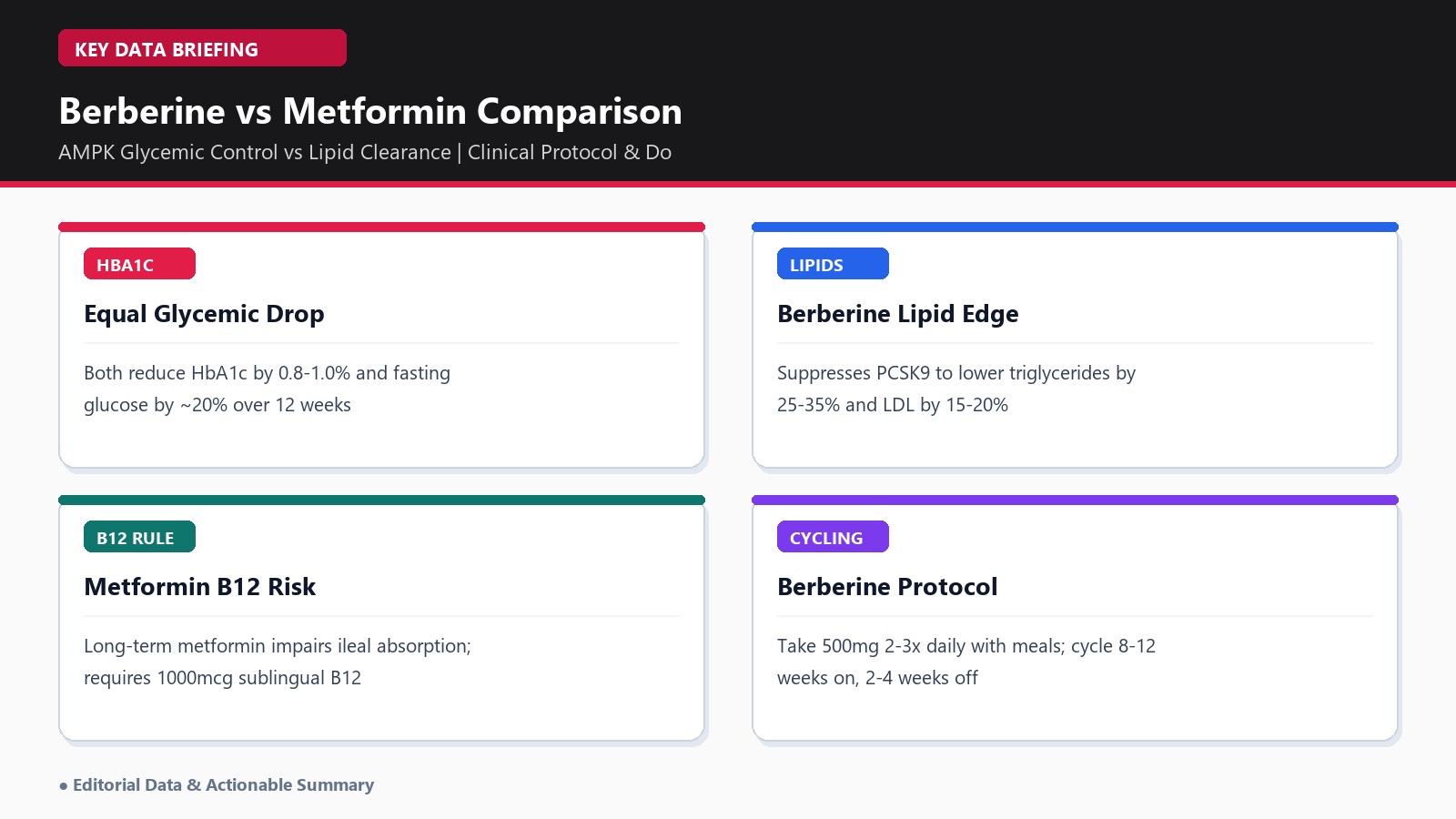
Figure 1: Pharmacological mechanism comparison: hepatic gluconeogenesis suppression vs. PCSK9 lipid clearance.
2. Biological Pathways: How Both Compounds Defeat Insulin Resistance
To understand why berberine vs metformin for insulin resistance yields comparable reductions in blood glucose, examine the cellular fuel gauge: AMPK (5′ adenosine monophosphate-activated protein kinase). When cellular ATP energy drops relative to AMP, AMPK acts as a metabolic master switch, commanding cells to stop storing fat and start burning glucose.
However, their upstream entry routes differ profoundly:
- Metformin’s Hepatic Focus: Metformin enters hepatocytes via organic cation transporter 1 (OCT1). It mildly suppresses Complex I in the mitochondrial electron transport chain. This subtle energy brake forces the liver to halt gluconeogenesis (the production of new glucose from lactate and amino acids), directly lowering morning fasting glucose.
- Berberine’s Dual Muscle & Lipid Pathway: Berberine also activates AMPK, but because its systemic absorption is under 5%, it works intensely within the intestinal epithelium and mesenteric vasculature. It stimulates Akkermansia muciniphila bloom, improves tight-junction gut barrier integrity, and in skeletal muscle, forces GLUT4 glucose transporters to move to the cell membrane independently of insulin.
Clinical Trial Spotlight: The Landmark Metabolism Head-to-Head Study
In a randomized controlled trial published in Metabolism: Clinical and Experimental, 84 patients with newly diagnosed type 2 diabetes were assigned to either Berberine (500 mg 3x daily) or Metformin (500 mg 3x daily) for 3 months. Fasting blood glucose decreased significantly in both groups (from 10.6 to 6.9 mmol/L on Berberine; 10.8 to 6.9 mmol/L on Metformin). However, the Berberine cohort demonstrated a profound 35.9% reduction in triglycerides and an 18% drop in total cholesterol, whereas Metformin produced negligible lipid shifts.

Figure 2: Morning routine pairing metabolic botanical support with low-glycemic dietary protein.
3. Decision Framework: Which One Should You Choose?
Choosing accurately between berberine vs metformin for insulin resistance depends on your lipid biomarkers, gastrointestinal tolerance, and medical history:
✅ Profile A: Choose Berberine (500 mg 2–3x Daily) If You:
- Have concurrent high triglycerides (>150 mg/dL), elevated ApoB, and moderate insulin resistance (Metabolic Syndrome phenotype).
- Prefer an over-the-counter natural botanical protocol before initiating long-term prescription pharmaceuticals.
- Experience severe diarrhea on Metformin and prefer the slower gastrointestinal transit of berberine.
- Are prepared to follow an 8 to 12-week on, 2 to 4-week off cycling protocol to protect gut microbiome diversity.
✅ Profile B: Choose Metformin (500–1,500 mg XR Daily) If You:
- Have diagnosed type 2 diabetes or an HbA1c exceeding 6.5% requiring consistent, uninterrupted medical stabilization.
- Want an extensively studied compound with 60+ years of human longevity epidemiological safety data (such as the TAME trial protocols).
- Take medications metabolized by Cytochrome P450 enzymes (Berberine strongly inhibits CYP3A4 and CYP2D6, creating drug interactions that Metformin avoids).
- Commit to supplementing with 1,000 mcg sublingual Vitamin B12 to prevent pharmaceutical-induced peripheral neuropathy.
4. Clinical Traps & Safe Administration Runbook
When taking either agent for metabolic health, observe these critical safety boundaries:
- Never Combine Both Without Strict Physician Oversight: Stacking full-dose Berberine (1,500 mg) directly on top of maximum-dose Metformin (2,000 mg) creates compounding mitochondrial inhibition, drastically increasing the risk of hypoglycemia and severe gastrointestinal cramping.
- Always Titrate Gradually to Avoid GI Distress: Never start at 1,500 mg of Berberine on Day 1. Begin with a single 500 mg capsule taken midway through your largest meal of the day for 7 days. If tolerated, add a second 500 mg capsule with lunch on Week 2, and the third with breakfast on Week 3.
- Beware Berberine CYP3A4 Drug Interactions: Berberine significantly slows the hepatic breakdown of statins (atorvastatin), blood pressure calcium channel blockers, and immunosuppressants. If you take prescription cardiovascular drugs, verify liver enzyme clearance with your cardiologist before taking berberine.
5. Frequently Asked Questions (FAQ)
Can I take Berberine on an empty stomach for better absorption?
No. Taking Berberine on an empty stomach frequently induces acute nausea, gastric burning, and stomach cramps. Furthermore, Berberine’s primary therapeutic objective is blunting postprandial glycemic excursions and modulating intestinal carbohydrate digestion. It should always be consumed immediately before (within 5–10 minutes) or during a carbohydrate-containing meal.
Why do longevity researchers recommend Extended-Release (XR) Metformin?
Standard immediate-release Metformin dissolves rapidly in the upper small intestine, causing a sudden spike in local biguanide concentration that triggers severe watery diarrhea and nausea in up to 30% of patients. Extended-Release (XR) formulations dissolve smoothly over 8 to 10 hours, reducing adverse gastrointestinal events by more than 75% while providing steady 24-hour hepatic gluconeogenesis control.
Why is it necessary to cycle Berberine but not Metformin?
Berberine is a natural isoquinoline plant alkaloid evolved by plants as a defense mechanism with potent antimicrobial and antifungal properties. While short-term use selectively clears dysbiotic bacteria and encourages beneficial Akkermansia growth, continuous uncycled use for 6+ months can diminish overall intestinal microbial diversity. A protocol of 8 to 12 weeks of daily use followed by 2 to 4 weeks off preserves long-term microbiome equilibrium.