

1-Minute Clinical Longevity Briefing
Essential Daily Routine for Women Over 40: The 2026 Evidence Protocol
After age 40, conventional wellness advice—such as chronic calorie restriction and excessive endurance cardio—accelerates lean muscle loss, drives cortisol dysregulation, and exacerbates perimenopausal vasomotor symptoms.
A high-leverage daily routine for womens health over 40 must transition from fatigue-seeking habits to precision biomarker management: anchoring circadian cortisol via 10-minute morning photon exposure, hitting the 2.8g leucine threshold at every meal (1.6g/kg total daily protein) to trigger mTOR-driven muscle protein synthesis, prioritizing compound resistance training over steady-state cardio, and initiating a 1.0°C core body temperature drop before bed to protect restorative slow-wave sleep.
The hormonal landscape for women in their 40s undergoes a profound physiological transition. Anovulatory menstrual cycles trigger steep progesterone declines long before estrogen fluctuates, skewing the estrogen-to-progesterone ratio. Simultaneously, insulin sensitivity decreases by 15–25%, skeletal muscle mass begins a relentless 3–8% decadal decline (sarcopenia), and nocturnal growth hormone secretion drops significantly.
Relying on generic health tips from your 20s or 30s no longer delivers metabolic resilience. Establishing a clinically validated daily routine for womens health over 40 is not about adding more exhausting tasks to your calendar; it is about synchronizing key mechanical, nutritional, and chronobiological levers to maintain peak lean muscle, stable cognitive focus, and cardiovascular longevity.
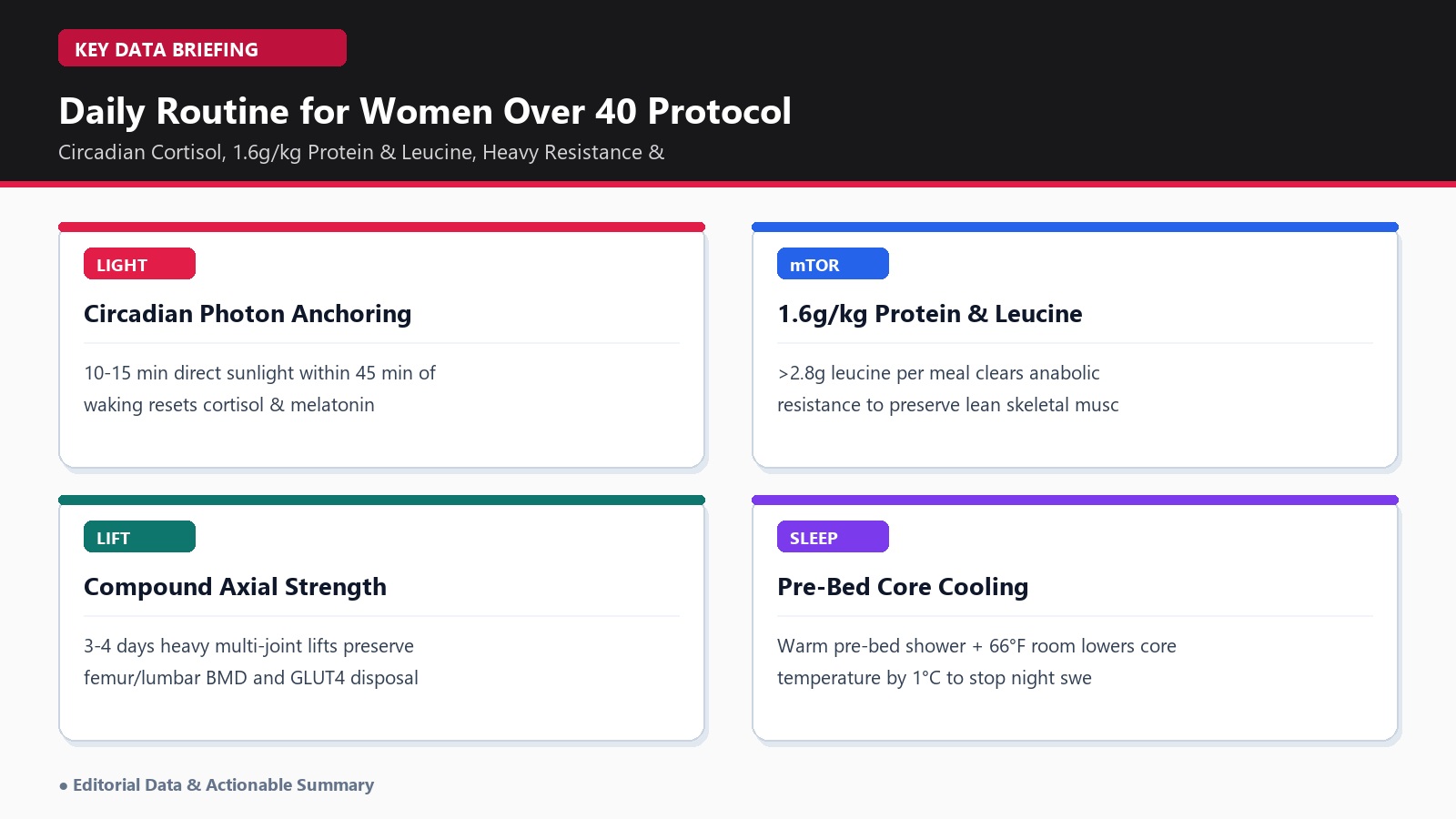
Figure 1: The 4-Pillar Daily Longevity Protocol for Women Over 40: Circadian, Metabolic, Musculoskeletal, and Sleep Architecture.
Daily Routine Architecture: Outdated Habits vs. 2026 Clinical Longevity Standards
Many women over 40 struggle with stubborn abdominal visceral fat, brain fog, and midnight awakenings because their daily routine fights their biology rather than supporting it. The comparison matrix below details the high-impact shifts required across each critical metabolic pillar.
| Routine Pillar | Outdated Approach (What to Avoid) | 2026 Clinical Standard | Target Biomarker & Outcome |
|---|---|---|---|
| 1. Morning Circadian Phase | Indoor coffee immediately upon waking; skipping outdoor light exposure; high-carb breakfast pastry | 10–15 min direct sunlight within 45 min of waking; delay caffeine 90 min; 30g+ protein breakfast | Anchors Cortisol Awakening Response (CAR); elevates nocturnal melatonin; suppresses morning insulin spikes |
| 2. Protein & Muscle Synthesis | Generic RDA (0.8g/kg/day); grazing on small 10–15g protein snacks; fearing dietary protein kidney burden | 1.6–1.8g/kg/day distributed across 3 meals; hitting >2.8g leucine per meal (whey, eggs, salmon) | Overcomes anabolic resistance; maximizes fractional synthetic rate (FSR); reverses age-related sarcopenia |
| 3. Exercise Prescription | 60-minute steady-state chronic cardio (elliptical, running); 3-lb pink dumbbell toning circuits | 3–4 days/week heavy compound resistance (RPE 7–8; squats, deadlifts, presses); Zone 2 brisk walks | Preserves bone mineral density (BMD); triggers osteocalcin; increases skeletal GLUT4 glucose disposal |
| 4. Evening Downregulation | Evening wine as a relaxant; blue light scrolling in bed; sleeping in a warm room (72°F / 22°C) | Alcohol cutoff 4h pre-bed; bedroom cooling to 65–67°F (18–19°C); 300mg Magnesium Glycinate | Prevents REM rebound disruption; lowers heart rate variability (HRV) stress; suppresses perimenopause night sweats |

Figure 2: Progressive resistance training triggers mechanical tension, protecting bone density and metabolic insulin sensitivity after 40.
1. Morning Circadian Phase Locking: Anchoring Cortisol & Thyroid Signaling
The foundation of a successful daily routine for womens health over 40 begins within the first 45 minutes of waking. In perimenopause and postmenopause, the hypothalamic-pituitary-adrenal (HPA) axis becomes hypersensitive to chronic emotional and metabolic stressors. When morning cortisol spikes sluggishly or at the wrong time, it drives mid-morning exhaustion, afternoon sugar cravings, and evening hyper-arousal (“tired but wired”).
To anchor your central circadian pacemaker (the suprachiasmatic nucleus), step outside into direct, unfiltered natural daylight for 10 to 15 minutes (or 20–30 minutes on overcast mornings) within 45 minutes of rising. Viewing morning photons stimulates melanopsin retinal ganglion cells, which send direct signals to the brain to produce a crisp Cortisol Awakening Response (CAR). This pulse shuts off residual melatonin, sparks daytime dopaminergic alertness, and starts an internal 14-to-16 hour countdown timer for natural evening melatonin release.
The 90-Minute Caffeine Delay: Avoid drinking coffee within the first hour of waking. Upon awakening, your brain is clearing leftover adenosine. Flooding adenosine receptors with caffeine immediately creates an artificial block that causes an intense 2:00 PM energy crash. Delaying caffeine for 90 minutes allows natural cortisol to clear adenosine smoothly, sustaining consistent mental clarity through midday without overtaxing adrenal output.
2. Overcoming Anabolic Resistance: The 1.6g/kg Protein & Leucine Protocol
A common pitfall in women’s health is following outdated dietary recommendations of 0.8g of protein per kilogram of body weight. The Recommended Dietary Allowance (RDA) was established merely to prevent acute deficiency states in sedentary populations—not to maintain functional muscle mass, bone matrix density, and metabolic rate during midlife hormonal decline.
As circulating 17β-estradiol drops, skeletal muscle tissue develops anabolic resistance—meaning it requires a significantly higher intracellular amino acid signal to stimulate the mammalian target of rapamycin (mTORC1) and initiate muscle protein synthesis (MPS). Consuming small, sporadic servings of protein (such as 10g in a cereal bowl or salad) completely fails to clear the intramuscular leucine trigger threshold.
The 3-Step Midlife Protein Prescription:
- Total Daily Intake: Aim for 1.6 to 1.8 grams of high-quality protein per kilogram of ideal body weight (approximately 100–125g daily for most women).
- Per-Meal Leucine Threshold: Target 2.8 to 3.2 grams of leucine per main meal, equivalent to roughly 30–40 grams of complete protein (e.g., 5 oz wild salmon, 6 oz pasture-raised chicken breast, or 1 scoop grass-fed whey isolate).
- Breakfast Anchoring: Break your overnight fast with at least 35 grams of protein. This stabilizes postprandial glucose levels, blunts ghrelin (hunger hormone), and prevents late-afternoon sugar bingeing.
3. Structural Strength Training: Preserving Bone Density & GLUT4 Receptors
Chronic, repetitive endurance cardio (such as daily 45-minute sessions on an elliptical or long-distance jogging) without progressive resistance training is one of the most counterproductive habits for women over 40. In an estrogen-depleted state, prolonged cardio elevates circulating cortisol, breaks down muscle tissue, and fails to deliver the high-impact mechanical strain needed to stimulate osteoblasts and prevent osteopenia.
Muscle is your primary organ of longevity and glucose disposal. Skeletal muscle accounts for over 80% of postprandial glucose uptake via GLUT4 glucose transporters. When you lift heavy weights (working at an RPE of 7 to 8, where you have only 2–3 repetitions left in reserve), muscle contractions trigger non-insulin-dependent GLUT4 translocation, dramatically improving insulin sensitivity and protecting against abdominal visceral adiposity.
The 3-Day Compound Training Framework:
Structure your exercise routine around multi-joint functional movements that load the spine and hips:
Structure your exercise routine around multi-joint functional movements that load the spine and hips:
- Lower Body Axial Loading (Monday): Goblet squats, Romanian deadlifts (RDLs), Bulgarian split squats. 3 sets of 6–10 reps. Stimulates femur and lumbar bone mineral density.
- Upper Body Postural Chain (Wednesday): Dumbbell overhead press, chest-supported rows, push-ups. 3 sets of 8–12 reps. Counteracts thoracic kyphosis and strengthens scapular stabilizers.
- Full Body Functional Power (Friday): Kettlebell swings, trap-bar deadlifts, farmer carries. 3 sets of 6–8 reps. Enhances neuromuscular recruitment and grip strength (a direct clinical proxy for all-cause mortality).
4. Precision Longevity Supplementation: Bridging Micronutrient Deficits
While whole food provides the foundational matrix, midlife physiological alterations warrant targeted supplementation. Before spending hundreds of dollars on unverified herbal blends, focus on the four evidence-backed compounds that directly address mitochondrial efficiency, bone turnover, and neuroprotection:
1. Creatine Monohydrate (3–5g Daily)
Creatine is not just for bodybuilders. In women over 40, estrogen declines impair cellular ATP recycling. Daily micronized creatine monohydrate replenishes cerebral phosphocreatine reserves, alleviating hormonal brain fog, preserving muscular power output, and enhancing bone matrix collagen density without bloating.
2. Vitamin D3 (4,000–5,000 IU) + K2 MK-7 (100–180 mcg)
Vitamin D3 operates as a secosteroid hormone regulating immune gene expression and calcium absorption. Vitamin K2 (menaquinone-7) activates osteocalcin and matrix Gla protein, directing circulating calcium into bone hydroxyapatite crystals while preventing arterial calcification.
3. Chelated Magnesium Glycinate / L-Threonate (300–400mg Elemental)
Over 60% of adults fail to meet elemental magnesium requirements. Magnesium glycinate enhances GABAergic neuro-inhibition to soothe evening autonomic nervous system tone, while magnesium L-threonate crosses the blood-brain barrier to promote synaptic plasticity.
4. High-Potency Omega-3 TG Form (2,000mg EPA + DHA)
Declining estrogen leads to an atherogenic lipid shift (increased ApoB and oxidized LDL). A concentrated re-esterified triglyceride (rTG) fish oil with a 2:1 EPA-to-DHA ratio suppresses systemic NF-kB inflammation, lowers triglycerides, and preserves endothelial arterial elasticity.
5. Evening Thermoregulation: Shielding Sleep Architecture from Night Sweats
The hypothalamus houses the body’s thermoregulatory control center. Fluctuating estrogen narrows the brain’s thermoneutral zone; subtle shifts in ambient temperature trigger massive peripheral vasodilation, flushing, and nighttime cold sweats. Consequently, deep slow-wave sleep and REM phases are repeatedly truncated, elevating next-day ghrelin and fasting glucose.
To counteract hypothalamic thermoregulatory instability, implement active pre-bed thermal unloading:
Take a warm shower or bath (104°F / 40°C) 60 to 90 minutes before bedtime. While counterintuitive, warm water draws blood to the distal skin surface (hands and feet); when you step out of the shower, radiant heat dumps rapidly into the air, accelerating the essential 0.5°C to 1.0°C internal core temperature drop required for deep sleep initiation.
Pair this with a bedroom ambient temperature set strictly between 65°F and 67°F (18°C–19°C), breathable 100% eucalyptus or bamboo bedding, and a strict 3-hour evening cutoff for heavy meals and alcohol.
Daily Routine for Women Over 40: The 24-Hour Master Checklist
06:30 AM — Circadian Ignition: 16 oz water with a pinch of Himalayan pink salt; 10–15 min outdoor sunlight walk; no indoor screen browsing.
08:00 AM — Leucine-Rich Breakfast: 35g protein (3 pasture eggs, smoked wild salmon, or whey isolate) + 3–5g creatine monohydrate. First cup of black coffee or matcha.
11:30 AM — Metabolic Movement: 40 minutes of heavy compound strength training (squats, rows, carries) or 30 minutes of Zone 2 brisk walking.
01:00 PM — Nourishing Lunch: 35g protein, leafy greens, avocado or extra virgin olive oil, and complex fibers (quinoa, berries).
02:00 PM — Caffeine Curfew: Zero stimulant intake for the remainder of the day to protect adenosine sleep drive.
06:30 PM — Early Dinner & Hydration Taper: Lean protein with roasted root vegetables.
Complete all major fluid intake by 7:30 PM.
08:30 PM — Digital Sunset & Thermoregulation: Warm Epsom salt bath; dim overhead lights; switch to amber lamps.
09:30 PM — Micronutrient Wind-Down: 300mg Magnesium Glycinate; 10-minute breathwork or journaling; bedroom chilled to 66°F.
10:15 PM — Lights Out: Complete restorative 7.5 to 8.5-hour sleep cycle.
Frequently Asked Questions About Women’s Daily Routine After 40
Q1: Can intermittent fasting still be practiced safely by women over 40?
Yes, but extreme prolonged fasts (18+ hours or 24-hour fasts) often trigger excessive cortisol and thyroid (T3 to reverse T3) conversion issues in perimenopausal women. An optimal window is a gentle 12:12 or 14:10 circadian fast, ensuring you never compress your eating window so much that you fail to consume your daily 1.6g/kg protein target across at least two distinct anabolic meals.
Q2: Will lifting heavy weights cause women in their 40s to look bulky?
No. Women have roughly 10% of the circulating testosterone levels of men. Building excessive muscular bulk requires intentional caloric surpluses and extreme androgenic environments. In your 40s, heavy lifting creates dense, firm myofibrillar hypertrophy, strengthens connective tissue, protects resting metabolic rate, and pulls visceral abdominal fat inward.
Q3: How soon can I expect improvements in energy and sleep after adopting this routine?
Circadian morning sunlight and evening thermoregulation typically produce noticeable improvements in sleep onset and morning alertness within 7 to 10 days. Sarcopenia reversal, enhanced muscle tone, and body composition changes from the 1.6g/kg protein and compound lifting protocol become measurable within 6 to 12 weeks of consistent application.
Q4: What blood biomarkers should women over 40 have checked annually?
Beyond basic lipids and CBC, request: fasting insulin and HbA1c (insulin sensitivity), Apolipoprotein B (ApoB) and hs-CRP (cardiovascular & vascular inflammation), 25-OH Vitamin D, Ferritin (cellular iron reserves), free and total testosterone, DHEA-S, and a complete thyroid panel (TSH, Free T3, Free T4, and TPO antibodies).
Related Clinical Protocols & Evidence Guides
Medical Disclaimer: This article is for educational and informational purposes only and does not substitute for personalized medical advice, diagnosis, or treatment. Always consult with your board-certified endocrinologist, OB/GYN, or functional medicine physician before initiating new exercise protocols, dietary changes, or dietary supplements.