

CLINICAL NUTRITION & LONGEVITY BRIEFING
💡 Coffee Health Benefits: Direct Answer & Longevity Reality
- The Longevity Sweet Spot (3 to 4 Cups Daily): Rigorous prospective data spanning over 500,000 adults in the UK Biobank and Harvard health cohorts confirms that consuming 3 to 4 cups of filtered coffee per day is associated with a 17% reduction in all-cause mortality and a 21% lower risk of cardiovascular disease.
- Potent Hepatic Defense (ALT/AST Protection): Coffee is clinically proven as the most potent dietary hepatoprotective agent, reducing non-alcoholic fatty liver disease (NAFLD) progression by 29% and hepatic cirrhosis by 65% through chlorogenic acid (5-CQA) and Nrf2 antioxidant activation.
- The 2026 Circadian Protocol: Delay your first coffee by 90 to 120 minutes post-waking to allow natural cortisol clearance, always brew through paper filters to trap LDL-elevating diterpenes (cafestol), and enforce a strict 10-hour caffeine curfew before sleep.
For decades, conventional dietary advice mischaracterized morning coffee as an unhealthy cardiovascular stimulant that dangerously elevates blood pressure and dehydrates the kidneys. However, modern nutritional epidemiology and molecular biology have completely overturned this outdated dogma. Today, the clinical coffee health benefits represent one of the most thoroughly substantiated lifestyle interventions for human longevity and metabolic resilience.
Coffee is not merely an aqueous delivery vehicle for caffeine; it represents a complex biological fluid containing over 1,000 distinct bioactive phytochemicals. In Western diets, brewed coffee delivers more daily dietary antioxidants and polyphenols than fruits, vegetables, and tea combined, acting as a powerful modulator of cellular autophagy and insulin sensitivity.
1. Phytochemical Architecture: The Molecular Drivers of Coffee Health Benefits
To comprehend the systemic coffee health benefits, one must look beyond caffeine to the rich phytochemical matrix synthesized within the roasted Arabica and Robusta bean:
Chlorogenic Acids (CGAs): The primary polyphenol family in coffee, dominated by 5-caffeoylquinic acid (5-CQA). A standard 240 mL cup contains between 70mg and 350mg of chlorogenic acids. CGAs act as potent free-radical scavengers, inhibit intestinal alpha-glucosidase to blunt postprandial glucose spikes, and upregulate hepatic nuclear factor erythroid 2-related factor 2 (Nrf2), which drives endogenous glutathione production.
Trigonelline: A bitter alkaloid derived from pyridine metabolism that constitutes roughly 1% of dry bean mass. During roasting, trigonelline partially degrades into nicotinic acid (vitamin B3 / niacin), providing cellular NAD+ precursors while demonstrating independent neuroprotective and glucose-sensitizing properties.
Melanoidins: High-molecular-weight nitrogenous brown polymers formed during the non-enzymatic Maillard reaction. Melanoidins exhibit prebiotic fiber functionality in the human colon, selectively nourishing beneficial Bifidobacterium species and generating anti-inflammatory short-chain fatty acids (SCFAs).
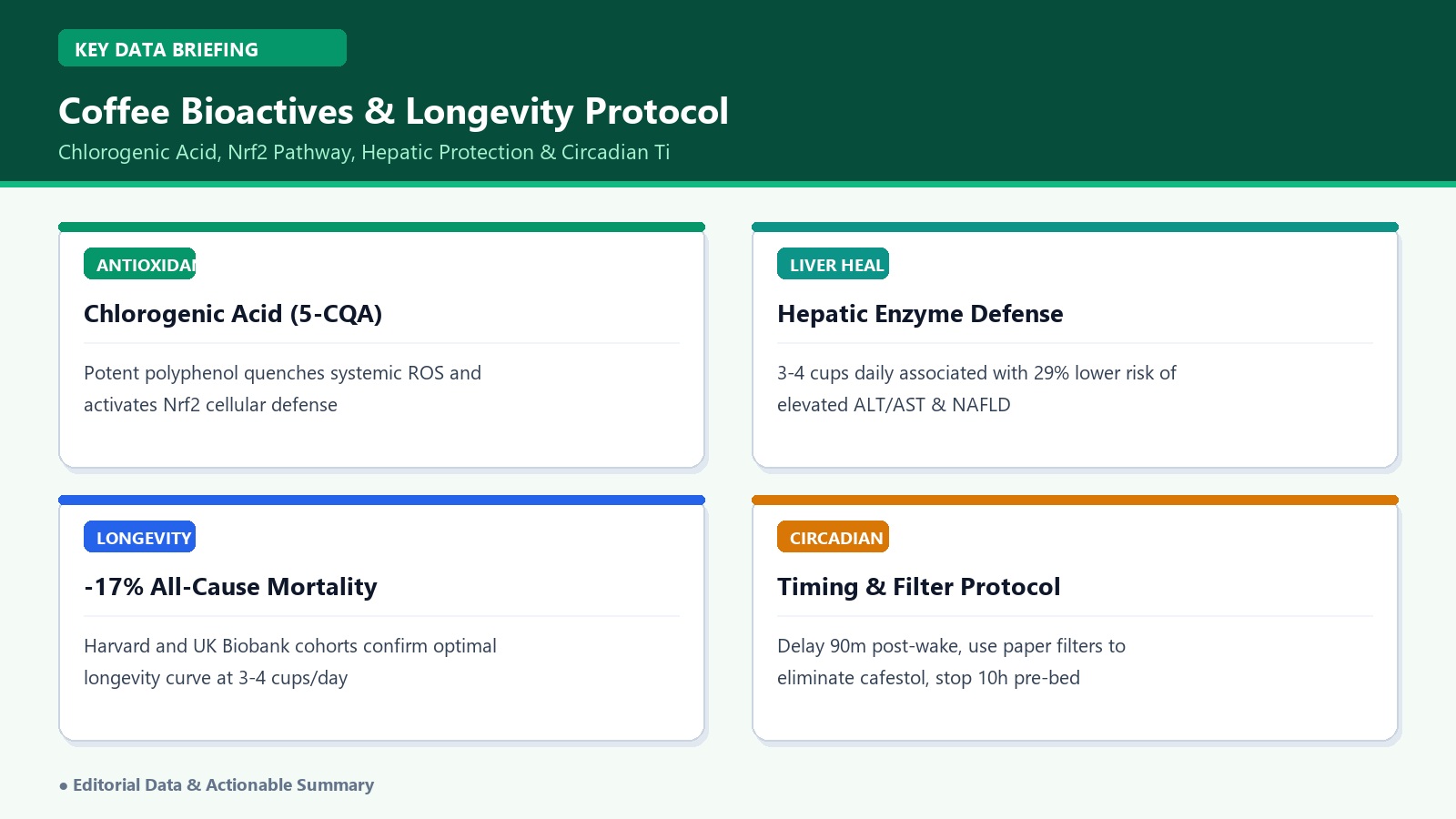
Figure 1: Molecular Architecture: Bioactive Polyphenols, Nrf2 Pathway, and Organ-Specific Longevity Targets.
2. Dose-Response Longevity Curve: Evidence Across 500,000+ Human Subjects
The relationship between daily coffee intake and chronic disease endpoints follows a consistent J-shaped or U-shaped curve in landmark meta-analyses published in the Annals of Internal Medicine and The New England Journal of Medicine.
| Daily Coffee Intake | All-Cause Mortality | Type 2 Diabetes Risk | Liver Cirrhosis & NAFLD | Cardiovascular Events |
|---|---|---|---|---|
| 0 Cups (Non-Drinkers) | Baseline reference (1.00) | Baseline reference (1.00) | Baseline reference (1.00) | Baseline reference (1.00) |
| 1 to 2 Cups Daily | -8% lower risk (HR 0.92) | -12% lower risk (HR 0.88) | -22% lower risk (HR 0.78) | -11% lower risk (HR 0.89) |
| 3 to 4 Cups (Optimal Sweet Spot) | -17% lowest mortality (HR 0.83) | -25% lowest incidence (HR 0.75) | -65% cirrhosis reduction (HR 0.35) | -21% lowest risk (HR 0.79) |
| 5+ Cups Daily | -14% lower risk (plateau) | -28% lower risk | -70% cirrhosis reduction | Attenuates benefit if unmanaged jitter |
3. Hepatic Medicine: How Coffee Reverses Elevated Liver Enzymes (ALT & AST)
Hepatologists frequently refer to coffee as an unofficial prescription for non-alcoholic fatty liver disease (NAFLD) and metabolic-associated steatohepatitis (MASH). Elevated alanine aminotransferase (ALT) and aspartate aminotransferase (AST) enzymes signal ongoing hepatocellular necrosis and lipid peroxidation.
In large-scale observational cohorts conducted across 14,000 adults in the National Health and Nutrition Examination Survey (NHANES), individuals drinking 3 or more cups of coffee daily exhibited significantly lower circulating ALT, AST, and gamma-glutamyl transferase (GGT) concentrations than non-consumers, independent of alcohol intake, body mass index, or viral hepatitis status.
Mechanistically, chlorogenic acids suppress transforming growth factor-beta (TGF-β) signaling in hepatic stellate cells. Because TGF-β drives fibrotic collagen deposition, coffee consumption directly inhibits the structural cross-linking that transforms benign steatosis into irreversible hepatic cirrhosis.
Clinical Takeaway: Hepatic Stiffness Reduction
FibroScan ultrasound assessments confirm that each additional cup of coffee consumed per day decreases hepatic shear-wave velocity by 0.32 kPa, directly reflecting reduced liver stiffness and decelerated fibrogenesis.
4. Cardiometabolic and Brain Longevity: Autophagy Induction and Adenosine Blockade
The neurological and longevity advantages of coffee operate via two distinct pathways: competitive adenosine receptor antagonism and systemic autophagy stimulation.
Caffeine acts as a competitive antagonist of adenosine A1 and A2A receptors in the basal forebrain and striatum. Adenosine progressively accumulates throughout waking hours, creating homeostatic sleep pressure. By occupying these receptors, coffee prevents downstream drowsiness signaling while upregulating dopaminergic neurotransmission, improving vigilance, reaction time, and spatial working memory.
Crucially, landmark research in cell metabolism shows that both caffeinated and decaffeinated coffee trigger systemic autophagy—the cellular cleaning process that disassembles damaged mitochondria and misfolded protein aggregates. In rodent models, coffee consumption induced profound hepatic and neuronal autophagic flux within 1 to 4 hours, suppressing mTOR signaling while activating AMP-activated protein kinase (AMPK).

Figure 2: Precision Brewing: Water Temperature, Paper Filtration, and Morning Circadian Timing.
5. The 2026 Evidence-Based Coffee Protocol: Maximizing Polyphenols While Shielding Sleep
To extract the full therapeutic spectrum of coffee health benefits without causing autonomic hyperarousal, insomnia, or elevated cholesterol, follow these four clinical preparation rules:
Step 1: Always Use Paper Filtration (The Cafestol Trap)
Unfiltered coffee methods—such as French press, Turkish coffee, and boiled espresso—contain high concentrations of cafestol and kahweol. These diterpenes act as potent agonists of the farnesoid X receptor (FXR), suppressing hepatic bile acid synthesis and raising LDL cholesterol and ApoB by 10% to 15%. Passing your coffee through a paper filter traps 99% of cafestol while allowing beneficial polyphenols to pass unimpeded.
Step 2: The 90-to-120-Minute Post-Waking Adenosine Delay
Resist drinking coffee immediately upon opening your eyes. Upon waking, the body produces a natural cortisol awakening response (CAR) to clear residual nocturnal adenosine. Ingesting caffeine during peak CAR spikes cortisol excessively and leads to an afternoon energy crash at 2:00 PM as adenosine binds forcefully once caffeine clears. Delaying your first cup by 90 to 120 minutes stabilizes daytime energy curves.
Step 3: The 10-Hour Caffeine Curfew
The average elimination half-life of caffeine ranges between 5.5 and 9.5 hours depending on hepatic CYP1A2 genetics. Consuming 200mg of caffeine 6 hours before bedtime reduces slow-wave restorative sleep by more than one hour, even in individuals who report “falling asleep easily.” Enforce a strict caffeine cutoff at least 10 hours prior to your intended bedtime.
Step 4: Medium Roast Optimization for Chlorogenic Acid
Excessively dark roasts (French roast, Italian roast) degrade up to 85% of native chlorogenic acids through prolonged thermal exposure (pyrolysis). Light to medium roasts preserve the highest total polyphenol and antioxidant capacity per gram of whole bean.
6. Frequently Asked Questions Regarding Coffee Health Benefits and Longevity
Q1. Does decaffeinated coffee provide the same longevity and liver benefits as regular coffee?
Yes, to a remarkable degree. Large-scale prospective cohorts in the UK Biobank found that decaf drinkers achieved significant reductions in all-cause mortality and type 2 diabetes risk. Decaffeination (especially via the Swiss Water Process) preserves chlorogenic acids and trigonelline, proving that the primary longevity power of coffee stems from its polyphenolic matrix rather than caffeine.
Q2. How does CYP1A2 gene status affect individual tolerance and cardiovascular risk?
The hepatic CYP1A2 enzyme metabolizes 95% of ingested caffeine. Homozygous carriers of the CYP1A2*1A allele are “fast metabolizers” who experience robust cardiovascular protection from 3 to 4 cups daily. Individuals carrying the *1F allele are “slow metabolizers” who clear caffeine slowly; in this group, exceeding 2 cups daily can cause transient blood pressure elevation and palpitations.
Q3. Should I worry about mold, mycotoxins, and ochratoxin A in commercial coffee?
Marketing claims regarding widespread mycotoxin contamination are largely fear-based commercial exaggerations. Modern agricultural regulations enforce strict wet-processing and thermal roasting at temperatures exceeding 200°C (392°F), which destroys over 80% to 90% of trace mold metabolites, keeping levels far below FDA and European Food Safety Authority (EFSA) limits.
Q4. Does adding milk or plant-based creamer deactivate the antioxidants in coffee?
Milk proteins (casein) can reversibly bind chlorogenic acids, forming polyphenol-protein complexes. However, in vivo bioavailability studies show these bonds dissociate in the digestive tract, resulting in equivalent total urinary antioxidant excretion over 24 hours. While black coffee is ideal for intermittent fasting, a splash of unsweetened milk does not negate long-term health benefits.
7. Primary Clinical References and Epidemiological Sources
- Annals of Internal Medicine (Gunter et al.): Coffee Drinking and Mortality in 10 European Countries: A Multinational Cohort Study. Analyzing 521,330 individuals in the EPIC study showing reduced all-cause and liver mortality. PMID: 28693038.
- Harvard T.H. Chan School of Public Health: The Nutrition Source: Coffee. Comprehensive review of long-term cohorts (Nurses’ Health Study and Health Professionals Follow-Up Study).
- Cell Metabolism (Pietrocola et al.): Coffee induces autophagy in vivo. Demonstrating systemic mTOR inhibition and cellular cleaning cascades in liver, heart, and muscle. PMID: 24768297.
- European Journal of Preventive Cardiology (Chieng et al.): The impact of coffee subtypes on incident cardiovascular disease and mortality: A UK Biobank study. Comparing ground, instant, and decaf coffee endpoints. PMID: 36165518.
- Journal of Hepatology: Systematic review with meta-analysis: The protective effect of coffee against hepatic fibrosis and cirrhosis. PMID: 26868840.
Related Clinical Protocols & Evidence Guides