
Key Takeaways
- Herbal formulas may support energy and hormonal balance
- Quality ingredients and proper sourcing matter
- Professional consultation enhances effectiveness
- Consistent use complements overall wellness
Understanding Women’s Health Herbal Formulas
Women’s health herbal formulas may offer natural support for hormonal balance, energy, and overall vitality. These blends often combine adaptogens, botanicals, and nutrients to address physiological needs unique to women, such as menstrual cycle regulation, menopausal transitions, and stress adaptation. While traditional medicine has used these ingredients for centuries, modern formulations prioritize quality control and scientific validation. Research suggests some herbal compounds may help maintain balance in the body’s endocrine and immune systems, making them a strategic complement to healthy lifestyle practices.

Scientific Backing for Herbal Wellness
Emerging studies highlight the potential of herbal ingredients in women’s health. For instance, peer-reviewed journals note that phytoestrogens in red clover and black cohosh may interact with estrogen receptors. Clinical trials on ashwagandha indicate stress-reducing properties that support adrenal function. While not a substitute for medical treatment, these findings underscore the value of evidence-based formulations. Experts recommend looking for standardized extracts with published research, as ingredient efficacy often depends on concentration and bioavailability.
Holistic Approach to Hormonal Balance
Traditional systems like Ayurveda and Traditional Chinese Medicine (TCM) emphasize whole-plant synergy for systemic balance. This philosophy influences modern blends targeting hormonal health through multiple pathways—adrenal support, liver detoxification, and neurotransmitter regulation. For example, schisandra berries used in TCM may support liver function, which plays a role in hormone metabolism. A holistic strategy combines these botanicals with dietary and lifestyle adjustments to create sustainable wellness foundations.
Key Benefits of Herbal Support for Women
Targeted herbal formulas address three primary domains: physical energy, emotional equilibrium, and systemic resilience. As women age, maintaining vitality while managing stress becomes increasingly complex. Adaptogenic and nutritive herbs work synergistically to support these interconnected systems without the side effects commonly associated with synthetic compounds.
Natural Energy Boost and Vitality
Certain botanicals may enhance cellular energy production mechanisms. Eleutherococcus senticosus (Siberian ginseng) has been studied for ATP synthesis support, while cordyceps mushrooms show promise for mitochondrial efficiency. Unlike stimulants, these adaptogens help the body prioritize energy allocation, promoting stamina without post-activity fatigue. Clinical observations suggest sustained benefits after 6-8 weeks of regular use, particularly when combined with adequate sleep and hydration.
Mood Stability and Emotional Wellness
Adaptogenic herbs like rhodiola and ashwagandha may modulate cortisol levels and influence neurotransmitter activity. A 2022 systematic review in Phytotherapy Research noted ashwagandha’s association with reduced anxiety scores in perimenopausal women. These effects likely stem from hypothalamic-pituitary-adrenal (HPA) axis regulation, which connects the central nervous system with endocrine functions. Emotional wellness formulas often pair these adaptogens with calming nervines like lemon balm or passionflower for comprehensive support.
Digestive and Immune System Support
The gut-immune connection is critical in women’s health. Probiotic-enhanced herbal formulas sometimes include prebiotic fibers from burdock root or dandelion. Echinacea and astragalus have been studied for immune-modulating properties, with some research showing improved secretory IgA levels—a marker of mucosal immunity. Digestive-focused blends may incorporate carminatives like ginger or peppermint to address age-related changes in gastrointestinal motility.
Popular Herbal Ingredients and Their Roles
Adaptogens for Stress Management
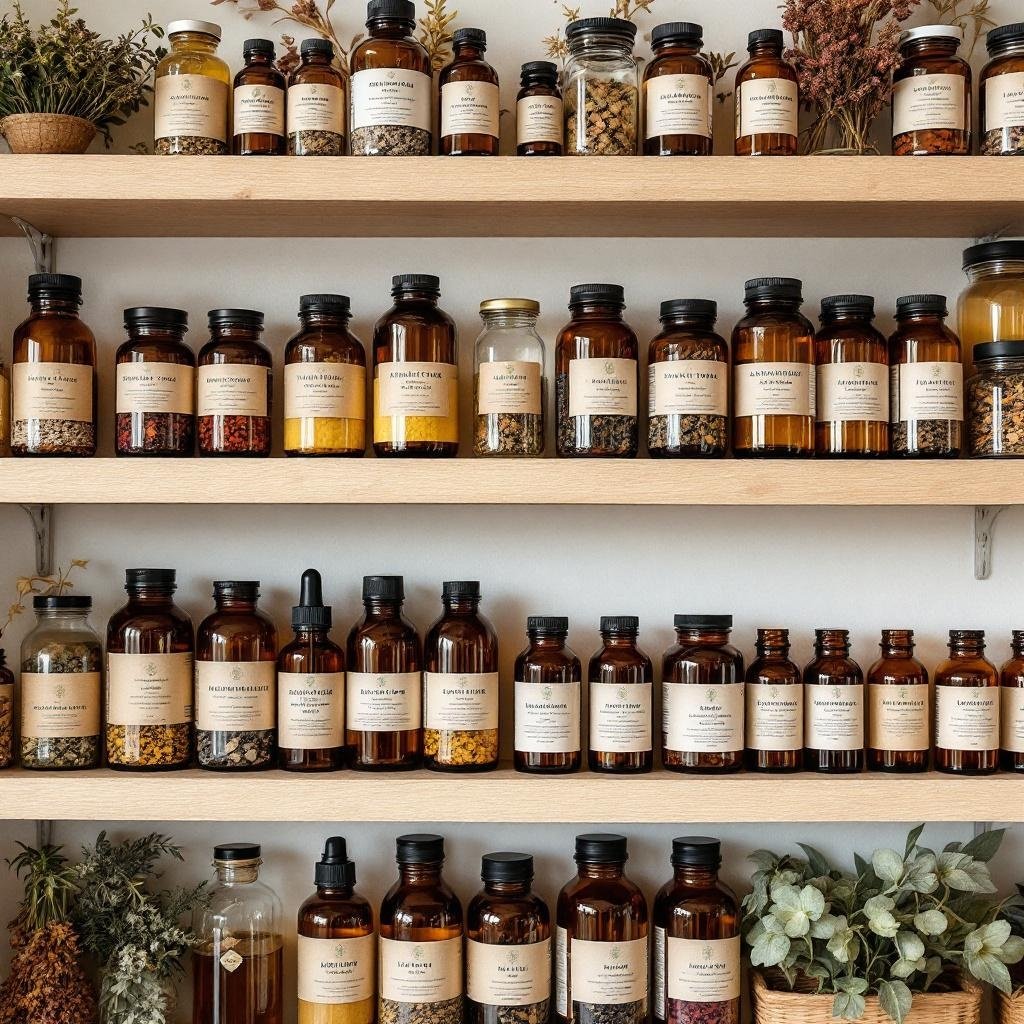
Adaptogens like ashwagandha, maca, and holy basil help the body respond to stressors by regulating cortisol and heat shock proteins. Human trials demonstrate ashwagandha’s ability to lower serum cortisol by up to 30% versus placebo. These herbs work gradually, enhancing cellular stress resistance without disrupting normal hormonal rhythms. Practitioners often recommend morning or midday dosing to align with the body’s natural circadian cortisol curve.
Botanicals for Menopausal Transitions
Specific botanicals may address vasomotor symptoms and bone health. The North American Menopause Society references black cohosh’s potential for short-term hot flash reduction, while red clover contains isoflavones that weakly bind estrogen receptors. Recent studies suggest maca may support mood and libido during menopause. For bone health, formulas sometimes combine vitamin D with herbs like horsetail rich in silica—an essential mineral for connective tissue.
Choosing the Right Formula for Your Needs
Effective selection requires evaluating formulation principles, ingredient transparency, and compatibility with individual health status. Not all supplements are created equal, especially given the FDA’s limited pre-market oversight of dietary supplements.
Quality Standards and Certifications
Look for third-party certifications like NSF International or USP verification. These ensure accurate labeling and screen for contaminants such as heavy metals and microbial impurities. Standardized extracts guarantee consistent active compound concentrations—check for markers like withanolides in ashwagandha or ginsenosides in ginseng. Organic certification and sustainable sourcing practices often correlate with reduced pesticide exposure and ecological responsibility.
Consultation with Healthcare Practitioners
Before starting any regimen, discuss herbal use with a qualified provider, especially if taking prescription medications. Herbs like black cohosh may interact with liver enzymes, while adaptogens could theoretically affect thyroid medication absorption. An integrative healthcare practitioner can assess hormonal profiles and genetic factors (e.g., COMT gene variations affecting estrogen metabolism) to guide personalized choices.
Incorporating Herbal Formulas into Wellness Routines
Consistency and synergy with other health practices maximize benefits. Think of herbal support as foundational nutrition for physiological systems—effects accumulate gradually through regular use.
Timing and Consistency Strategies
Establish a routine to maintain steady blood levels. For adrenal support, morning dosing aligns with cortisol production peaks. Evening formulations containing calming herbs like valerian or chamomile may improve sleep quality. Set calendar reminders or store bottles with daily vitamins to reinforce adherence. Track progress systematically—note energy levels weekly or use thermometers to monitor hot flash frequency during menopause transitions.
Combining with Nutritious Diets
Botanicals work best alongside whole-food nutrition. Phytoestrogen-rich herbs synergize with lignan-containing foods like flaxseeds, while adaptogens require adequate mineral reserves for optimal function. Consider pairing stress-support formulas with magnesium-rich leafy greens or vitamin C sources that enhance iron absorption from iron-containing herbs like nettle. Avoid excessive caffeine or alcohol, which may interfere with liver metabolism of herbal compounds.
FAQ
Q: Are herbal formulas safe for daily use?
A: Quality-controlled formulas are generally safe when used as directed. Always consult healthcare providers before starting any regimen.
Q: How long before noticing benefits?
A: Individual responses vary—consistent use over 4-8 weeks typically shows measurable effects. Results depend on lifestyle and formula composition.
Q: Can formulas help with menopause symptoms?
A: Certain botanicals may support hormonal balance. Research suggests potential benefits, but responses vary between individuals.
Q: What makes women’s formulas different?
A: Formulations target specific needs like hormonal cycles, bone health, and stress adaptation. Ingredients are tailored for women’s physiology.
Key Takeaways
- Herbal formulas may support energy and hormonal balance
- Quality ingredients and proper sourcing matter
- Professional consultation enhances effectiveness
- Consistent use complements overall wellness
Frequently Asked Questions
Are herbal formulas safe for daily use?
Quality-controlled formulas are generally safe when used as directed. Always consult healthcare providers before starting any regimen.
How long before noticing benefits?
Individual responses vary – consistent use over 4-8 weeks typically shows measurable effects. Results depend on lifestyle and formula composition.
Can formulas help with menopause symptoms?
Certain botanicals may support hormonal balance. Research suggests potential benefits, but responses vary between individuals.
What makes women's formulas different?
Formulations target specific needs like hormonal cycles, bone health, and stress adaptation. Ingredients are tailored for women's physiology.
Disclaimer: This article is for informational purposes only and does not constitute medical advice. Always consult a qualified healthcare provider before making changes to your health regimen.