
1-Minute Clinical Decision Briefing
Collagen Peptides vs Bone Broth for Skin Elasticity: The Bioavailability Verdict
When evaluating collagen peptides vs bone broth for skin elasticity, the decisive clinical factor is molecular weight and circulating dipeptide bioavailability. Traditional bone broth yields unhydrolyzed gelatin with massive molecular weights (30,000–300,000 Da) that break down randomly during digestion, failing to trigger dermal fibroblasts.
In contrast, enzymatic hydrolyzed collagen peptides deliver micro-tripeptides (2,000–5,000 Da, specifically Proline-Hydroxyproline and Hydroxyproline-Glycine) that enter systemic circulation intact within 60 minutes. Randomized double-blind clinical trials prove that 5g to 10g of hydrolyzed collagen peptides daily increases dermal hydration by 28% and skin elasticity by 15–20% over 8 to 12 weeks, whereas bone broth provides culinary glycine and gut barrier glutamine without targeted skin remodeling.
Aging past 40 accelerates intrinsic dermal degradation. Starting in our late 20s, endogenous collagen synthesis declines by roughly 1% to 1.5% each year. By the onset of perimenopause, hormonal estrogen shifts precipitate an alarming 30% collapse in dermal Type I and Type III collagen within the first five years alone, manifesting as structural laxity, epidermal thinning, and fine wrinkling.
In response, health enthusiasts are torn between two popular dietary strategies: artisanal slow-simmered bone broth and modern hydrolyzed collagen peptide powders. Choosing between collagen peptides vs bone broth for skin elasticity requires cutting through marketing folklore to understand gastrointestinal peptide transport, human clinical pharmacokinetic trials, and dermal fibroblast receptor signaling.
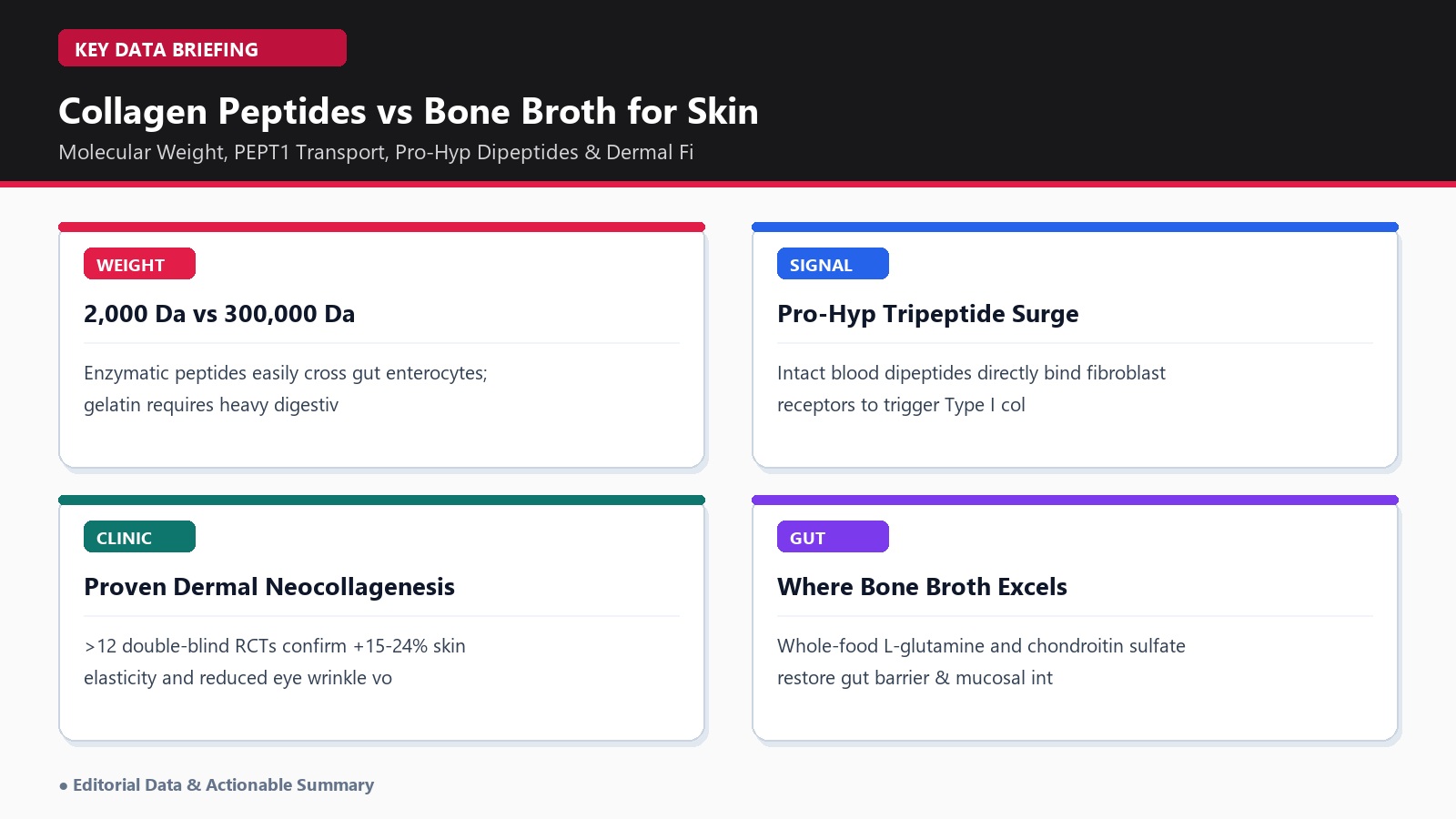
Figure 1: Pharmacokinetic Triad: Molecular Weight, Systemic Dipeptide Transport, and Dermal Fibroblast Activation.
Collagen Peptides vs Bone Broth: The 5-Pillar Clinical Comparison
While both sources derive from animal connective tissue, their molecular structures, absorption kinetics, and target tissue impacts diverge drastically. The clinical matrix below evaluates both options across all therapeutic endpoints.
| Biological Metric | Hydrolyzed Collagen Peptides | Slow-Simmered Bone Broth | Clinical Winner & Mechanism |
|---|---|---|---|
| 1. Molecular Weight (Daltons) | 2,000 to 5,000 Da (Enzymatically hydrolyzed into short di- and tri-peptides) | 30,000 to 300,000 Da (Intact gelatin; high-viscosity long chains) | Peptides: 10x smaller molecules easily penetrate intestinal enterocytes via PEPT1 transporters |
| 2. Pro-Hyp & Hyp-Gly Blood Surge | Peak plasma concentrations reach 50–70 µmol/L within 60–90 minutes post-ingestion | Negligible intact dipeptides; broken down into generic single amino acids (Gly, Pro) | Peptides: Intact circulating dipeptides act as hormonal signals to stimulate dermal fibroblasts |
| 3. Dermal Elasticity & Hydration Data | Proven in >12 randomized controlled trials (RCTs): +15–24% elasticity; -20% eye wrinkle depth | Zero human RCTs demonstrating skin-specific elasticity improvement | Peptides: High-grade Level 1 clinical evidence directly validating dermal neocollagenesis |
| 4. Dosing Consistency & Potency | Standardized 10g scoop yields exact 9,000mg bioavailable Type I/III collagen | Highly erratic (1 cup contains between 1.5g to 6g gelatin depending on simmer time) | Peptides: Precision clinical dosing eliminates guess-work and guarantees daily therapeutic threshold |
| 5. Contaminant Risk & Histamine | Virtually zero histamine; filtered to remove heavy metals (lead/cadmium <0.01 ppm) | High histamine from 24h+ simmering; potential bone marrow heavy metal leaching (lead) | Peptides: Superior tolerability for histamine-intolerant, perimenopausal, and sensitive individuals |

Figure 2: Daily hydrolyzed collagen peptides supply circulating Pro-Hyp dipeptides, initiating deep dermal fibroblast matrix renewal.
1. The Molecular Weight Chasm: Why Gelatin Fails Where Peptides Succeed
To comprehend why the battle of collagen peptides vs bone broth for skin elasticity ends in a decisive victory for peptides, you must examine intestinal transport biology. Intact collagen in animal bones and cartilage is a dense, triple-helix protein with an immense molecular mass of approximately 300,000 Daltons (Da).
When you simmer animal bones for 12 to 24 hours, thermal denaturation untwists these triple helices into gelatin. While gelatin dissolves in hot water, its constituent polypeptide chains remain massive—averaging between 30,000 and 100,000 Da. The human small intestine cannot absorb molecules of this magnitude. Consequently, gastric acid and pancreatic proteases (pepsin, trypsin, chymotrypsin) aggressively cleave gelatin into random individual amino acids: glycine, proline, and hydroxyproline.
Once reduced to individual amino acids, these building blocks enter the general hepatic portal pool. Your liver distributes them indiscriminately—using glycine for phase II liver detoxification, glutathione synthesis, and creatine manufacture. None of this guarantees that your dermal fibroblasts will receive the stimulus required to weave new extracellular matrix fibers.
In stark contrast, pharmaceutical-grade collagen peptides undergo controlled enzymatic hydrolysis. Proteolytic enzymes cleave the bonds at specific proline and glycine residues, yielding uniform micro-peptides with molecular weights of 2,000 to 5,000 Da. These compact tripeptides utilize the intestinal oligopeptide transporter 1 (PEPT1) to cross the gut barrier directly into the bloodstream without degradation.
2. The Bioactive Signal: How Pro-Hyp Dipeptides Wake Up Dormant Fibroblasts
A common misconception is that ingested collagen simply migrates to the skin and glues itself into wrinkles. In reality, collagen peptides function as sophisticated cellular signaling molecules.
Pharmacokinetic studies demonstrate that following the consumption of hydrolyzed collagen peptides, blood plasma surges with high concentrations of two distinct dipeptides: Proline-Hydroxyproline (Pro-Hyp) and Hydroxyproline-Glycine (Hyp-Gly). These dipeptides remain intact in human circulation for several hours, resistant to plasma peptidases.
When Pro-Hyp reaches the dermal extracellular matrix, it binds directly to cell surface receptors on dermal fibroblasts. The body interprets the sudden presence of high circulating Pro-Hyp as a signal that major tissue damage or collagen breakdown has occurred. In response, fibroblasts accelerate metabolic activity:
- Neocollagenesis: Upregulates gene expression for COL1A1 and COL1A2, triggering de novo synthesis of mature Type I collagen fibers.
- Hyaluronic Acid Upregulation: Stimulates Hyaluronan Synthase-2 (HAS2), multiplying moisture retention in the dermis and plumping extracellular space.
- Elastin Fiber Stabilization: Enhances tropoelastin cross-linking, restoring spring-like recoil and skin rebound elasticity.
Bone broth completely lacks the ability to deliver this concentrated, rapid dipeptide spike. While bone broth provides valuable systemic nutrients, it does not generate the targeted pharmacological signal required for skin rejuvenation.
3. Where Bone Broth Truly Excels: Gut Barrier Integrity & Neuro-Calm
While bone broth is inferior for targeted skin elasticity, it remains an exceptional functional whole food with distinct therapeutic applications. Understanding the strengths of bone broth allows you to integrate both modalities strategically:
1. Intestinal Mucosal Barrier Repair (L-Glutamine)
Bone broth is rich in conditionally essential L-glutamine, the primary metabolic fuel for enterocytes lining the gut epithelium. It upregulates tight junction proteins (Claudin-1, Occludin, ZO-1), preventing intestinal hyperpermeability (“leaky gut”) and reducing systemic inflammatory flare-ups that trigger acne and rosacea.
2. Glycosaminoglycans (GAGs) & Joint Matrix
Simmering animal joints extracts chondroitin sulfate, hyaluronic acid precursors, and glucosamine. These sulfated polysaccharides support synovial fluid viscosity in knee and hip joints, providing structural joint comfort beyond skin concerns.
3. Glycine Neuro-Inhibition & Sleep Depth
A warm cup of bone broth provides 2.5g to 4g of dietary glycine. Glycine acts on NMDA receptors in the suprachiasmatic nucleus to lower nocturnal core body temperature, facilitating rapid entry into non-REM slow-wave sleep.
4. Safety & Purity Hazards: The Histamine & Lead Conundrum
When formulating an anti-aging protocol, safety and purity are non-negotiable. Two hidden drawbacks frequently plague individuals consuming large quantities of homemade bone broth:
1. Histamine Intolerance & Vasomotor Flushing: Long simmering times (18–36 hours) allow bacteria on the bone surface to convert the amino acid histidine into histamine. In perimenopausal women with declining diamine oxidase (DAO) enzyme activity, high-histamine bone broth frequently triggers facial flushing, palpitations, throbbing migraines, and insomnia—mimicking severe hormonal hot flashes.
2. Heavy Metal (Lead) Sequestration: Over an animal’s lifetime, environmental lead and cadmium sequester heavily into cortical bone hydroxyapatite. A landmark study published in Medical Hypotheses found that broths cooked from chicken bones contained up to a tenfold increase in lead concentrations compared to the water alone. Hydrolyzed collagen peptide powders, by comparison, undergo rigorous multi-stage microfiltration, centrifugation, and heavy-metal testing, ensuring lead levels remain strictly below undetectable clinical thresholds (<0.01 ppm).
The 2026 Dual Protocol: Maximizing Skin Elasticity & Systemic Longevity
Morning Skin Activation (Hydrolyzed Peptides): Dissolve 10 grams of grass-fed bovine Type I/III hydrolyzed collagen peptides (or wild-caught marine collagen) into morning coffee, matcha, or water. Consume alongside 100mg of Vitamin C (ascorbic acid or sodium ascorbate), an essential enzymatic co-factor for prolyl and lysyl hydroxylase in dermal collagen assembly.
Evening Gut & Sleep Restorative (Bone Broth): Enjoy 1 warm cup (8–10 oz) of pasture-raised, low-sodium organic bone broth at 6:30 PM with dinner.
Evening Gut & Sleep Restorative (Bone Broth): Enjoy 1 warm cup (8–10 oz) of pasture-raised, low-sodium organic bone broth at 6:30 PM with dinner.
This provides soothing gut barrier glutamine, joint chondroitin, and restorative sleep glycine without overloading your evening digestion.
Synergistic Co-Factors: Pair your peptide routine with 50mg of hyaluronic acid and 4mg of natural astaxanthin to protect newly synthesized dermal collagen fibers from UV-induced matrix metalloproteinase (MMP-1) photo-degradation.
Synergistic Co-Factors: Pair your peptide routine with 50mg of hyaluronic acid and 4mg of natural astaxanthin to protect newly synthesized dermal collagen fibers from UV-induced matrix metalloproteinase (MMP-1) photo-degradation.
Frequently Asked Questions: Collagen Peptides vs Bone Broth
Q1: How long does it take for collagen peptides to improve measurable skin elasticity?
Clinical trials employing cutometer suction elasticity tests show statistically significant improvements in skin hydration and firmness within 4 to 8 weeks of daily 10g supplementation. Maximum structural remodeling, including a 15–20% increase in dermal echogenicity and reduced wrinkle volume, is achieved at 12 weeks of continuous use.
Q2: Is marine collagen better than bovine collagen peptides for skin elasticity?
Marine collagen is composed almost entirely of Type I collagen—the exact collagen subtype accounting for 80% of human dermal structure. Because marine collagen peptides feature a slightly lower average molecular weight (~2,000 Da), their gastrointestinal absorption is 1.5 times faster than bovine peptides. However, high-grade grass-fed bovine peptides deliver comparable 12-week clinical outcomes at a significantly lower cost per gram.
Q3: Can I get enough collagen for my skin simply by drinking bone broth every day?
It is clinically unlikely. The collagen in bone broth is unhydrolyzed gelatin that breaks down into generic amino acids rather than bioactive Pro-Hyp dipeptides. Furthermore, home-brewed bone broth contains variable, unstandardized gelatin concentrations (often as low as 2g per cup), requiring 4 to 5 cups daily to match the protein volume of a single standardized 10g peptide scoop.
Q4: Does taking collagen peptides break an intermittent fast?
Yes. A 10-gram serving of pure collagen peptides contains approximately 36 to 40 calories and 9 grams of protein. This caloric load and influx of amino acids activates intestinal nutrient transporters, mildly stimulates insulin secretion, and temporarily pauses cellular autophagy (mTOR activation). If practicing strict fasting for autophagy, consume your collagen peptides inside your primary eating window.
Related Clinical Protocols & Evidence Guides
Medical Disclaimer: This article is for educational and scientific research purposes only and is not intended as medical advice, diagnosis, or treatment. Always consult with your primary healthcare provider, board-certified dermatologist, or clinical nutritionist before adding new dietary supplements to your routine, especially if you have chronic kidney disease, severe food allergies, or histamine intolerance.