
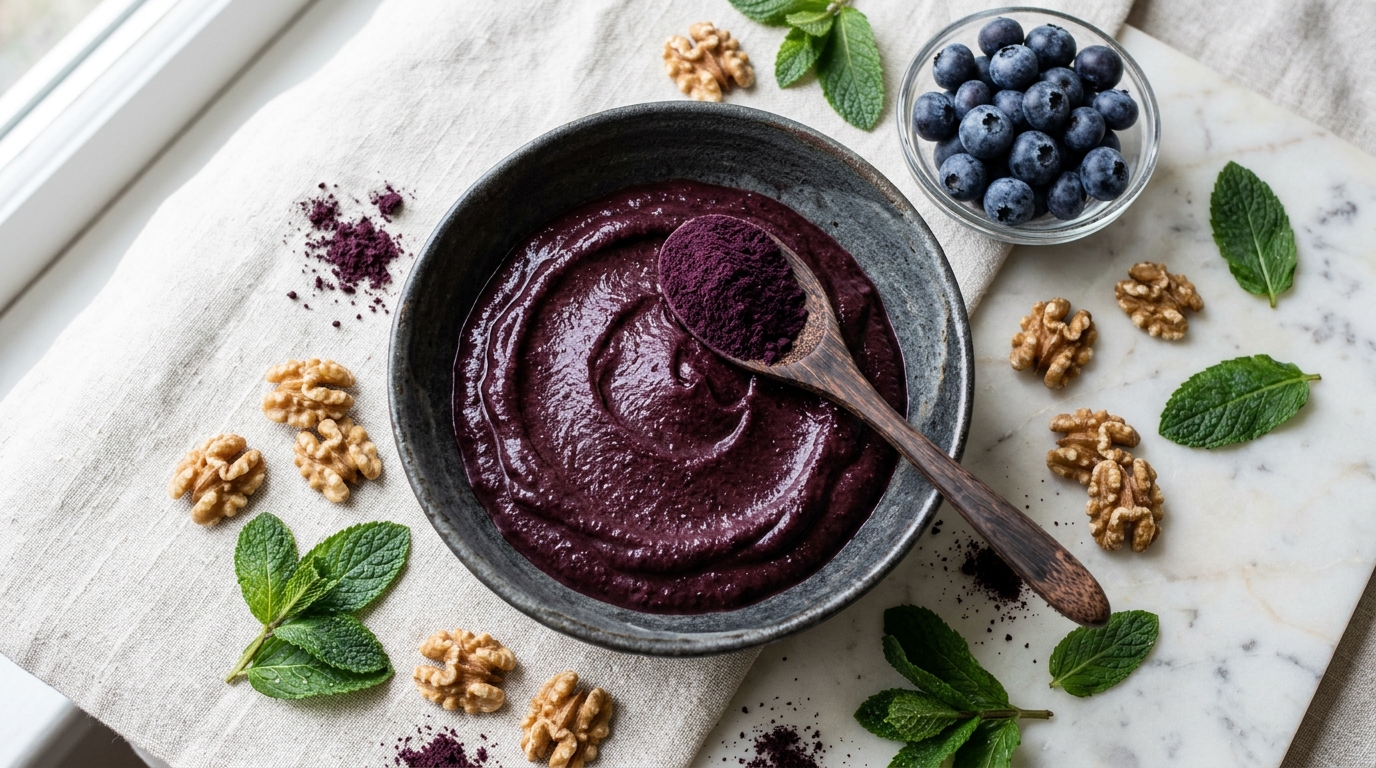
EDITOR’S 1-MINUTE CLINICAL BRIEFING
Acai Berry vs. Wild Blueberry vs. Maqui: The Antioxidant Truth
- The Zero-Sugar, High-Lipid Anomaly: Unlike nearly all other fruits, raw freeze-dried acai (Euterpe oleracea) contains 0 grams of natural sugar. Instead, 50% of its dry weight consists of healthy monounsaturated fatty acids (oleic acid Omega-9 and linoleic acid Omega-6)—providing a natural lipid carrier that enhances anthocyanin absorption across the intestinal wall.
- The Commercial Acai Bowl Sugar Trap: The average cafe “acai bowl” blends sweetened acai puree with apple juice, bananas, and honey, delivering 45 to 65 grams of rapid fructose—spiking fasting insulin and inducing glycation (AGEs) that destroys the exact skin collagen users hope to protect.
- The Pure Anthocyanin Synergy: Combining pure unsweetened acai (Cyanidin-3-rutinoside for vascular nitric oxide) with wild blueberries (Malvidin for hippocampal neurogenesis) and maqui berry (Delphinidin for cellular inflammation) provides an aggregate Oxygen Radical Absorbance Capacity (ORAC) exceeding 100,000 µmol TE/100g.
When exploring acai berry benefits and usage tips in modern preventative nutrition, separating commercial marketing hype from physiological biochemistry is vital. For over fifteen years, acai has been branded as a weight-loss miracle and superfood elixir. Yet millions of consumers inadvertently consume sugary dessert bowls disguised as health foods, wondering why their inflammatory biomarkers, blood lipids, and visceral fat remain unchanged.
According to nutritional analyses from the NIH Office of Dietary Supplements and clinical trials published in The American Journal of Clinical Nutrition, authentic Amazonian acai is a clinical cardiovascular and vascular endothelial powerhouse—provided it is consumed in its unsweetened, freeze-dried lipid matrix. Below is the definitive head-to-head ORAC comparison, clinical longevity matrix, and authentic usage guide.
1. Head-to-Head Comparison Matrix: Acai vs. Wild Blueberry vs. Maqui
This clinical comparison contrasts the primary anthocyanins, oxygen radical absorbance capacity (ORAC), macronutrient lipid ratios, vascular mechanisms, and optimal daily usage for the top three longevity berries:
| Nutritional / Clinical Parameter | Acai Berry (Euterpe oleracea) | Wild Blueberry (Vaccinium angustifolium) | Maqui Berry (Aristotelia chilensis) |
|---|---|---|---|
| Dominant Anthocyanin Subtype | Cyanidin-3-glucoside & Cyanidin-3-rutinoside (~90% of total polyphenol pool) | Complex blend: Malvidin, Delphinidin, Petunidin, and Peonidin (over 15 active pigments) | Extremely high concentration of Delphinidins (~80% of total anthocyanin content) |
| ORAC Value (Freeze-Dried / 100g) | ~102,700 µmol TE/100g (Exceptional lipid-peroxidation defense) | ~9,600 to 14,000 µmol TE/100g (2x higher than cultivated supermarket blueberries) | ~198,500 µmol TE/100g (The highest verified ORAC score of any wild fruit) |
| Macronutrient Profile (Sugar vs. Fat) | 0g sugar, 5g healthy fat (Oleic acid ~56%, Linoleic ~24%); acts like an oily avocado | 10g natural fructose/glucose, 0.3g fat, 3.5g dietary fiber per 100g fresh fruit | 4g natural sugar, 1.5g fat, 8g dense prebiotic fiber per 100g freeze-dried powder |
| Primary Longevity / Organ Target | Vascular Endothelium & eNOS: Increases flow-mediated dilation and stabilizes LDL oxidation | Neurocognitive Preservation (BDNF): Crosses blood-brain barrier to clear microglial neuroinflammation | Cellular NF-kB & Ocular Hydration: Relieves dry eye syndrome and downregulates inflammatory cytokines |
| Skin Collagen & UV Photoprotection | Inhibits matrix metalloproteinases (MMP-1/MMP-9) that degrade dermal collagen fibers | Improves microvascular capillary perfusion supplying dermal fibroblasts | Protects dermal keratinocytes against solar UVA-induced cellular senescence and erythema |
| Recommended Daily Serving | 1 packet (100g) unsweetened frozen pulp or 1–2 tbsp (5–10g) freeze-dried powder | 1/2 to 1 cup (75g–150g) whole frozen wild blueberries daily | 1 teaspoon (3g–5g) standardized freeze-dried maqui powder daily |
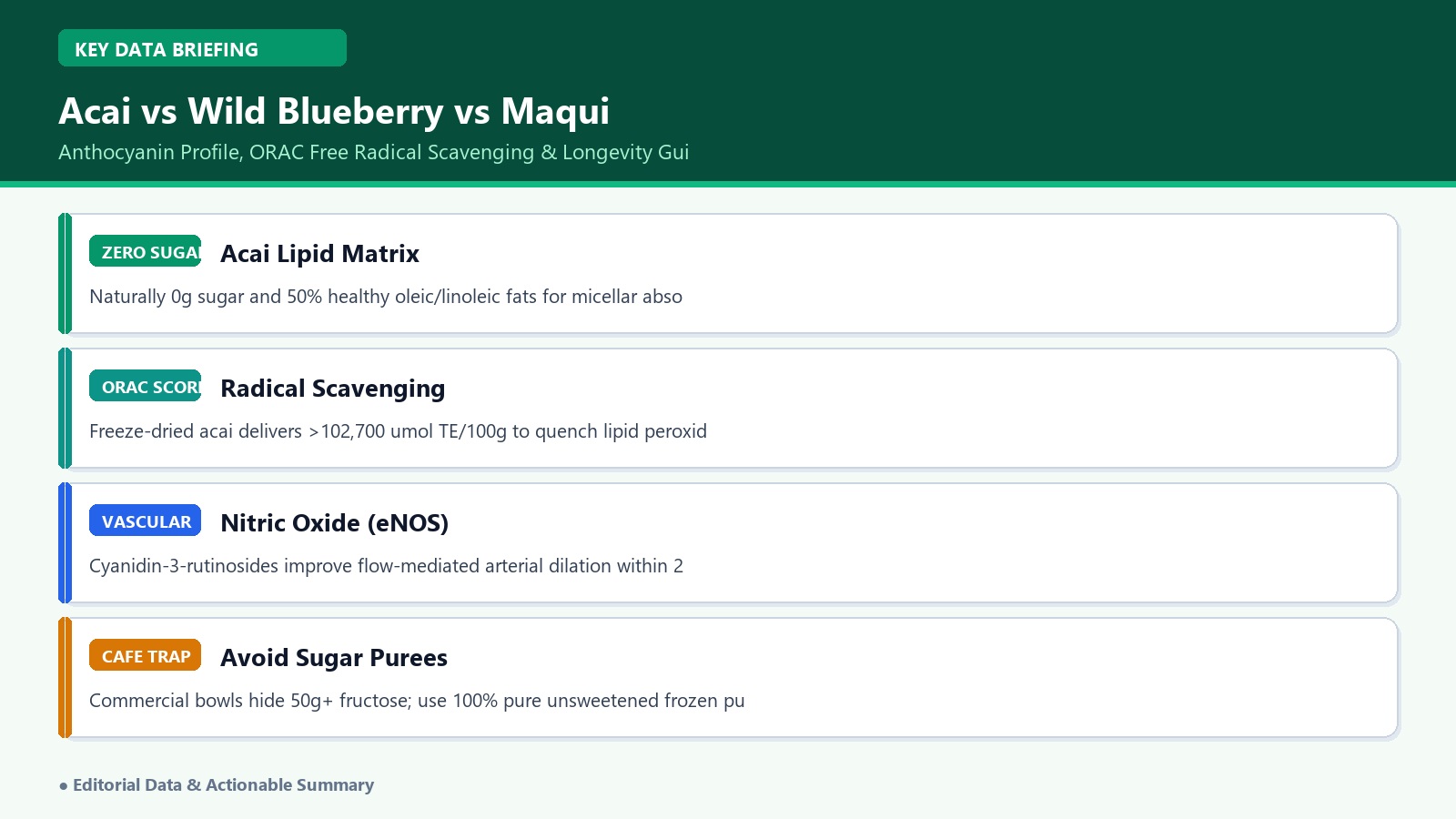
Figure 1: High-resolution clinical breakdown comparing ORAC radical scavenging values and anthocyanin structures.
2. Clinical Mechanisms: Vascular Nitric Oxide & Dermal Matrix Protection
The genuine physiological magic of acai berry benefits and usage tips resides in how its unique lipid structure enhances polyphenol absorption. Unlike water-soluble blueberries, acai’s cyanidin-3-rutinosides are dissolved within microscopic fat globules rich in oleic acid (Omega-9). When ingested, bile salts emulsify these lipids into mixed micelles, dramatically boosting intestinal uptake through passive lymphatic diffusion.
Once circulating in the bloodstream, acai polyphenols trigger two major longevity cascades:
- Endothelial Nitric Oxide Synthase (eNOS) Upregulation: Acai bioactives stimulate eNOS phosphorylation, releasing endothelial nitric oxide (NO) which dilates arterial walls, lowers systolic pressure, and significantly reduces oxidized LDL accumulation inside arterial intima.
- Suppression of Collagen-Degrading Collagenases: Dermal aging accelerates when ultraviolet radiation activates matrix metalloproteinases (MMP-1 and MMP-9), which slice through Type I collagen triple-helices. Clinical dermatology studies confirm that Cyanidin-3-glucoside blocks MMP gene transcription, preserving skin dermal thickness and elasticity after 40.
Clinical Evidence: Vascular Endothelial Function in Overweight Adults
In an intervention study published in Atherosclerosis (Alqurashi et al.), healthy overweight volunteers consumed an acute serving of acai smoothie delivering authentic polyphenols. Two hours post-consumption, subjects exhibited a statistically significant 1.4% improvement in Flow-Mediated Dilation (FMD) and a marked reduction in reactive oxygen species, demonstrating direct systemic arterial relaxation.

Figure 2: Morning culinary routine combining unsweetened acai pulp with whole organic berries and walnuts.
3. Practical Usage Blueprint: The Zero-Sugar Longevity Protocol
To unlock the full clinical benefits of acai without falling into the commercial fructose trap, adhere to these culinary and timing guidelines:
🥣 The 3-Step Low-Glycemic Acai Formula
- Select Only “Pure Unsweetened” Frozen Packs or Freeze-Dried Powder: Inspect the label. The ingredient list should contain only one word: Organic Acai Puree (or Organic Acai Powder). Reject any package listing cane sugar, guarana syrup, or concentrated fruit juices.
- Build a Low-Glycemic Base: Blend 1 packet (100g) of pure frozen acai with 1/2 cup unsweetened almond milk, 1 scoop of unflavored whey or plant protein isolate, and 1/4 avocado (for velvety texture without sugar).
- Garnish with Cellular Synergists: Top with 1/4 cup fresh wild blueberries (for brain-targeted malvidins), 1 tablespoon of raw chia seeds (soluble fiber), and raw walnut halves (anti-inflammatory ALA omega-3s).
4. Quality Standards: Freeze-Drying vs. High-Heat Pasteurization
Acai berries spoil within 24 hours of harvesting in the Amazon rainforest. How manufacturers process the fruit determines whether you consume potent antioxidants or inactive purple water:
- Demand Freeze-Dried (Lyophilized) Over Spray-Dried: Flash freeze-drying removes moisture at sub-zero temperatures under a vacuum, preserving over 95% of heat-sensitive cyanidin anthocyanins and delicate omega-9 fats. Spray-drying exposes the fruit to 150°C+ heat and requires blending with 30% maltodextrin corn starch as a drying carrier.
- Avoid Clear Bottled Acai Juices: Anthocyanin molecules degrade rapidly when exposed to fluorescent supermarket lighting and oxygen. Acai juice stored in clear plastic bottles loses up to 80% of its ORAC radical scavenging potency within 30 days of bottling.
- Check for Heavy Metal & Microbiological Testing: Because wild Amazonian palms grow in tropical wetland soils, verified brands must provide a Certificate of Analysis (CoA) confirming the absence of pesticide residues, lead, and microbial contamination.
5. Frequently Asked Questions (FAQ)
Does eating acai berries directly cause weight loss?
No. Acai does not magically burn fat. However, authentic unsweetened acai is zero-sugar and rich in healthy monounsaturated oleic acid and dietary fiber, promoting satiety and stabilizing postprandial glucose levels. It aids metabolic weight management only when replacing high-sugar breakfasts within an overall caloric deficit.
Why does fresh acai taste earthy and unsweet compared to cafe acai bowls?
Pure acai contains 0 grams of sugar and has a naturally rich, unsweet flavor profile reminiscent of dark cocoa, olive oil, and blackberries. Commercial cafes blend acai with high-fructose corn syrup, banana purees, and sweetened guarana syrup to mimic dessert ice cream, completely masking the authentic botanical flavor.
Which is superior for brain health: Acai or Wild Blueberries?
For neurocognitive protection, wild blueberries have more direct clinical evidence because their malvidin anthocyanins cross the blood-brain barrier readily, stimulating Brain-Derived Neurotrophic Factor (BDNF). Acai excels primarily in vascular endothelial nitric oxide production and dermal lipid-peroxidation defense. The optimal strategy is consuming both in synergy.