

Editor’s 1-Minute Briefing
2026 Senior Hydration, Mineral Lab & Medication Runbook
Electrolyte Imbalance Symptoms in Older Adults: 7 Warning Signs & 4-Step Reset
1. Core Diagnostic Reality: Up to 18%–22% of adults over 65 develop clinically meaningful hyponatremia (sodium <135 mEq/L) or hypokalemia (potassium <3.5 mEq/L), often mistaken for normal aging fatigue or mild dementia.
2. Primary Triggers Over 60: Per Mayo Clinic and PubMed geriatric cohorts, thiazide diuretics, SSRIs, proton pump inhibitors (PPIs), and plain-water overhydration account for more than 65% of outpatient mineral shifts.
3. Immediate Reset & Red Flags: Mild cases stabilize within 24–72 hours using balanced oral rehydration (300–500 mg sodium + 400 mg potassium) alongside whole foods, whereas sudden confusion, chest palpitations, or falls require same-day urgent care labs.
When a 68-year-old suddenly feels dizzy standing up from the kitchen table, develops 2:00 AM calf cramps, or struggles to recall familiar names, family members rarely suspect a mineral shift first. Yet recognizable electrolyte imbalance symptoms in older adults emerge far faster after age 60 because aging kidneys lose up to 30%–40% of urinary concentrating reserve and thirst signals dull substantially.
Clinical reviews from Cleveland Clinic and the NIH Office of Dietary Supplements highlight a dangerous paradox: drinking 2.5 to 3 liters of plain water daily without sodium or potassium replacement can actually worsen hyponatremia. Use the mineral symptom chart and four-step recovery protocol below to pinpoint the exact deficiency and fix it safely.
1. Electrolyte Imbalance Symptoms in Older Adults: Diagnostic Mineral Chart
Sodium, potassium, magnesium, and calcium govern electrical nerve firing, blood pressure stability, and cardiac rhythm. Matching each cluster of electrolyte imbalance symptoms in older adults against standard Basic Metabolic Panel (BMP) lab thresholds prevents mistaking low sodium or potassium for ordinary exhaustion.
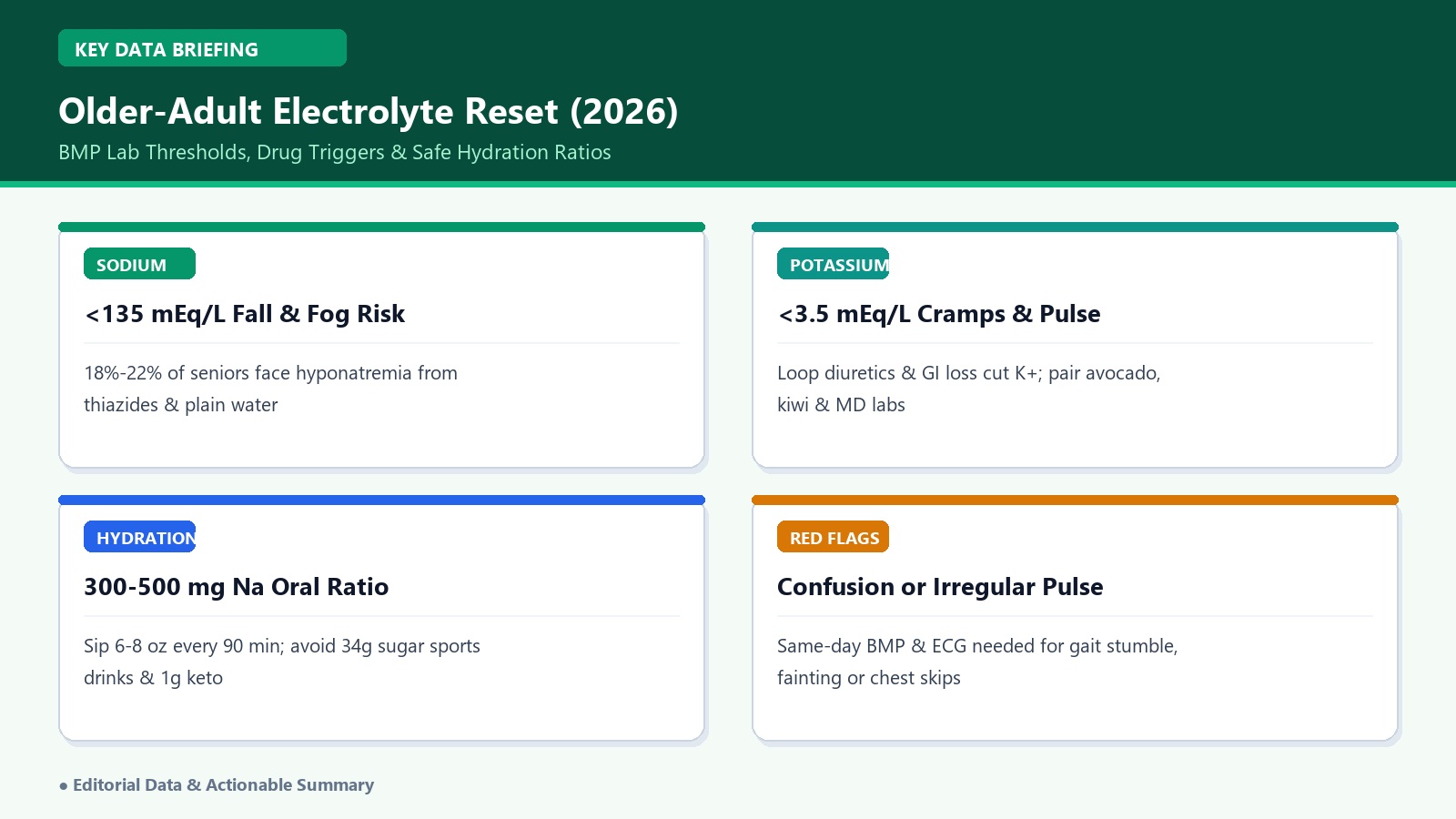
Figure 1: Clinical Diagnostic Overview — Geriatric Electrolyte Thresholds, Drug Triggers, Oral Reset Ratios & Red-Flag Care
2. 7 Early Warning Signs vs. Emergency Red Flags (Triage Matrix)
Not every dizzy spell warrants an ambulance, but waiting three days when serum sodium drops below 125 mEq/L carries real seizure and fall risks. Use this seven-sign triage framework to separate mild dehydration-driven shifts from urgent cardiac or neurologic emergencies.
Early Home-Manageable Warning Signs (Signs 1 to 4)
1. Orthostatic Lightheadedness: A 5–15 second dizzy wave when rising from bed, linked to mild sodium-volume depletion. 2. Nocturnal Calf or Foot Cramps: Tight evening cramping tied to intracellular potassium or magnesium shortfall. 3. Afternoon Energy Crash & Dry Mouth: Persistent sluggishness despite drinking plain water. 4. Eyelid Twitching or Restless Sleep: Subtle neuromuscular irritability eased by targeted evening magnesium dosing protocols.
Urgent Clinical Red Flags — Seek Same-Day Medical Labs (Signs 5 to 7)
5. Acute Confusion, Slurred Speech, or Sudden Gait Stumbling: Classic signs of moderate-to-severe hyponatremia (<130 mEq/L) that doubles hip-fracture risk in adults over 65. 6. Racing, Pounding, or Irregular Heartbeat: Signals dangerous potassium (<3.0 or >5.5 mEq/L) or magnesium instability affecting cardiac conduction. 7. Persistent Vomiting or >3 Loose Stools/Day for 48 Hours: Rapidly outpaces home sips and often requires IV saline and monitored potassium replacement.
3. How to Fix Electrolyte Imbalance Symptoms Safely: 4-Step Senior Protocol
Commercial sports drinks pack 21–34 g of added sugar per bottle with minimal potassium, while ultra-salty keto powders (1,000 mg sodium per scoop) can spike blood pressure in salt-sensitive seniors. Follow this balanced four-step reset anchored by Harvard Health Publishing hydration guidelines.
STEP 01 — Audit Morning Prescriptions & Daily Fluid Volume
List every blood pressure pill (hydrochlorothiazide, furosemide, lisinopril, losartan), acid blocker (omeprazole), and recent antibiotic. Recent 2026 geriatric case reports also link certain hospital antibiotics like linezolid and steroid fludrocortisone to unexpected hypokalemia—never self-adjust prescription pills, but bring this list to your prescribing clinician.
STEP 02 — Shift From Plain Water Chugging to Mineral-Paired Sips
Instead of forcing 64–90 oz of pure water between meals, sip 6–8 oz every 90 minutes alongside meals or lightly mineralized fluid. For healthy kidneys without fluid restriction, a gentle home oral rehydration mix combines 16 oz (475 mL) water + 1/8 tsp fine sea salt (~290 mg sodium) + 4 oz 100% orange or tart cherry juice (~225 mg potassium).
STEP 03 — Prioritize Food-First Potassium & Magnesium Over High-Dose Pills
Whole foods raise cellular potassium and magnesium gradually without triggering gut cramps or hyperkalemia spikes. Half a medium avocado delivers 485 mg potassium, one kiwi adds 215 mg, and 1 oz of roasted pumpkin seeds provides 150 mg magnesium—supporting muscle recovery alongside our sarcopenia prevention protein and strength routine.
STEP 04 — Request a Basic Metabolic Panel (BMP) + Serum Magnesium After 7–14 Days
A standard BMP confirms exact serum sodium (136–145 mEq/L), potassium (3.7–5.0 mEq/L), eGFR kidney filtration, and bicarbonate within 24 hours. Pair it with serum magnesium and check whether your morning fatigue or cramping overlaps with cellular taurine and cardiovascular support.

Figure 2: Food-First Electrolyte Restoration — Pairing Flaky Sea Salt, Potassium-Rich Avocado & Kiwi, and Magnesium-Dense Pumpkin Seeds With Steady Hydration
4. Best Electrolyte Drinks & Whole Foods Comparison for Seniors (60+)
Choosing the wrong electrolyte packet can quietly push sodium past 2,300 mg/day or add potassium onto an ACE inhibitor prescription. Compare real mineral ratios per serving across five popular senior hydration options below.
5. Frequently Asked Questions: Electrolyte Imbalance Symptoms in Older Adults
Q1. How long do electrolyte imbalance symptoms last once treated?
Mild dehydration-related fatigue, dizziness, and leg cramps typically ease within 24 to 72 hours of balanced oral rehydration and whole-food mineral intake. Medication-induced low sodium or magnesium stores often require 1 to 3 weeks of clinician-supervised dose adjustments and follow-up bloodwork to normalize fully.
Q2. How can caregivers quickly remember electrolyte imbalance symptoms?
Clinicians use a simple three-system check—Brain, Muscles, Heart: sudden confusion or unsteady walking points toward sodium shifts, nighttime cramps or twitching signal magnesium or potassium drops, and palpitations or extreme weakness flag urgent potassium imbalances requiring an immediate BMP lab test.
Q3. Can drinking too much plain water cause electrolyte imbalance in seniors?
Yes. Aging kidneys excrete excess free water more slowly, and common medications like thiazide diuretics or SSRIs trigger antidiuretic hormone retention. Consistently drinking over 2.5 to 3 liters of plain water without food or sodium dilutes serum sodium below 135 mEq/L, producing dilutional hyponatremia.
Q4. When should older adults avoid over-the-counter electrolyte powders?
Anyone with Stage 3–5 chronic kidney disease (eGFR <45), heart failure with fluid restriction, or prescriptions for ACE inhibitors, ARBs, or potassium-sparing diuretics (spironolactone) should avoid unsupervised high-potassium or 1,000 mg sodium packets and follow physician-prescribed targets instead.
Related Clinical Protocols & Evidence Guides
Medical Disclaimer: This article is written by the WellnessHub Editorial & Clinical Research Team for educational purposes only and does not replace individualized physician diagnosis or urgent emergency care. Always consult your physician before changing diuretic, blood pressure, or mineral regimens, especially with kidney or cardiac conditions. View our Medical Disclaimer & Privacy Policy.