
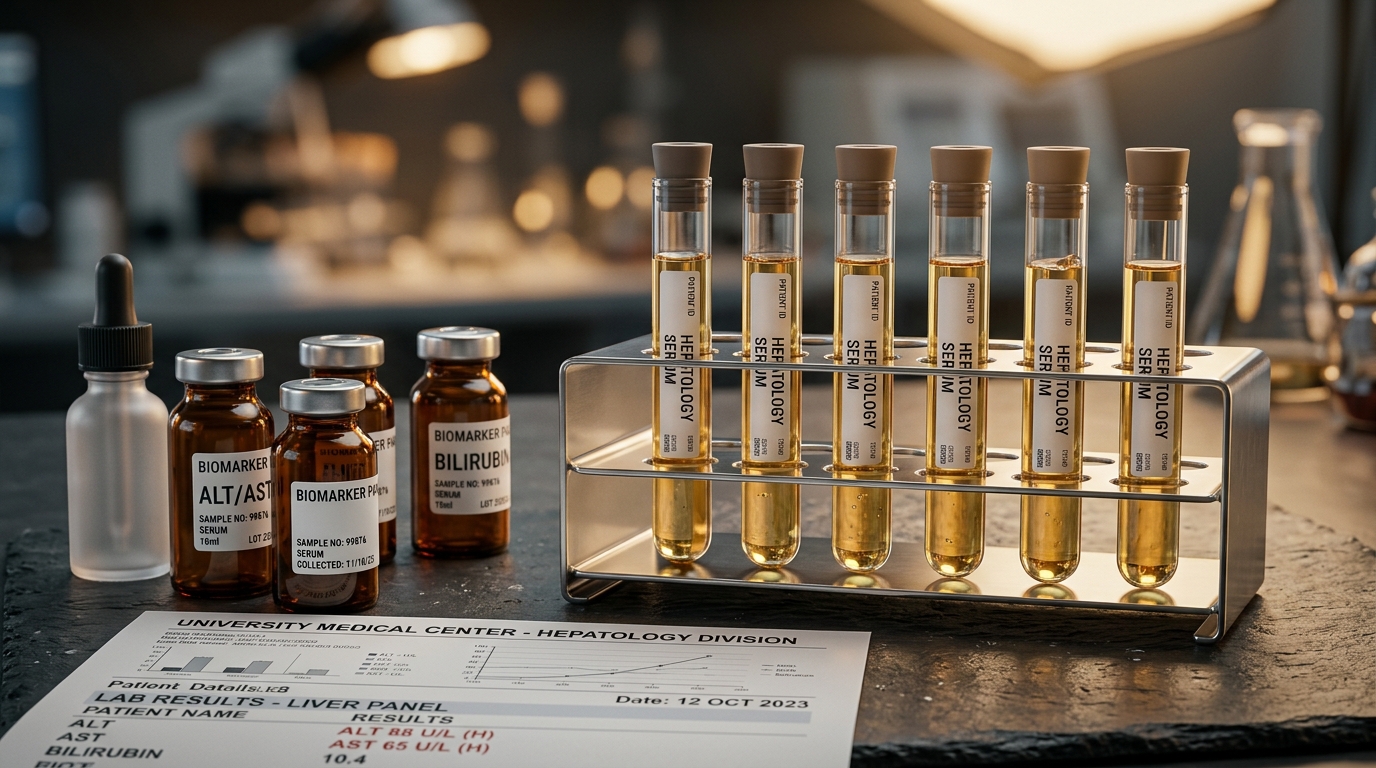
Clinical Hepatology Briefing
Metabolic Liver Function & Biomarker Protocol
Metabolic Liver Function & Biomarker Protocol
Elevated Liver Enzymes ALT AST Natural Recovery: Executive Clinical Summary
1. Diagnostic Thresholds & ALT/AST Ratio: Alanine aminotransferase (ALT) is liver-specific, whereas aspartate aminotransferase (AST) originates in hepatocytes, cardiac muscle, and skeletal tissue. While standard laboratories list normal ranges up to 45 to 55 U/L, modern American Association for the Study of Liver Diseases (AASLD) guidelines identify optimal upper limits of 30 U/L for men and 19 U/L for women. An ALT elevation exceeding AST (ratio > 1.0) points directly toward metabolic dysfunction-associated steatotic liver disease (MASLD / NAFLD).
2. The Primary Metabolic Drivers: In over 80% of non-viral cases, asymptomatic enzyme spikes reflect hepatic lipotoxicity caused by high dietary fructose, insulin resistance, and visceral adiposity. When the liver cannot export triglycerides as VLDL, intrahepatic lipid accumulation triggers lipid peroxidation, endoplasmic reticulum stress, and cell membrane leakage of ALT and AST into systemic circulation.
3. The 4-Step Natural Recovery Protocol: A targeted protocol achieves full normalization within 8 to 12 weeks: eliminate liquid fructose and refined carbohydrates, establish a 10% reduction in visceral fat, supplement standardized silymarin milk thistle (420 mg/day) and phosphatidylcholine (1,200 mg/day), and incorporate 150 minutes of weekly Zone 2 aerobic training to mobilize hepatic glycogen and clear stored triglycerides.
Receiving an annual comprehensive metabolic panel showing red flags next to liver transaminases is an unsettling experience for millions of adults. When lab reports highlight elevated liver enzymes alt ast natural recovery questions immediately emerge. Patients wonder why their levels jumped despite drinking zero alcohol, feeling completely healthy, and experiencing no physical pain in their abdomen.
The clinical reality is that asymptomatic transaminase elevation is the most frequent abnormal biomarker seen in modern outpatient preventive medicine. Fortunately, because the liver possesses extraordinary regenerative capacity, establishing an elevated liver enzymes alt ast natural recovery program allows hepatocytes to repair cell membranes and clear stored triglycerides within 60 to 90 days.
According to research published by the American Association for the Study of Liver Diseases (AASLD) and the European Association for the Study of the Liver (EASL), over 75% of unprovoked transaminase increases stem from metabolic dysfunction-associated steatotic liver disease (MASLD, formerly NAFLD). Here is what peer-reviewed clinical hepatology reveals about ALT/AST ratios, hepatic steatosis, cellular detoxification, and how to safely achieve elevated liver enzymes alt ast natural recovery.
1. Understanding Elevated Liver Enzymes ALT AST Natural Recovery: The Biomarker Matrix
To successfully plan an elevated liver enzymes alt ast natural recovery regimen, you must first decode what transaminase readings actually represent. Enzymes are intracellular catalysts that facilitate metabolic conversions inside cells. When hepatocytes suffer oxidative stress, hypoxia, or excessive lipid accumulation, their outer phospholipid membranes become permeable, leaking transaminases into the bloodstream.
Alanine Aminotransferase (ALT): Located primarily within the cytosol of hepatocytes, ALT catalyzes the transfer of an amino group from L-alanine to alpha-ketoglutarate, producing pyruvate and L-glutamate. Because ALT concentrations in liver tissue are roughly 3,000 times higher than in serum, any direct hepatic injury causes a rapid, disproportionate spike in circulating ALT.
Aspartate Aminotransferase (AST): Approximately 80% of intracellular AST is housed within mitochondria, with the remaining 20% in cytoplasm. Furthermore, AST is abundant not only in the liver, but also in cardiac muscle, skeletal muscle, kidneys, and red blood cells. Therefore, intense resistance training or strenuous marathon running can transiently elevate AST without indicating liver pathology.
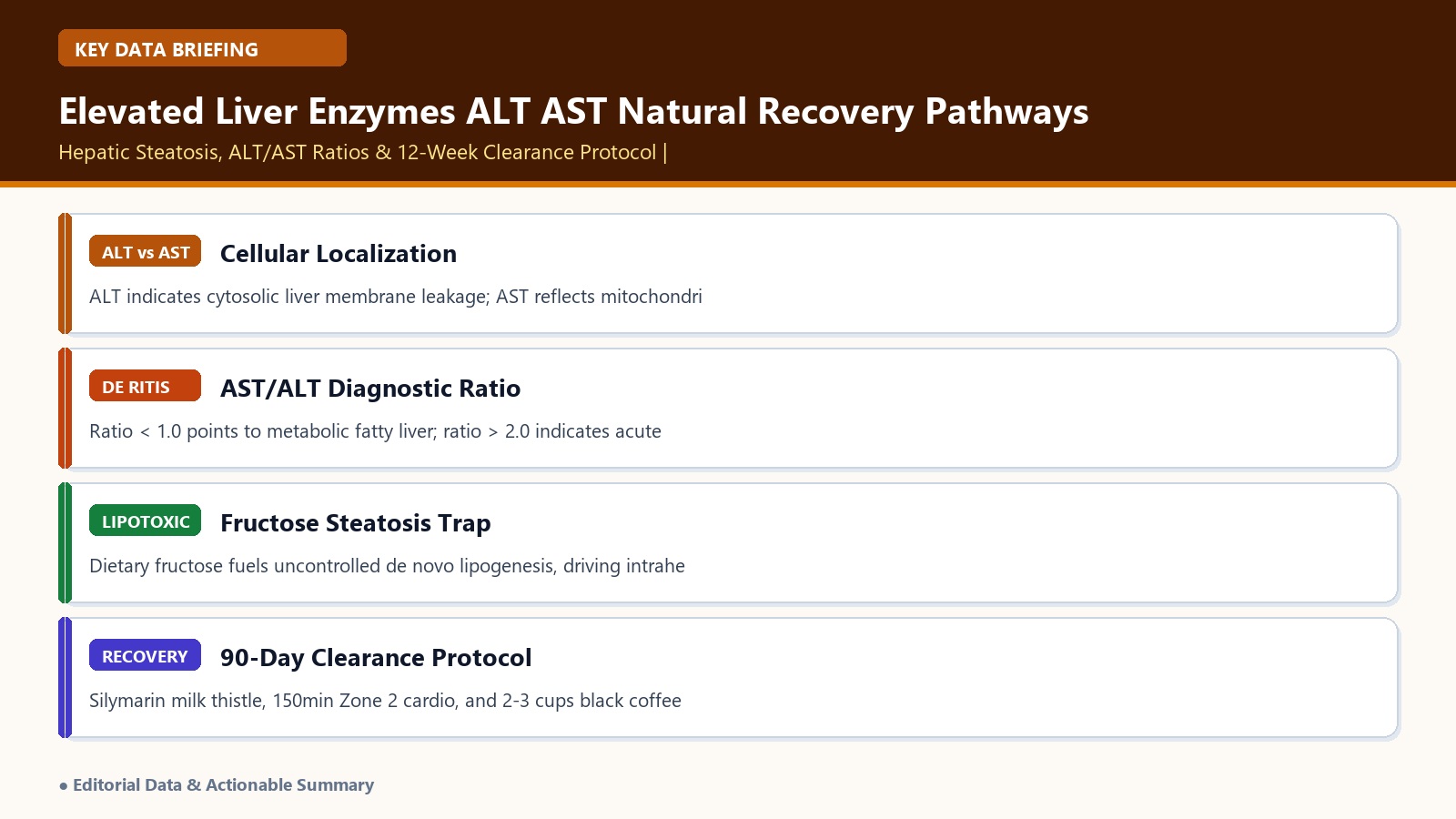
Figure 1: Hepatic Steatosis Resolution & Transaminase Clearance Pathways | 2026 Clinical Protocol
2. Pathophysiology: What Drives Asymptomatic ALT and AST Elevation?
When seeking an elevated liver enzymes alt ast natural recovery pathway, understanding the cellular biology of hepatic steatosis is critical. Many patients believe that dietary fat is the sole culprit behind fatty liver. However, biochemistry demonstrates that excessive simple carbohydrates, particularly dietary fructose, are the true primary triggers.
Unlike glucose, which can be metabolized by virtually every cell in the human body, dietary fructose is cleared exclusively by hepatocytes via the fructokinase enzyme. Fructokinase lacks an allosteric negative feedback loop. When large amounts of high-fructose corn syrup, sweetened beverages, or fruit juice concentrate enter the portal vein, hepatocytes convert this substrate directly into glycerol-3-phosphate, fueling massive de novo lipogenesis (DNL).
As intrahepatic triglyceride concentration surpasses 5.5% of total liver weight, hepatocytes become distended. Excess free fatty acids enter mitochondria, overwhelming beta-oxidation and creating toxic reactive oxygen species (ROS). This oxidative stress initiates lipid peroxidation of mitochondrial membranes, triggering the leakage of ALT and AST into systemic circulation.
Secondary causes must also be screened during an elevated liver enzymes alt ast natural recovery evaluation. Common contributing factors include daily acetaminophen (Tylenol) usage, statin medications, NSAID overuse, chronic sleep apnea causing intermittent nocturnal liver hypoxia, and untreated subclinical hypothyroidism. Addressing these root drivers is the foundation of lasting enzymatic recovery.
3. Clinical Trial Evidence: How Fast Do Liver Enzymes Normalize?
A central question patients ask is how rapidly their lab numbers can return to optimal levels. Multi-center randomized controlled trials published in The American Journal of Clinical Nutrition and Hepatology indicate that hepatocytes are among the most metabolically resilient tissues in the body.
In clinical trials examining dietary interventions in patients with baseline ALT levels between 60 and 120 U/L, eliminating refined sugars and achieving a 5% to 7% loss of body weight reduced liver transaminases by 40% to 55% within just 4 to 8 weeks. Furthermore, MRI-PDFF (proton density fat fraction) scans proved that intrahepatic fat decreased by more than 30% before significant changes in total body subcutaneous fat were even visible on a bathroom scale.
This rapid responsiveness highlights why an elevated liver enzymes alt ast natural recovery protocol is so clinically rewarding. Hepatocytes turn over their intracellular lipid pools quickly once insulin levels drop and cellular antioxidant cofactors are replenished.
4. The 4-Step Action Protocol for Elevated Liver Enzymes ALT AST Natural Recovery
To systematically normalize your liver transaminases within an 8-to-12-week testing window, implement the following four evidence-based clinical steps:
STEP 01
Eliminate Hepatic Fructose & Liquid Carbohydrates
Eliminate Hepatic Fructose & Liquid Carbohydrates
Halt all high-fructose corn syrup, fruit sodas, packaged juices, and refined flour products immediately. Fructose bypasses phosphofructokinase regulation, driving rapid triglyceride accumulation in hepatocytes. Replace simple sugars with fibrous cruciferous vegetables (broccoli, Brussels sprouts, cabbage) rich in glucoraphanin, which upregulates phase II hepatic detoxification enzymes via the Nrf2 pathway.
STEP 02
Deploy Evidence-Based Hepatoprotective Phytochemicals
Deploy Evidence-Based Hepatoprotective Phytochemicals
Incorporate 420 mg of standardized milk thistle extract (yielding 70% to 80% silymarin) divided into two daily doses. Silymarin stabilizes hepatocyte cell membranes, inhibits nuclear factor kappa B (NF-κB) inflammatory pathways, and stimulates RNA polymerase I to accelerate protein synthesis for tissue regeneration. Complement this with 1,200 mg of phosphatidylcholine daily to supply the essential methyl donor choline required for packaging hepatic triglycerides into VLDL for systemic export.
STEP 03
Mobilize Hepatic Fat via Zone 2 Cardio & Strength Training
Mobilize Hepatic Fat via Zone 2 Cardio & Strength Training
Engage in 150 to 180 minutes per week of low-intensity, steady-state Zone 2 aerobic exercise (brisk walking, cycling, or rowing at 60% to 70% of maximum heart rate). Zone 2 training specifically stimulates mitochondrial beta-oxidation in skeletal and hepatic tissue without provoking intense muscle damage that would spike AST. Combine this with 2 weekly full-body resistance sessions to enhance peripheral insulin sensitivity.
STEP 04
Optimize Polyphenols: The 2-to-3 Cup Coffee Protocol
Optimize Polyphenols: The 2-to-3 Cup Coffee Protocol
Drink 2 to 3 cups of filtered black coffee daily. Over 20 prospective cohort studies confirm that coffee consumption is inversely correlated with ALT and GGT levels. The potent chlorogenic acids and trigonelline in coffee reduce hepatic collagen deposition, inhibit hepatic stellate cell activation, and elevate intracellular glutathione synthesis, providing powerful natural protection against liver fibrosis.

Figure 2: Antioxidant-Rich Mediterranean Nutrition Setup Supporting Hepatic Cellular Regeneration
5. Frequently Asked Questions (FAQ) About Elevated Liver Enzymes
Q1: Can heavy weightlifting elevate AST and ALT levels without actual liver damage?
Yes, absolutely. Intense eccentric resistance exercise causes microscopic muscle microtears, releasing intramuscular AST and moderate amounts of ALT into the blood. In healthy athletes, AST can spike to 80 or 150 U/L for 48 to 72 hours following an intense leg workout. To determine whether an elevation is muscular or hepatic, physicians test creatine kinase (CK) and gamma-glutamyl transferase (GGT). If CK is elevated while GGT and bilirubin are completely normal, the transaminase spike is muscular rather than hepatic. Always rest from heavy training for 5 to 7 days before repeat blood testing.
Q2: How long does an elevated liver enzymes alt ast natural recovery protocol take?
In mild to moderate steatosis cases (ALT between 45 and 90 U/L), following the 4-step nutritional, exercise, and silymarin protocol typically yields measurable enzymatic improvement within 4 weeks, with full normalization into optimal ranges (< 30 U/L for men, < 19 U/L for women) occurring within 8 to 12 weeks. Scheduling a follow-up liver function panel at the 90-day mark allows sufficient time for cellular phospholipid remodeling.
Q3: What medications or dietary supplements cause unprovoked enzyme spikes?
Common pharmacological triggers include high doses of acetaminophen (paracetamol), chronic NSAID usage (ibuprofen, naproxen), statins, oral antibiotics, and certain synthetic anabolic compounds. Among dietary supplements, high-dose concentrated green tea extract (EGCG > 800 mg on an empty stomach), kava kava, and contaminated multi-ingredient weight loss blends have been documented by the NIH LiverTox database to cause transaminase elevations. Review all supplement bottles with your doctor.
Q4: Does an AST/ALT ratio greater than 2.0 always indicate alcoholic liver disease?
While an AST/ALT ratio > 2.0 with elevated GGT is classic for alcoholic hepatitis (due to alcohol-induced mitochondrial damage and pyridoxal-5-phosphate deficiency suppressing ALT synthesis), a ratio > 1.5 to 2.0 in non-drinkers can also indicate advanced hepatic fibrosis or cirrhosis, where the liver’s sinusoidal clearance of AST is significantly impaired. In contrast, early non-alcoholic fatty liver disease (MASLD) typically presents with an AST/ALT ratio well below 1.0, with ALT significantly higher than AST.
Clinical Evidence & Medical Disclaimer: The clinical guidelines outlined in this article are based on published consensus papers from the American Association for the Study of Liver Diseases (AASLD), the European Association for the Study of the Liver (EASL), and peer-reviewed trials indexed in the National Institutes of Health (NIH) PubMed database. This educational guide does not replace personalized medical advice. If your ALT or AST transaminases exceed 150 U/L, or if you experience jaundice, dark urine, or abdominal swelling, seek immediate clinical evaluation from a board-certified gastroenterologist or hepatologist.
Related Clinical Protocols & Evidence Guides