
Editor’s 1-Minute Briefing
2026 Men’s Endocrine, Sleep & Thermoregulation Column
Night Sweats in Men Over 40: Key Causes, Hormone Labs & Relief Plan
1. Most Common Midlife Triggers: True drenching night sweats in men over 40 stem primarily from low free testosterone (<9.0 pg/mL), hyperthyroidism, SSRI or blood-pressure medications, or untreated obstructive sleep apnea—not just a warm bedroom.
2. Exact Morning Hormone Check: Per Endocrine Society and Mayo Clinic protocols, draw fasting labs between 7:00 AM and 10:00 AM covering total and free testosterone, SHBG, estradiol, TSH, HbA1c, and a Complete Blood Count (CBC).
3. Rapid Control & Red Flags: Cutting alcohol within 4 hours of bed and cooling room air to 65°F (18.3°C) eases mild episodes within 7–14 days, whereas drenching sweats paired with >10% weight loss or persistent fever require same-week physician evaluation.
Take a 46-year-old project manager who wakes at 2:45 AM with a soaked T-shirt and damp pillowcase, swaps his duvet for a thin sheet, and blames seasonal humidity. Six weeks later, afternoon brain fog, stubborn visceral weight, and a racing midnight pulse make it clear the thermostat was never the real culprit.
In primary care cohorts indexed on PubMed, roughly 10% to 20% of adult men over 40 report recurrent nocturnal sweating episodes that disrupt deep slow-wave sleep. Treating night sweats in men over 40 starts by separating benign bedroom overheating from endocrine, metabolic, and medication-driven triggers through a targeted morning hormone check.
1. Night Sweats in Men Over 40: 6 Clinical Causes & Diagnostic Matrix
The brain’s preoptic hypothalamus acts as a precision thermostat with a narrow neutral temperature zone. When declining androgens, thyroid excess, or nocturnal adrenaline surges narrow that window by even 0.4°C, sweat glands fire abruptly during REM or Stage 2 sleep. Compare the six leading causes below.
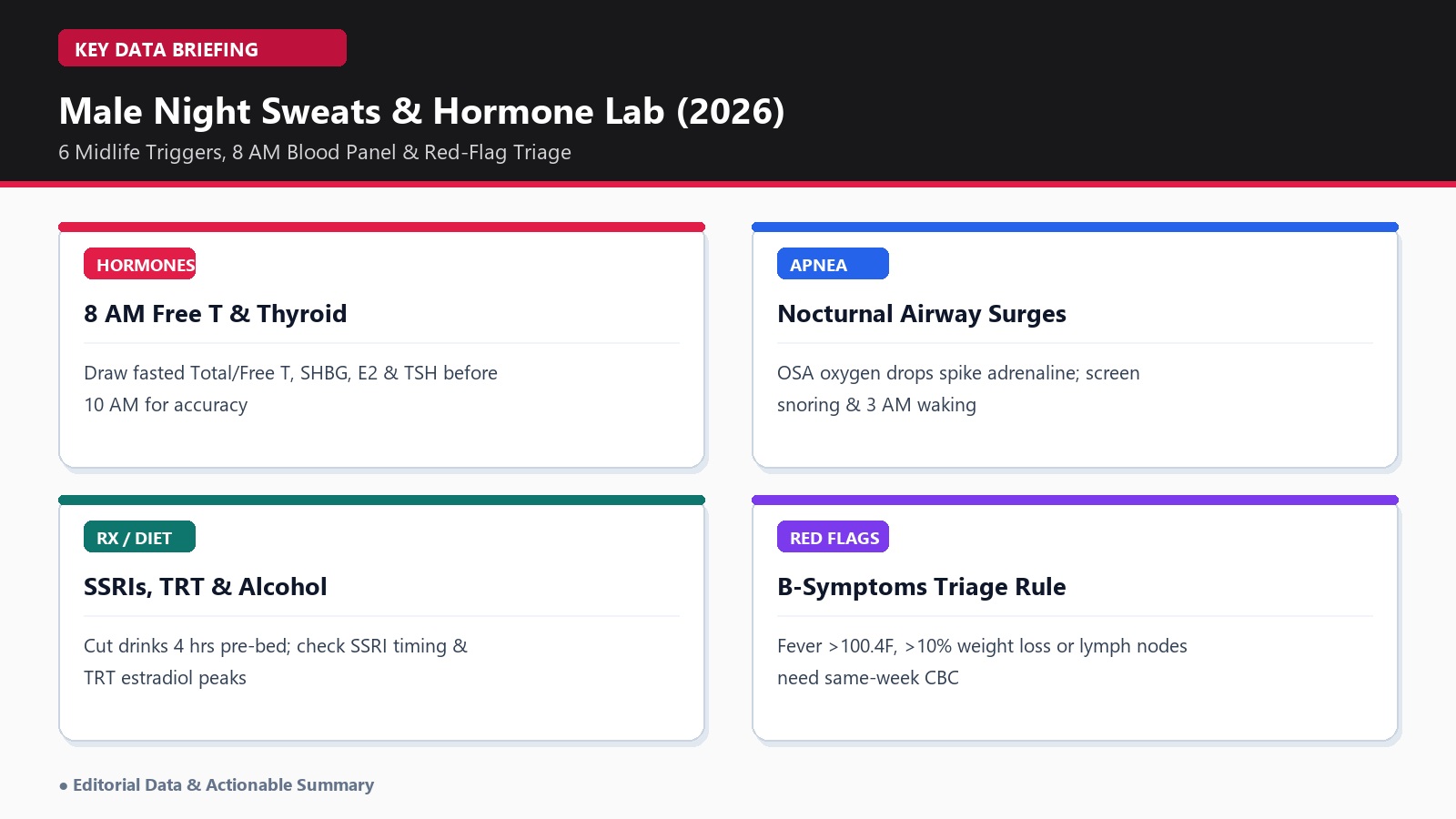
Figure 1: Clinical Decision Overview — Leading Midlife Male Night Sweat Drivers, Hormone Panels, Sleep Apnea Links & Urgent Red Flags
2. Before vs. After 40: Why Male Thermoregulation & Hormones Shift
Men do not undergo an abrupt ovarian drop like female menopause, yet total testosterone declines by roughly 1% per year after age 30 while Sex Hormone-Binding Globulin (SHBG) rises steadily. That dual squeeze cuts bioavailable free testosterone faster than most routine physicals detect, closely paralleling patterns in our male free testosterone and SHBG protocol.
3. What Hormone Check to Ask For: 3 Real-World Male Profiles
Ordering a single total testosterone test at 3:00 PM after lunch misses up to 30% of endocrine anomalies because serum testosterone peaks before 10:00 AM and fluctuates with sleep debt. Match your symptom profile below before walking into the lab—and cross-check nocturnal bathroom trips with our 3 AM nocturia and sleep hormone guide.
Profile A: Overweight Snorer Waking Damp at 3:00 AM
Likely Driver: Obstructive sleep apnea (OSA) combined with visceral aromatase conversion (elevated estradiol + suppressed LH). Every oxygen desaturation fires an adrenaline pulse that mimics a hot flash. Order: Home sleep apnea test (WatchPAT) plus 8:00 AM Total/Free Testosterone, Sensitive Estradiol, and HbA1c.
Profile B: Lean, Stressed Executive Starting an SSRI or TRT
Likely Driver: SSRIs (affecting 10%–20% of users via hypothalamic 5-HT2A activation) or unmonitored testosterone peaks converting to excess estradiol. Hyperthyroidism also hides in lean men who lose 4–6 lbs unexpectedly. Order: TSH, Free T4, Free T3, Sensitive Estradiol, and a pharmacist medication review.
Profile C: Late-Night Wine, Spicy Dinners & Cortisol Spikes
Likely Driver: Even two standard drinks suppress REM early, then rebound sympathetic sweat and liver glycogen drops around 2:30 AM. See how evening stress amplifies 3 AM cortisol spikes after 40. Order: 14-day alcohol/caffeine pause plus fasting glucose, liver enzymes (ALT/AST), and morning cortisol.
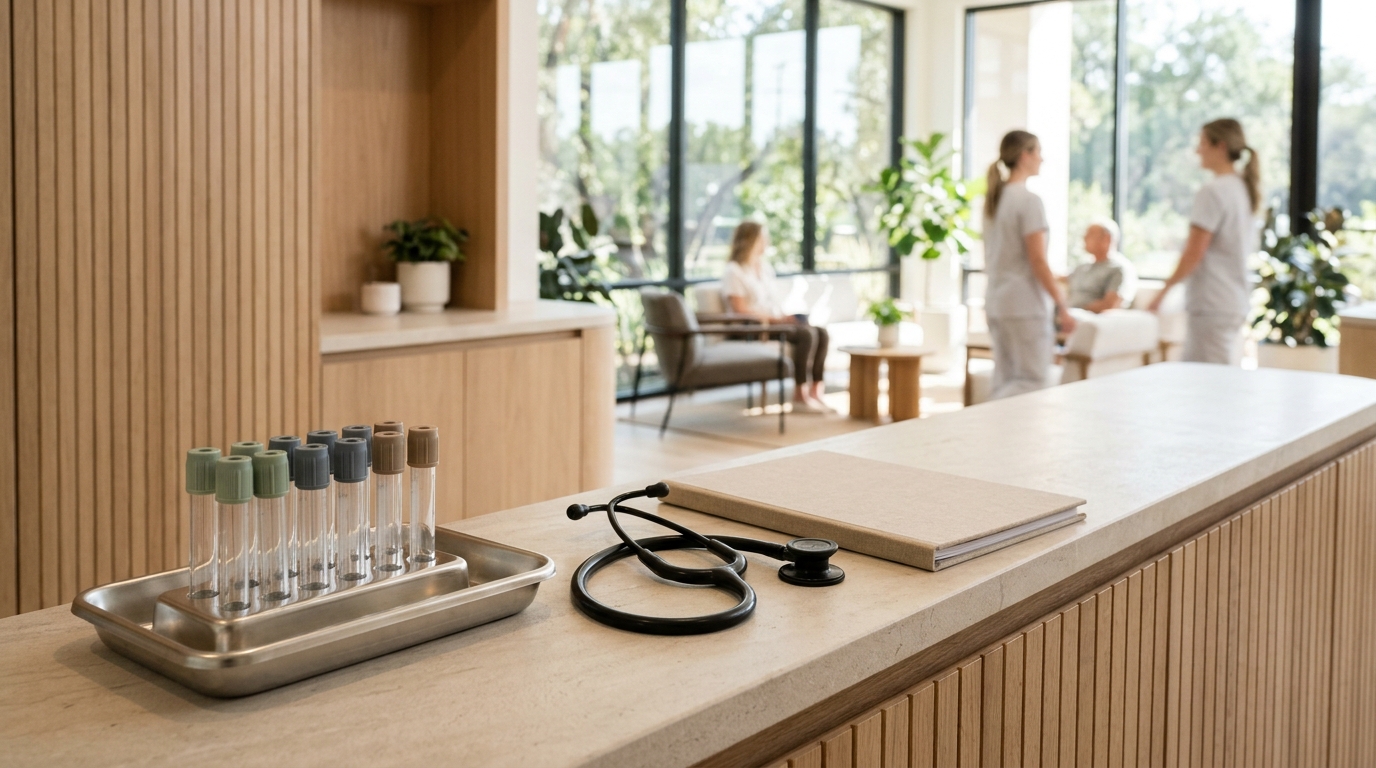
Figure 2: Clinical Morning Hormone Workup — Timing Fasted Endocrine Blood Draws Between 7:00 AM and 10:00 AM Improves Diagnostic Accuracy
4. 4-Step Action Plan to Stop Night Sweats in Men Over 40
Rather than guessing with random cooling gadgets or over-the-counter testosterone boosters, follow this structured clinical sequence grounded in Harvard Health Publishing and sleep medicine standards.
STEP 01 — Keep a 7-Day Sweat, Drink & Snoring Log
Note exact wake time, whether sheets require changing (true drenching vs. mild clamminess), evening alcohol, late heavy meals, and morning throat dryness. Seven days of clean notes cuts primary-care guesswork in half.
STEP 02 — Book an 8:00 AM Fasting Hormone & Safety Panel
Schedule a morning blood draw before 10:00 AM after a normal night’s sleep. Request Total & Free Testosterone, SHBG, LH, Sensitive Estradiol, TSH, Free T4, HbA1c, and CBC with Differential—confirming endocrine causes on two separate mornings if testosterone reads <300 ng/dL.
STEP 03 — Audit SSRIs, Blood Pressure Pills & Evening Triggers
If sweats began after starting an antidepressant (venlafaxine, sertraline, paroxetine) or calcium channel blocker, ask your prescriber about morning dosing or non-diaphoretic alternatives—never stop psychiatric or cardiac pills abruptly. Cut alcohol within 4 hours of sleep and avoid high-glycemic desserts after 8:00 PM.
STEP 04 — Reset Microclimate Cooling & Screen for Sleep Apnea
Set bedroom air to 65°F (18.3°C), switch memory foam toppers that trap core heat for breathable percale cotton or bamboo-lyocell sheets, and take a 10-minute warm shower 90 minutes before bed to trigger natural core-heat drop. If neck size >17 inches or snoring persists, complete a sleep study.
5. Red-Flag Exceptions: When Night Sweats Require Urgent Medical Review
Physician Red Flags — Do Not Wait to Screen “B-Symptoms”
Per Cleveland Clinic internal medicine triage rules, seek same-week evaluation if drenching night sweats occur alongside any of these signs: (1) unexplained weight loss exceeding 10% of body weight over 6 months, (2) recurring fever >100.4°F (38°C), (3) painless swollen lymph nodes in the neck, armpit, or groin, or (4) persistent cough or localized bone pain. These patterns require immediate CBC, LDH, inflammatory markers, and imaging rather than home lifestyle tweaks.
6. Frequently Asked Questions: Night Sweats in Men Over 40
Q1. Can low testosterone really cause night sweats in men over 40?
Yes. Although severe hot flashes are famous during androgen-deprivation therapy (affecting up to 70%–80% of treated men), gradual age-related drops in free testosterone below 9.0 pg/mL can also destabilize hypothalamic thermoregulation and provoke upper-chest or neck night sweats.
Q2. Do men on Testosterone Replacement Therapy (TRT) get night sweats too?
Yes—most often when weekly bolus injections spike serum testosterone and drive excessive aromatization into estradiol (>45 pg/mL) or elevate hematocrit above 50%–52%. Splitting doses into smaller twice-weekly protocols under physician guidance frequently eliminates TRT-linked flushing.
Q3. How do I tell sleep apnea sweats apart from thyroid or hormone sweats?
Sleep apnea sweats typically cluster with loud snoring, waking up gasping or needing to urinate at 2:00–3:00 AM, and morning headaches, whereas hyperthyroidism triggers daytime heat intolerance, resting tachycardia (>85 bpm), and unintended weight loss even with normal appetite.
Q4. When should I worry that night sweats signal something serious?
When episodes soak your mattress or pajamas repeatedly for more than 2 to 3 weeks despite cool room temperatures, or occur alongside unexplained fever, swollen lymph nodes, or unintended weight loss, schedule a prompt medical workup with CBC and inflammatory labs.
Related Clinical Protocols & Evidence Guides
Medical Disclaimer: This article is produced by the WellnessHub Editorial & Clinical Research Team for informational purposes and does not replace professional medical diagnosis or lab interpretation. Always consult your physician before modifying prescription medications or hormone therapies. Read our Medical Disclaimer & Privacy Policy.