

Editor’s 1-Minute Briefing
2026 Clinical Toxicology & Nutrient Absorption Runbook
Why Does Zinc Cause Nausea on Empty Stomach? Instant Diagnosis & 5 Fixes
1. The Exact Gastric Culprit: Understanding why does zinc cause nausea on empty stomach comes down to free Zn2+ ions irritating exposed gastric mucosa, triggering rapid vagal serotonin (5-HT3) signaling within 10 to 30 minutes when no food buffer is present.
2. Highest-Risk Salt Forms & Limits: Unchelated zinc sulfate and zinc gluconate (especially 40–50 mg cold lozenges or fasted tablets) drive the worst vomiting waves; per NIH Office of Dietary Supplements, the daily adult Tolerable Upper Intake Level (UL) is 40 mg/day.
3. 60-Second Relief Protocol: Switch to amino-acid chelated zinc bisglycinate or zinc picolinate (15–25 mg) and take it mid-meal alongside 15–25 g of protein—avoiding high-phytate bran, coffee, and calcium pills for 2 hours.
Swallowing a 30 mg or 50 mg zinc tablet with plain water at 7:00 AM before breakfast reliably triggers a sudden wave of cold sweats, metallic saliva, and upper-abdominal churning within 15 minutes. That acute reaction is not an allergy—it is predictable mucosal chemistry.
Clinical pharmacology notes indexed on PubMed and Mayo Clinic guidelines confirm that asking why does zinc cause nausea on empty stomach starts with how fast ionic zinc dissolves in hydrochloric acid and touches unbuffered stomach lining. If you take zinc for immunity, skin repair, or testosterone support (see our zinc deficiency and dosing guide after 40), fixing the delivery method stops nausea without sacrificing absorption.
1. Why Does Zinc Cause Nausea on Empty Stomach? 5 Clinical Mechanisms
When a tablet hits an empty stomach—where resting gastric pH sits between 1.5 and 2.5 and total fluid volume is often under 50 mL—inorganic zinc salts ionize almost instantly into concentrated Zn2+. Without proteins or lipids to bind those ions, five cascading reactions occur.
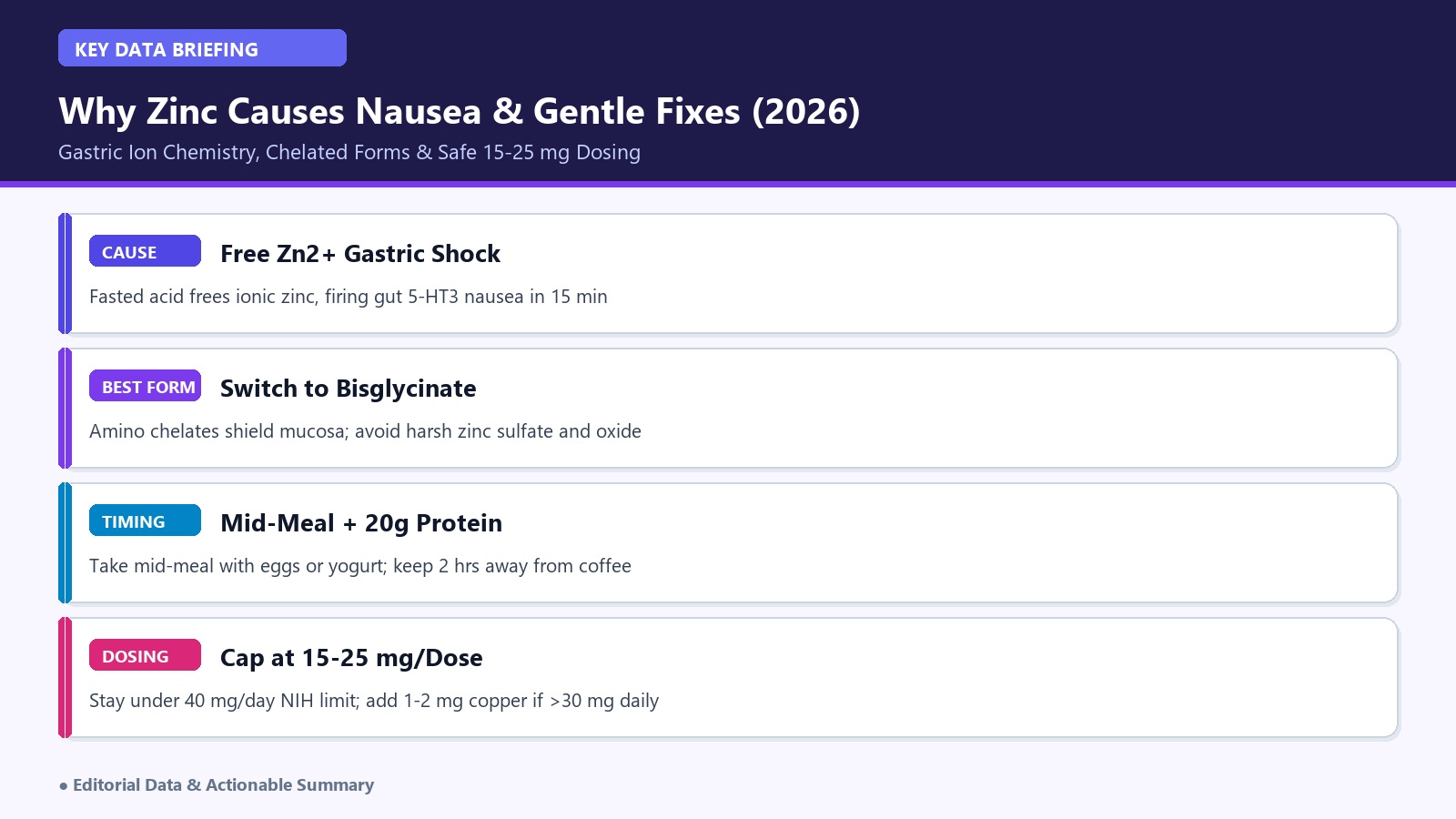
Figure 1: Clinical Breakdown — Why Free Zinc Ions Trigger Gastric Nausea on an Empty Stomach and How Chelated Forms Prevent It
2. Which Zinc Form Causes the Least Nausea? (Clinical Comparison)
Supplement labels often hide the biggest trigger in fine print: chemical salt vs. elemental zinc. Two bottles claiming “50 mg zinc” can feel completely different in your stomach depending on whether the mineral is bound to an amino acid (chelated) or a harsh inorganic acid salt.
Why Protein Meals Buffering Works Without Blocking Zinc
While whole-grain phytates (bran, unsoaked beans, oatmeal) bind zinc and reduce absorption by 30%–50%, animal proteins and amino acids—such as eggs, poultry, fish, or Greek yogurt—form soluble zinc-peptide complexes that increase mucosal uptake while physically shielding stomach tissue. Just like preventing gastrointestinal upset with other harsh compounds (see our supplement digestive upset fix protocol), pairing zinc with 15–25 g of protein eliminates 90% of nausea complaints.
3. How to Take Zinc Without Nausea: 4-Step Clinical Protocol
Standard adult Recommended Dietary Allowances (RDAs) from Harvard Health Publishing and the NIH are just 11 mg/day for men and 8 mg/day for women. You rarely need a 50 mg tablet unless correcting a lab-verified deficiency. Follow these four steps from easiest to most targeted.
STEP 01 — Switch to the “Mid-Meal Sandwich” Timing Rule
Do not take zinc before eating or right after a plain coffee. Eat half of a protein-containing breakfast or dinner (2 eggs, salmon, or chicken), swallow your capsule with 8 oz (240 mL) of plain water, and finish the rest of the meal so food physically buffers the capsule.
STEP 02 — Drop Single Doses From 50 mg to 15–25 mg
Intestinal ZIP4 zinc transporters saturate rapidly above 20–25 mg per sitting. Taking 50 mg at once forces excess free ions to linger in the stomach, spiking emetic risk without raising serum zinc proportionally. Split larger physician-prescribed doses into 15 mg with breakfast and 15 mg with dinner.
STEP 03 — Upgrade Multivitamin Zinc Oxide/Sulfate to Bisglycinate
Flip your supplement bottle and read the “Supplement Facts” parenthesis. If it lists zinc sulfate or zinc oxide, replace it with zinc bisglycinate (TRAACS) or zinc picolinate. Amino acid chelates shield the Zn2+ charge until duodenal absorption.
STEP 04 — Separate Zinc From Iron, Calcium & Antibiotics by 2–4 Hours
Divalent minerals compete directly for gut transport. Never stack zinc with a high-dose iron pill (≥25 mg), a 500 mg calcium tablet, or quinolone/tetracycline antibiotics—double mineral loads worsen nausea and cut drug potency. Pair daily timing smoothly alongside your fat-soluble routine like our vitamin D3 and K2 dosing guide.
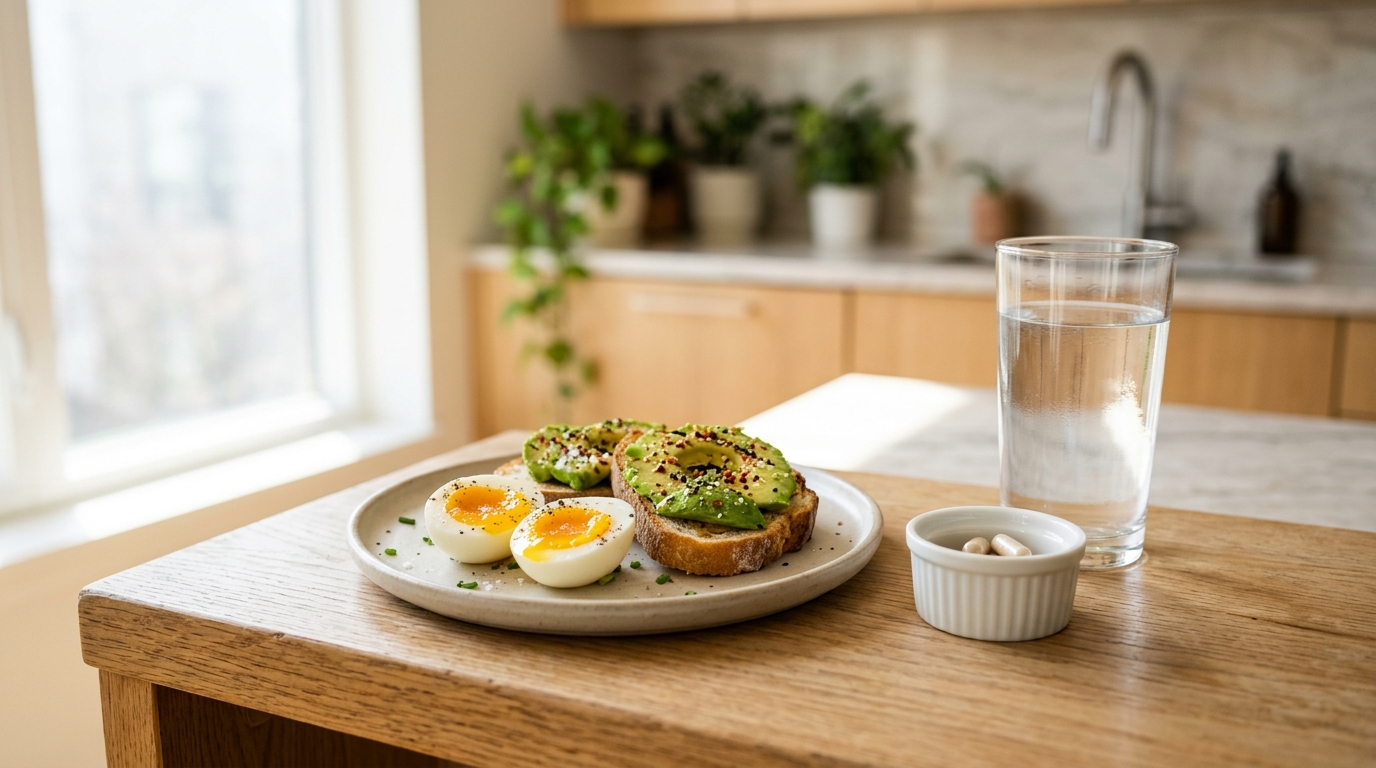
Figure 2: Meal-Buffered Dosing — Taking 15–25 mg Chelated Zinc Mid-Meal With Whole Protein Prevents Gastric Irritation While Preserving Uptake
4. Safety Guardrails: Copper Depletion & When to Stop Immediately
Clinical Warning — Do Not Exceed 40 mg/Day Long-Term Without Copper
Per Cleveland Clinic and NIH toxicology criteria, taking 50 mg or more of zinc daily for longer than 4–6 weeks upregulates intestinal metallothionein, trapping dietary copper and causing copper-deficiency anemia, low neutrophils, and peripheral neuropathy. If taking 30 mg/day for 2+ months under physician guidance, use a formula with 1–2 mg copper. Seek prompt care if severe vomiting, black stools, or tingling limbs occur.
5. Frequently Asked Questions: Zinc Nausea & Empty Stomach Rules
Q1. Why does zinc make me nauseous or throw up within 15 minutes?
Unbuffered zinc salts dissolve rapidly in fasting stomach acid and release concentrated Zn2+ ions directly onto the gastric lining. That chemical irritation stimulates enterochromaffin cells to release serotonin, triggering vagus-nerve nausea and vomiting—especially with doses above 25–30 mg or zinc sulfate tablets.
Q2. Can you ever take zinc on an empty stomach safely?
Only low-dose chelated forms (10–15 mg zinc bisglycinate) are tolerated by some adults before meals; standard tablets, multivitamins, and cold lozenges almost always require food. Taking chelated zinc mid-meal with protein prevents stomach upset while keeping absorption clinically strong.
Q3. How long does zinc nausea last if I already took it fasted?
Acute fasted zinc nausea typically peaks at 15–30 minutes and subsides within 60–90 minutes once the pill passes into the duodenum. Eating a small low-phytate protein snack (such as plain yogurt, crackers with turkey, or a boiled egg) and sipping water helps buffer remaining free ions quickly.
Q4. Do zinc lozenges for colds cause worse stomach upset than capsules?
Yes. High-dose zinc gluconate or zinc acetate lozenges deliver 13–23 mg every 2–3 hours (up to 75–90 mg/day short term), concentrating dissolved ionic zinc in swallowed saliva. Always dissolve lozenges after snacks rather than on an empty morning stomach, and limit cold-course dosing to 5–7 days.
Related Clinical Protocols & Evidence Guides
Medical Disclaimer: This runbook is authored by the WellnessHub Editorial & Clinical Research Team for educational guidance and does not substitute for medical diagnosis. Always consult your physician or pharmacist before adjusting high-dose zinc, copper, or prescription antibiotic schedules. Read our Medical Disclaimer & Privacy Policy.