

Editor’s 1-Minute Briefing
2026 Clinical Metabolic Nutrition & Meal-Prep Runbook
Insulin Resistance Diet Plan and Cookbook After 40: Key Clinical Targets
1. Core Macro Formula: A clinically effective insulin resistance diet plan and cookbook pairs 30–35 g of protein per meal, 30–38 g of daily dietary fiber, and low-glycemic carbohydrates (GL ≤10 per serving) to flatten post-meal glucose spikes by 30%–45%.
2. Measurable Reversal Window: Per NIH NIDDK and American Diabetes Association (ADA) trials, cutting refined sugars and trimming 5%–7% body weight drops fasting insulin and HOMA-IR measurably within 8 to 12 weeks.
3. Zero-Guesswork Cookbook Strategy: Batch-cook 4 base proteins + 3 high-fiber sides on Sunday so every weekday plate hits target macros in under 10 minutes—no bland “diet food” required.
If your fasting glucose looks “normal” at 94 mg/dL yet belly fat keeps creeping upward and 3:00 PM brain fog hits after every sandwich, elevated fasting insulin is usually the hidden driver. Standard low-fat calorie counting fails after age 40 because frequent refined snacks keep insulin locked high all day, blocking fat oxidation.
Clinical metabolic research indexed on PubMed and Harvard Health Publishing confirms that a structured insulin resistance diet plan and cookbook works by restoring skeletal muscle GLUT4 sensitivity rather than starving you. Pair these meals with your lab benchmarks in our fasting insulin and HOMA-IR longevity range guide to track real progress.
1. 7-Day Insulin Resistance Diet Plan: Clinical Macro & Meal Matrix
The goal of an insulin resistance diet plan is steady glycemic curves—keeping postprandial glucose rises under 30 mg/dL while protecting lean muscle mass. Each day below delivers roughly 100–125 g protein, 32–38 g fiber, and 90–130 g slow-digesting net carbs across three structured meals with zero grazing between them.
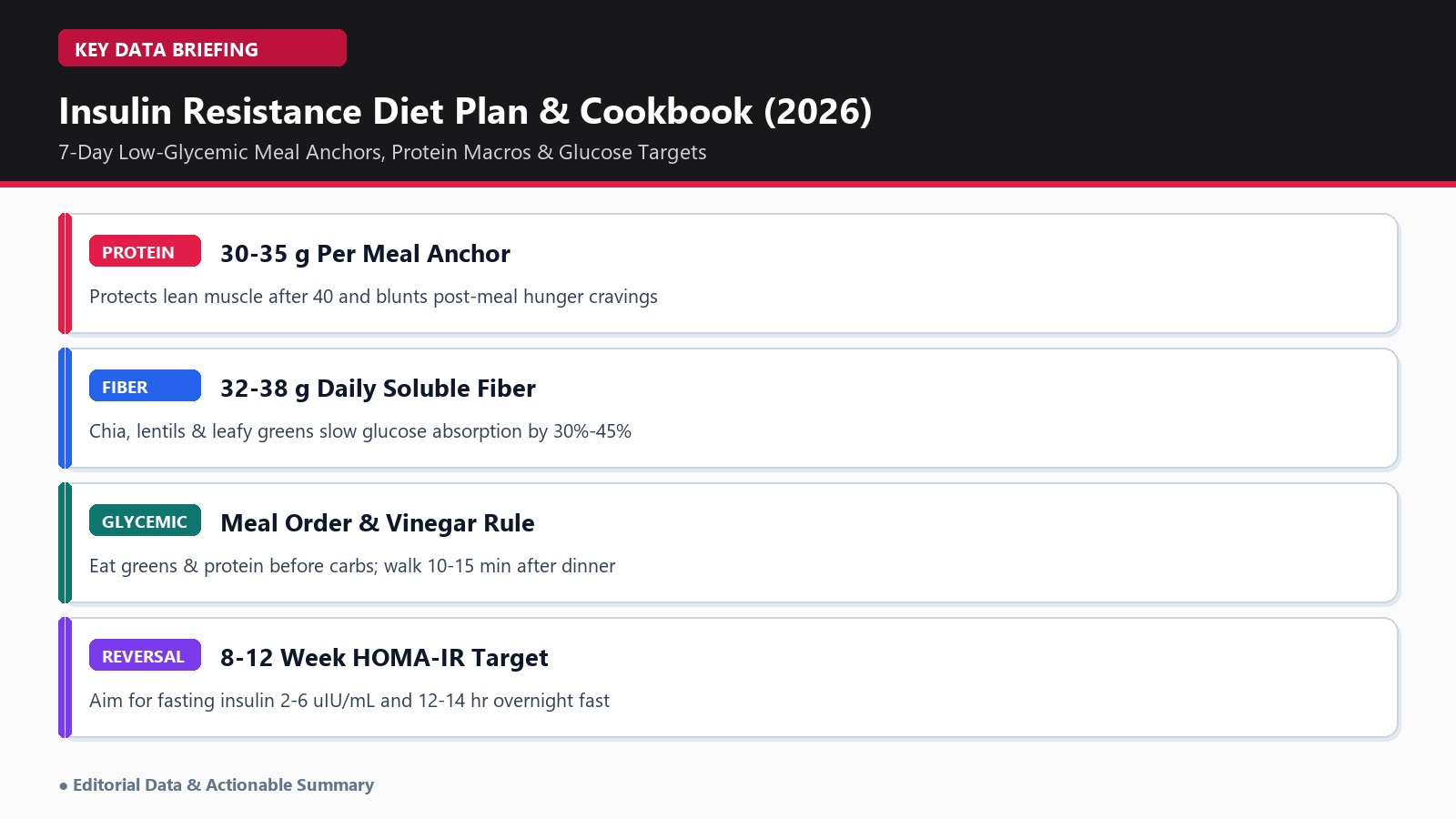
Figure 1: Clinical Blueprint — Daily Macro Anchors, Meal Sequencing, and Glycemic Load Limits for Reversing Insulin Resistance
2. Quick Cookbook Blueprint: 6 Fast Low-Glycemic Recipes Under 15 Minutes
Buying a thick insulin resistance cookbook often collects dust if every dinner needs 18 specialty ingredients. Real adherence after 40 comes from repeatable 10-to-15-minute modular recipes built around soluble fiber, fermented acidity, and resistant starch.
RECIPE 01 — 5-Minute Chia-Skyr Metabolic Breakfast Bowl (34 g Protein | 11 g Fiber)
Whisk 200 g plain Icelandic skyr with 2 tbsp chia seeds, 1 tbsp ground flaxseed, 1/2 tsp Ceylon cinnamon, and 60 g blackberries. Soluble mucilage fiber slows gastric emptying, holding morning glucose flat for 4–5 hours without mid-morning crashes.
RECIPE 02 — Vinegar-Dressed Lentil & Salmon Power Salad (38 g Protein | 12 g Fiber)
Toss 3 cups baby arugula, 1/2 cup cooked black beluga lentils, 1 tbsp extra virgin olive oil, and 1 tbsp raw apple cider vinegar, then top with 5 oz flaked salmon. Acetic acid inhibits salivary and intestinal amylase briefly, cutting post-lunch glucose peaks by roughly 20%–30%.
RECIPE 03 — Chilled Resistant-Starch Herb Chicken & Cauliflower Rice Skillet (36 g Protein | 8 g Fiber)
Sauté riced cauliflower in olive oil with turmeric and garlic for 6 minutes, fold in 6 oz sliced grilled chicken and 1/3 cup chilled-and-reheated basmati rice. Cooling cooked starch overnight forms type-3 resistant starch that feeds butyrate-producing gut microbes instead of spiking insulin.
RECIPE 04 — 12-Minute Sheet-Pan Garlic Shrimp, Peppers & Black Beans (33 g Protein | 10 g Fiber)
Roast 6 oz wild shrimp, sliced red bell peppers, and 1/2 cup rinsed black beans at 425°F (218°C) for 10 minutes with cumin and lime zest. Finish with 2 tbsp avocado crema for a high-satiety dinner under 12 g net glycemic load.
3. Insulin-Spiking Traps vs. Smart Cookbook Swaps (Glycemic Load Table)
Many “heart-healthy” packaged foods hide massive glycemic loads that keep pancreatic beta cells working overtime. Compare standard pantry staples against verified low-insulin swaps below—and if metabolic plateaus persist despite clean eating, review our weight loss plateau metabolic reset guide.
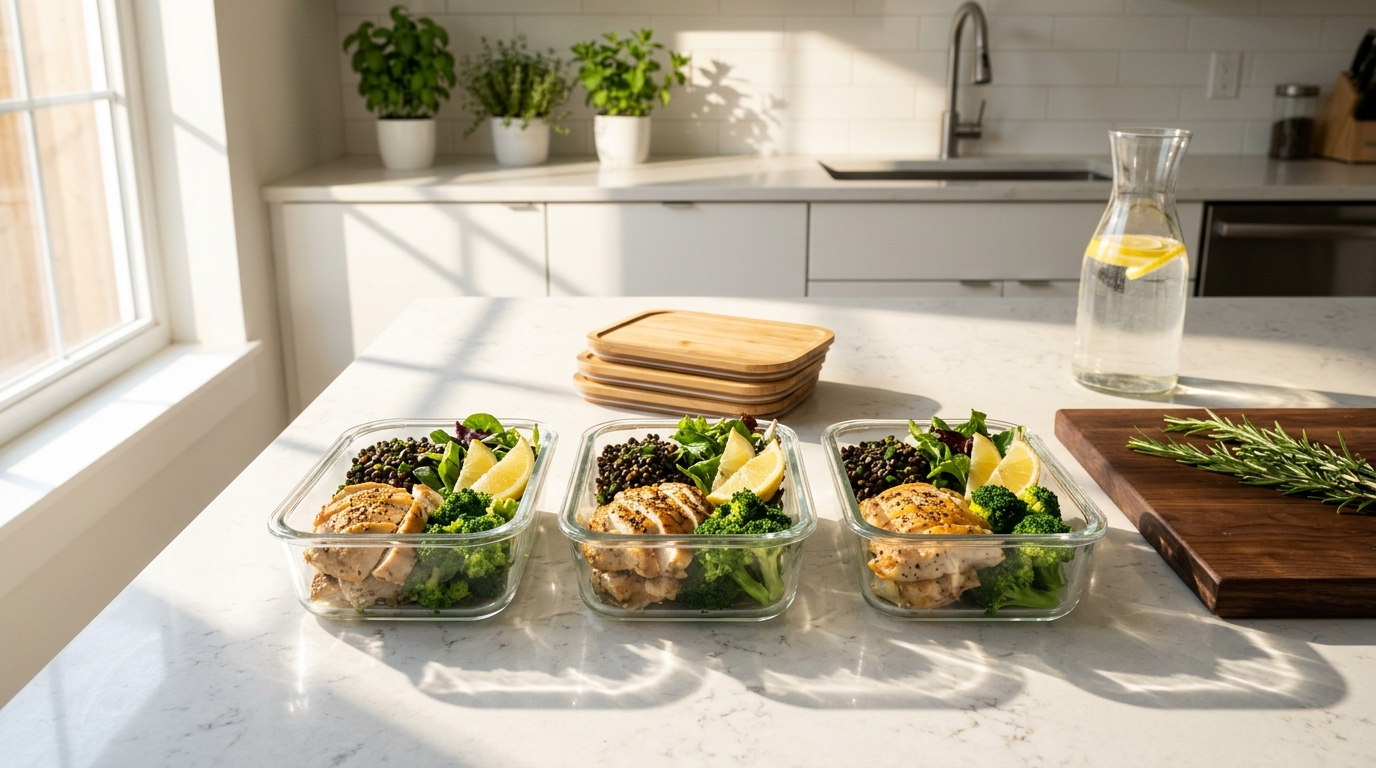
Figure 2: Sunday Batch-Prep System — Pre-Portioned Protein, Non-Starchy Vegetables, and Legumes Prevent Weekday Blood Sugar Spikes
4. How to Reverse Insulin Resistance With Timing, Movement & Safety Rules
What you eat matters most, yet how you sequence meals and move afterward can cut glucose excursions another 30%–40%—especially when combined with targeted metabolic support such as berberine metabolic dosing protocols.
3 Non-Negotiable Execution Rules for Faster HOMA-IR Drops
1. Eat Fiber & Protein Before Starch: Finish your salad and salmon before touching quinoa or berries.
2. Walk 10–15 Minutes Post-Meal: Gentle walking pulls glucose into muscle via insulin-independent GLUT4 channels.
3. Keep a 12–14 Hour Overnight Fast: Finish dinner 3 hours before bed so overnight basal insulin drops cleanly.
Clinical Warning — Medication & Hypoglycemia Guardrails
Per Cleveland Clinic endocrinology guidance, if you take sulfonylureas, mealtime insulin, SGLT2 inhibitors, or GLP-1 agonists, abruptly cutting carbohydrates by 50% or more can trigger hypoglycemia or dehydration. Monitor fasting and 2-hour post-meal blood glucose closely and coordinate dose adjustments with your prescribing physician.
5. Frequently Asked Questions: Insulin Resistance Diet Plan & Cookbook
Q1. How long does an insulin resistance diet plan take to reverse high insulin?
Post-meal glucose spikes flatten within 3 to 7 days of switching to a protein-first, low-glycemic meal order. Meaningful drops in fasting insulin and HOMA-IR (typically 20%–35%) appear on follow-up blood labs after 8 to 12 weeks of consistent adherence paired with resistance or post-meal walking.
Q2. What should I look for in a reliable insulin resistance cookbook?
Verify that each main recipe lists 25–35 g protein, at least 7–10 g dietary fiber, minimal added sugars (≤3 g per serving), and whole-food fats like olive oil or avocado rather than ultra-processed “keto bars” packed with maltitol and palm oil.
Q3. Do I have to eat zero carbs or strict keto to lose weight with insulin resistance?
No. While strict ketogenic diets work short term for some, clinical trials show 90–130 g/day of slow-release fiber-rich carbs (lentils, chickpeas, berries, non-starchy vegetables, cooled quinoa) paired with high protein improves insulin sensitivity just as effectively over 6–12 months with better thyroid and gut microbiome support.
Q4. Which blood tests prove my insulin resistance diet is working?
Ask your clinician for fasting insulin (optimal longevity range 2–6 μIU/mL), fasting glucose to calculate HOMA-IR (<1.5 optimal), HbA1c (<5.4%), and your triglyceride-to-HDL ratio (<1.5 in mg/dL) every 12 weeks.
Related Clinical Protocols & Evidence Guides
Medical Disclaimer: This clinical meal guide is authored by the WellnessHub Editorial & Clinical Research Team for educational purposes and does not replace individualized medical nutrition therapy. Consult your physician before changing carbohydrate intake if you take prescription diabetes medications. Read our Medical Disclaimer & Privacy Policy.